

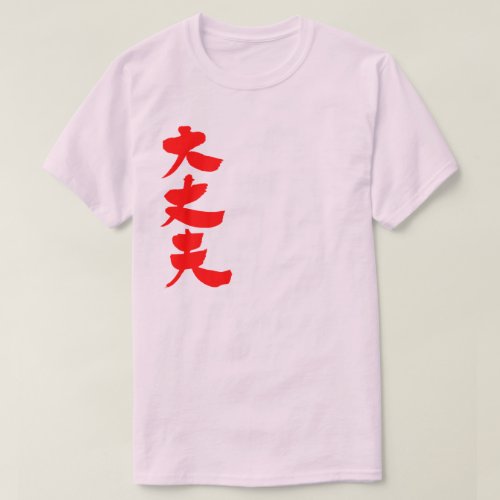
Originally, it is used for various purposes.
1. It’s strong and solid.
2. There is no mistake and it is a certain situation.
3. When confirming the meaning of necessity / unnecessary.
4. If there is no problem.
5. If you decline gently.
It is well established as a convenient word for Japanese people who are not good at saying NO.
Japanese says Dai-jo-bu.
1. It’s strong and solid.
2. There is no mistake and it is a certain situation.
3. When confirming the meaning of necessity / unnecessary.
4. If there is no problem.
5. If you decline gently.
It is well established as a convenient word for Japanese people who are not good at saying NO.
Japanese says Dai-jo-bu.
Über dieses T-Shirt
Ein Hemd ohne Kragen. Es heißt T-Shirt, weil es mit ausgebreiteten Armen wie ein „T“ aussieht. Wie die meisten wissen, ist es ein absolutes Standardkleidungsstück, das wohl jeder schon einmal getragen hat. Sie haben die Wahl zwischen Herren- und Damen-T-Shirts mit langen Ärmeln sowie Hoodies. Größe und Farbe sind frei wählbar.
・Unisex-, Herren-, Damen- und Kinder-T-Shirts
・Verschiedene Größen
・Große Farbauswahl
・100 % Baumwolle (Mischgewebe vom Hersteller)
・Doppelt genähte Säume an Ärmeln und Saum
・Maschinenwäsche kalt
・Unisex-, Herren-, Damen- und Kinder-T-Shirts
・Verschiedene Größen
・Große Farbauswahl
・100 % Baumwolle (Mischgewebe vom Hersteller)
・Doppelt genähte Säume an Ärmeln und Saum
・Maschinenwäsche kalt
Verwandte Designartikel
![[Kanji] Japanese katydid T-Shirt](https://www.zangyo-ninja.com/wp-content/uploads/kanji_japanese_katydid_t_shirt_uz81u_1024-150x150.jpg)


![[Kanji] Zen-T-Shirts](https://www.zangyo-ninja.com/wp-content/uploads/kanji_zen_t_shirt-white_jy9v0_1024-150x150.jpg)

Ähnliche Werke (Testversion im JPG-Format ist KOSTENLOS!)

KOKORO Dankbarkeit – Dankeschön in 44 Sprachen als Herzformen
Variable Erreicht etwa 5 Milliarden Menschen. Dies ist eine herzförmige typografische Darstellung des Wortes „Danke“…
KOKORO Dankbarkeit – Danke & Herz in verschiedenen Sprachen als ♡-Formen
Variable Dieses Werk enthält für jede Sprache ein Herz. In 44 Sprachen lautet das Wort „Danke“ …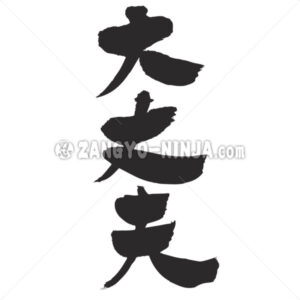
All right in Kanji
Variable Originally, it is used for various purposes. 1. It's strong and solid. 2. There is…
KOKORO Dankbarkeit – Danke und Herzen in verschiedenen Sprachen als ♡-Formen
Variable Dieser Stil stammt aus der Manga-Kultur. Wenn man genau hinsieht, kann man die… erkennen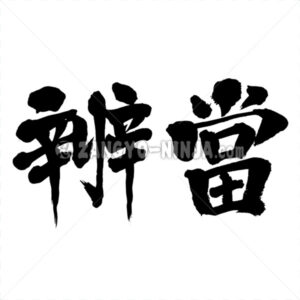
Bento in Kanji als alte Schriftzeichenform
Variable Im Allgemeinen handelt es sich um eine Mahlzeit für unterwegs, bestehend aus Reis und Beilagen in einem Behälter…
Danke in Hiragana und 4 Sprachen, als ob Liebe geformt wäre
Variable „Danke“ wird in Englisch, Spanisch, Französisch, Hindi und Japanisch (Hiragana) als … ausgedrückt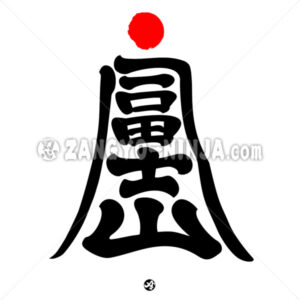
Berg Fuji
Variable Der Berg Fuji ist der höchste Berg Japans. Der höchste Punkt des Berges Fuji ist der Kengamine…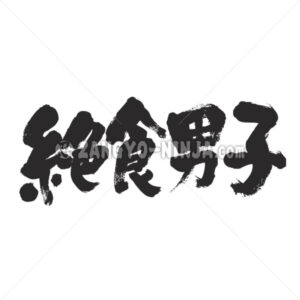
Hungerjunge als geprägtes Wort in Kanji
Variable Beschreibung des Begriffs „Hungerjunge“ als neueres japanisches Wort: Ein Mann, der kein Interesse hat…