

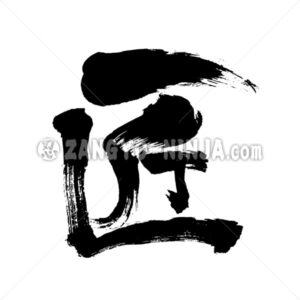
Description for Artisan A person whose job is to create works and buildings using hand techniques and tools. Techniques applied to workpieces and buildings. design. Preference. Technique to create beautiful things. The method that it found through thinking. In Japanese, it’s said Takumi.
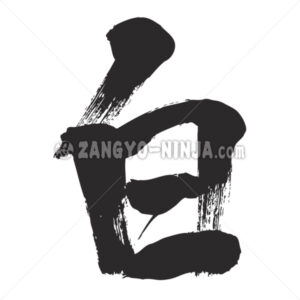
1. The name of the color. A color that can be felt when all rays of the sun are reflected. Snowy color. 2. There is nothing written in it. Also, nothing printed on it. Blank. 3. It is recognized that there is no crime fact. Also that person. innocence. Not guilty. Japan call “Shiro” … Read More
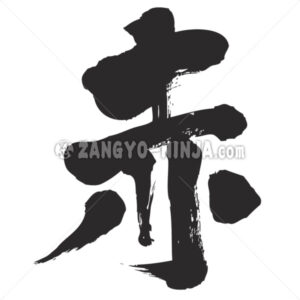
1. Frische, blutrote Farbe, eine der drei Primärfarben. Darüber hinaus ist es ein Oberbegriff für Farben wie Karmesinrot, Bernstein, Tee und Rosa, die zur Farbfamilie gehören. 2. Korrekturlesen und Beschriften von Buchstaben und Symbolen. 3. Kommunismus. Rot als Symbol des Kommunismus. 4. Es ist harmlos. In Japan heißt es „Aka“.
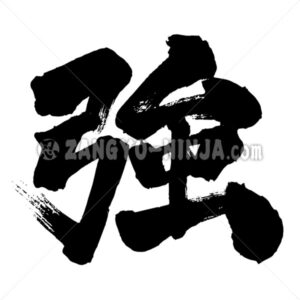
1. Be strong. Also, something strong. 2. For nouns representing quantities, etc., it represents that the numbers are rounded off. Japanese says “Kyo”, “Tsuyo”.
Fish seasoned with vinegar and salt mixed with fish meat and vegetables. Also, vinegared rice is served with fish and shellfish meat and other ingredients. There are many varieties.

Description for Iron One of the iron group elements. The second most abundant element on Earth after aluminum. Pure iron is silvery-white with a lustrous sheen, highly ductile and malleable, and exhibits ferromagnetism. It rusts readily in air. Its excellent ductility and malleability, combined with carbon-containing steel forms, make it a widely used basic … Read More
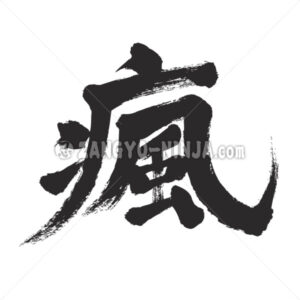
Pain in head. It appears as a symptom of various diseases. Turn, worry. Heartache. Japanese calls Fu or Tsu as old style.
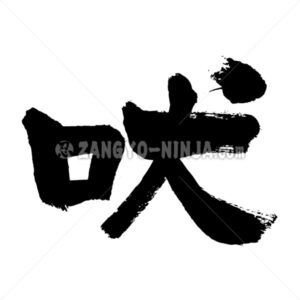
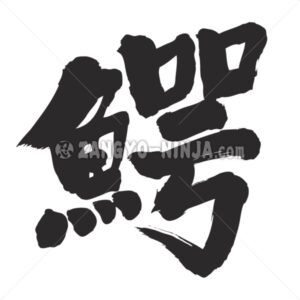
1. Beasts cry out loud. 2. The wind and waves make a loud noise. 3. Speak out loud. 4. Make a loud voice to get enthusiastic. Japanese says “Ho(e-ru)”
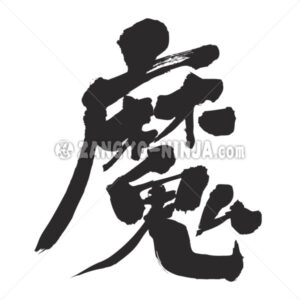
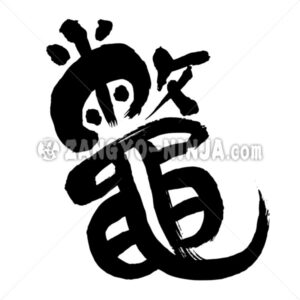
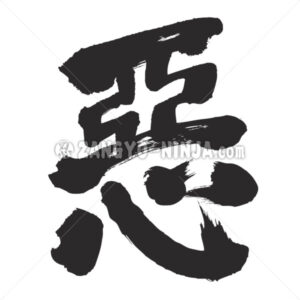
1. In Buddhism, things that get away in the way of teaching and hindering training. The evil god Tenma, the phenomenon that occurs inside the mind, etc. 2. God who causes harm to people. In addition, working of that creepy power. 3. A person who adheres to something so unusually. Japanese says “Ma”.
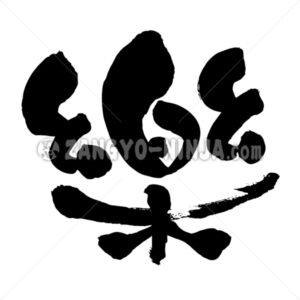
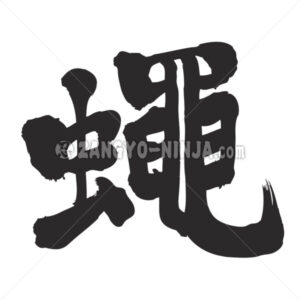
Flies are said to inhabit about 3000 species in Japan. It is an insect that completely metabolizes, and is said to become an adult in about two weeks after returning from an egg. Japanese says Hae.
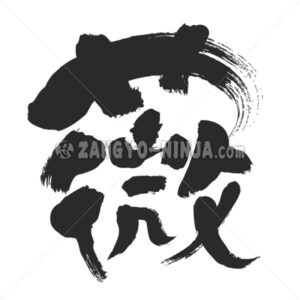
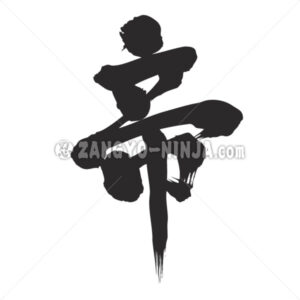
Japanese says “Mikado”, “Tei” and “Tai” by one letter. 1. The best ruler of the world. 2. Heavenly god.
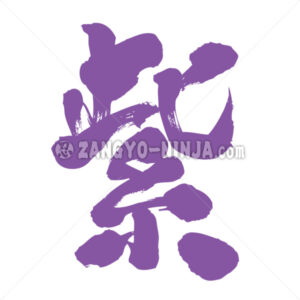
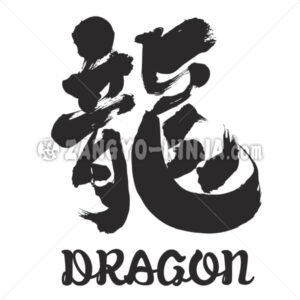
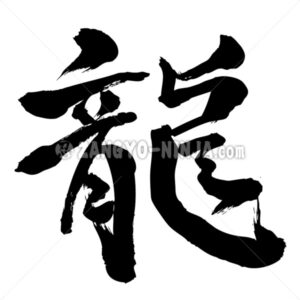
Description for Dragon A legendary creature, usually depicted as long and snake-like, with many claws, common in several East Asian cultures. A large snake-like monster with the eyes of a hare, the horns of a stag, and the claws of a tiger; known for its benevolent behavior in ancient Oriental mythology. Also, the nickname … Read More
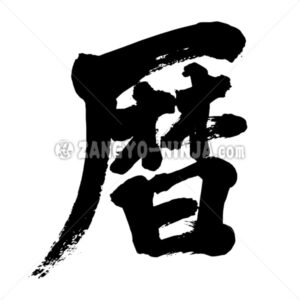
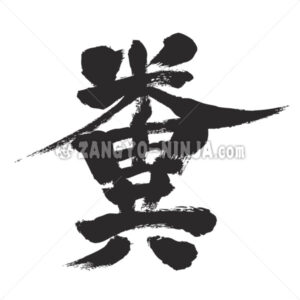
stool,dung,dropping,droppings,feces, excrement. a stupid foolish person. obscene terms for feces. fecal matter of animals. Japanese says Kuso, Fun, Baba.
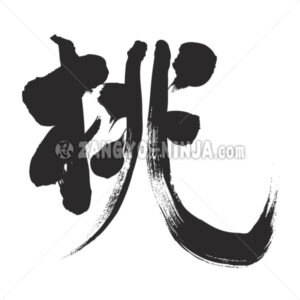
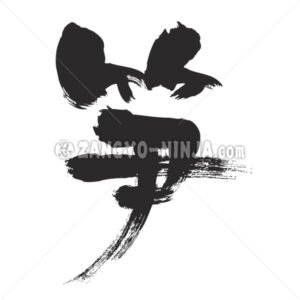
A young bud from the rhizome of bamboo in early summer. Several times it is covered with leather, growing grows in a few days while leaving the skin off. It is edible while it is soft. Japanese says Takenoko.
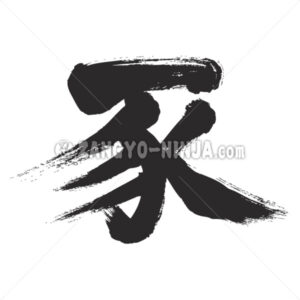
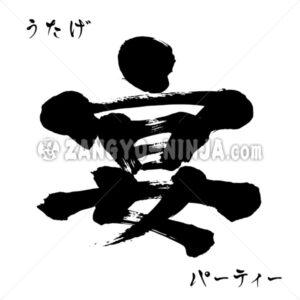
Description for Party To host a banquet with food and drink, enjoying entertainment such as song and dance. Also, to entertain guests. It’s said Utaga and En, in Japanese. Explanation of this calligraphy: The top row is in hiragana, the middle row in kanji, and the bottom row in katakana. The hiragana and katakana … Read More
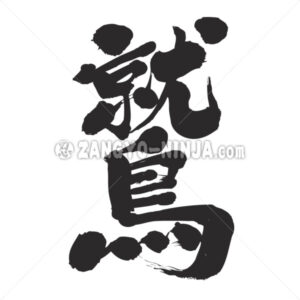
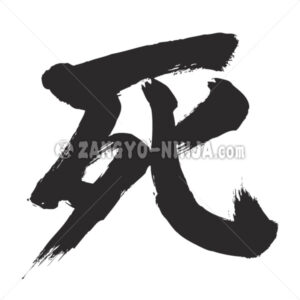
1. the event of dying or departure from life. 2. the personification of death. 3. the permanent end of all life functions in an organism or part of an organism. 4. the time at which life ends. japanese says Shi.