

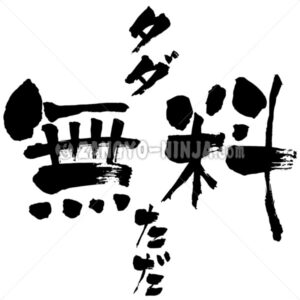
There is no price for goods or services. It’s Free written vertical in Japanese Katakana. Free written horizon in Japanese Kanji. Free written vertical in Japanese Hiragana. Hiragana and katakana are colloquial translations of Kanji, so the meaning may not be understood depending on what is written. Japanese called “tada” in Japanese katakana and … Read More
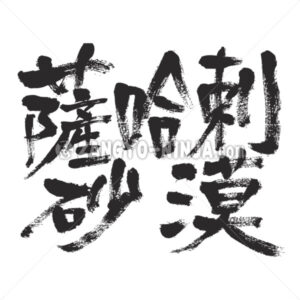
Die Sahara ist die größte Wüste der Welt und erstreckt sich über den nördlichen Teil des afrikanischen Kontinents. Ihr Name bedeutet im Arabischen „Wildnis“. Sie bedeckt etwa ein Drittel der Gesamtfläche Afrikas. Bis auf einige Dünen besteht sie größtenteils aus Felswüste und ist reich an Bodenschätzen wie Erdöl. … Weiterlesen
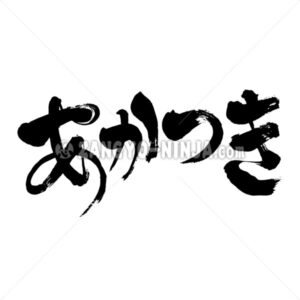

Being bullied or teased by half a joke. Unlike being bullied, treating the other person with love. Be careful, as it can be bullied if it goes too far. Japanese said “I ji ra re ta i”.
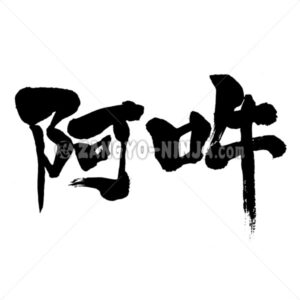
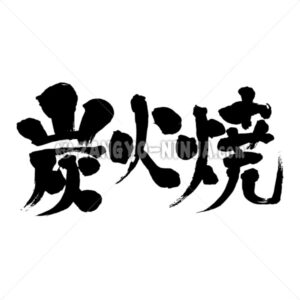
A dish in which the ingredients are grilled over an open flame using charcoal fire that was created using charcoal as fuel. Charcoal fire emits far infrared rays four times as much as gas, and radiant heat directly burns ingredients. In the case of gas containing hydrogen, it generates water vapor. Charcoal, on the … Read More
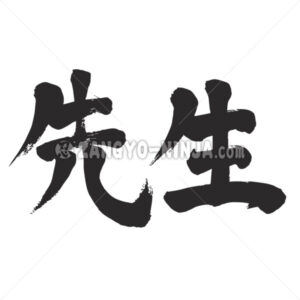
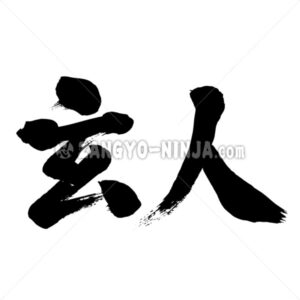
Description for professional A person who is proficient in arts and crafts. A person who specializes in one thing. Women in the restaurant, bar, or nightclub business, such as geisha and hostess. Its said “Kurou to” and “Kuro to”, in Japanese.

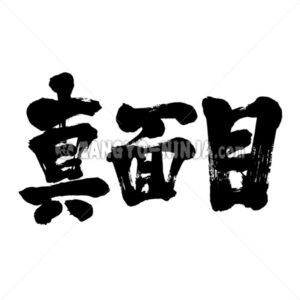
concerned with work or important matters rather than play or trivialities. Have a serious look. Be serious. It should be full of heart and no decoration. Japanese calls “Ma ji me”.
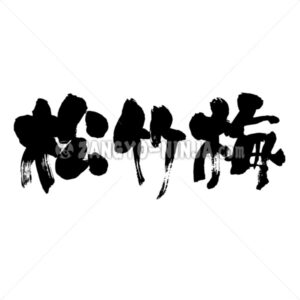
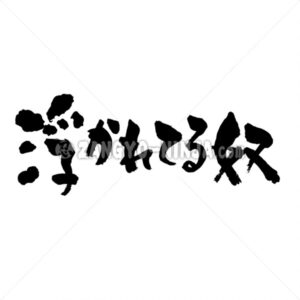
Someone who is cheerful. A person who is happy and excited. Someone who is fascinated by the fun. Japanese says “U ka re te i ru yatsu”.
Eine Farbe mit metallisch glänzender Oberfläche, die sich deutlich von normaler Oberfläche unterscheidet. Sie wird häufig bei Haushaltsgeräten und Verpackungsdesign eingesetzt. Bei Autolackierungen sieht man den Farbton und die Textur; es handelt sich um ein sogenanntes Glanzmaterial, das hauptsächlich durch die Beimischung von Aluminiumpulver entsteht. … Weiterlesen
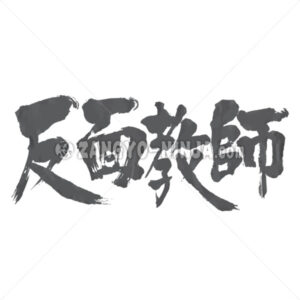
1. The front and back of an object. The outside and inside of the matter. Also, it must be in a front-to-back relationship. Positions and positions conflict with each other. 2. There is a difference between the outside and the inside. The difference between what you say and do in public and what you … Read More
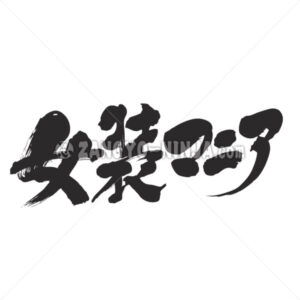
Crossdressing generally refers to men wearing women’s clothing (including make-up and hairstyles). In this case, it refers to a person who is good at dressing up as a woman and is absorbed in it. Japanese calls Jo-so-ma-ni-a.
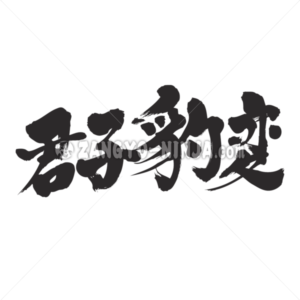
Nowadays, it is used in a negative way, saying, “A person who has a good point will immediately change his attitude and abandon his principles and ideas.” However, originally, it is a positive four-character idiom that “a good person immediately corrects his mistakes and quickly goes for the better.” Japanese calls Kun-shi-hyo-hen.
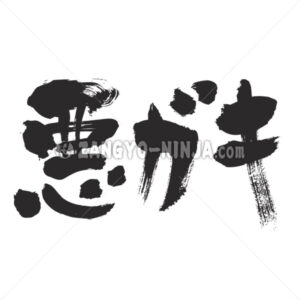
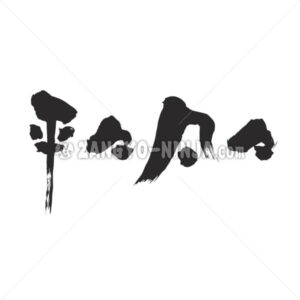
Very common. It is not average and there is nothing particularly good or unusual. Japanese says “Hei hei bon bon”. A word that strengthens “平凡(ordinary)” as four character idiom.
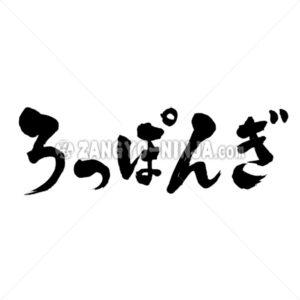
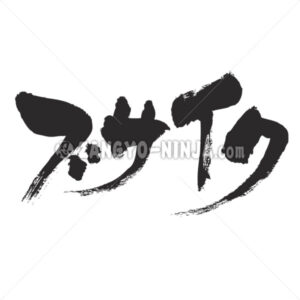
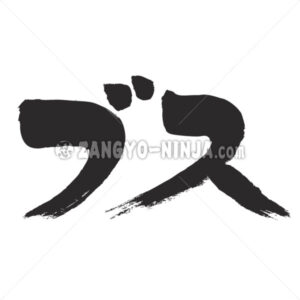
It refers to the appearance and appearance of ugliness and inferiority. Originally, he said that the work (crafts) was poor. In turn, it refers to things that are generally unsightly or unfavorable. In addition to that, it is also included in slander. Japanese said “Busaiku” in Katakana.
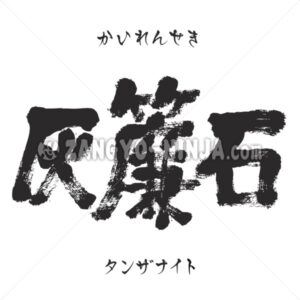
What is Tanzanite? Tanzanite was first discovered in the Merelani Mine located in the Arusha region of Tanzania, East Africa. It is a stone formed when vanadium, a type of mineral, entered the rock through some process. Its most distinctive feature is its pleochroism, appearing blue to purple. This phenomenon is extremely rare, meaning … Read More
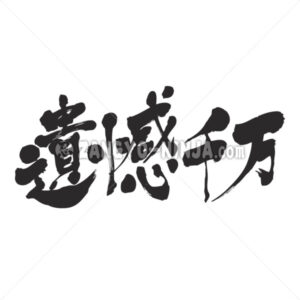
Things don’t come to my mind, and I’m sorry to be dying. It’s very regrettable. Japanese says “i kan sen ban”.
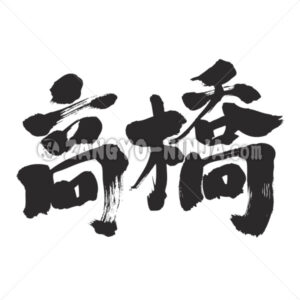
Hello, Mr. Takahashi. This is an explanation of the origin of the surname Takahashi, which is shared by your ancestors and friends. The surname Takahashi is derived from the place name “Takahashi” in various parts of the country. “Takahashi” means “the edge of a hill” or “a high bridge”, and it was named as … Read More