

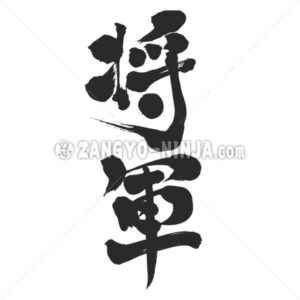
Dies sind vertikal geschriebene Kanji. Ihre Bedeutungen lassen sich im Allgemeinen in zwei Hauptkategorien unterteilen: 1. Eine Person, die für die Führung oder das Kommando über eine Armee verantwortlich ist. Dies ist eine der offiziellen Positionen und Titel für das Kommando über eine große Armee. Es ist seit Langem einer der Titel von Militärkommandanten in Ostasien. … Weiterlesen
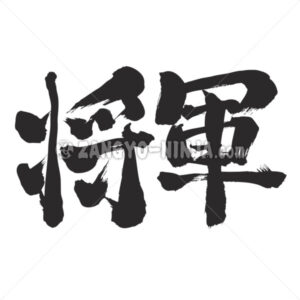
1. a general officer of the highest rank. 2. a hereditary military dictator of Japan. Japanese says Sho-gun.
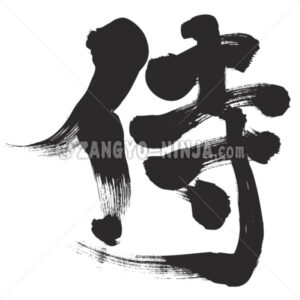
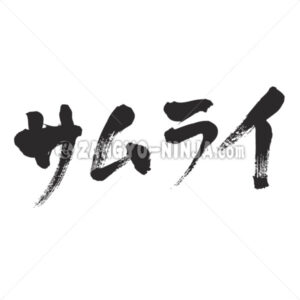
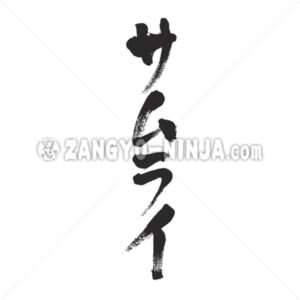
1. Serve near the side. Be on the side of your superiors. 2. After the Heian period, a family member (Kenin) who served the prince, customs, lord, temple, company, and institute and was in charge of housework. 3. Abbreviation for “Samurai-dokoro”. 4. A place where the samurai banqueted in the south of Seiryoden. 5. … Read More
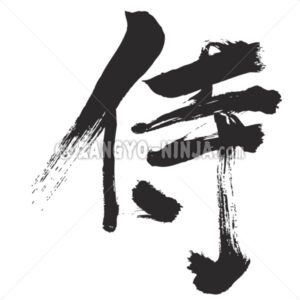
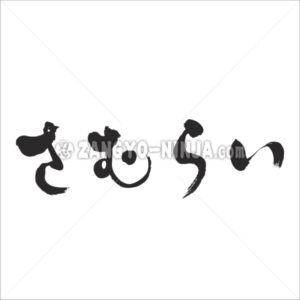
In feudal Japan, a soldier who served a daimyo. a Japanese warrior who was a member of the feudal military aristocracy.