

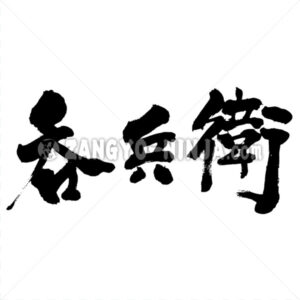
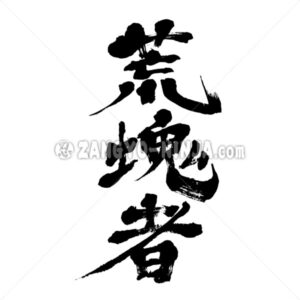
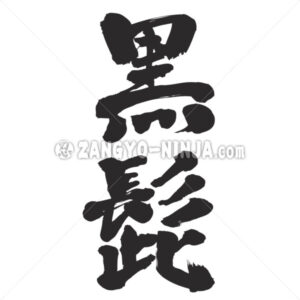
A word that describes a person’s character and predispositions in Kanji. A person who has a rough temperament and is violent in behavior. Because it is a classical expression, it is not used in modern colloquial language, but it is rarely seen in games and anime with a medieval worldview. Although this word has … Read More
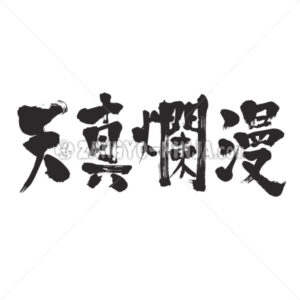
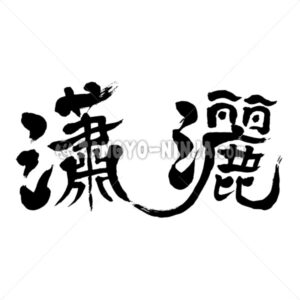
Explanation of simple and innocent An expression that means innocent and unpretentious. The innocent “天真” means the nature of nature. “爛漫” means shining. The origin of the word is said to be the expression originally used to describe a flower painting as a “no-frills fine work”. Basically, it is used as a compliment with … Read More
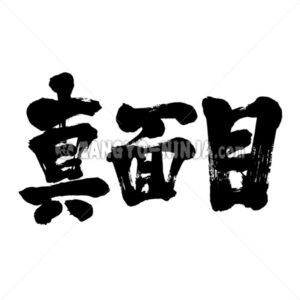
concerned with work or important matters rather than play or trivialities. Have a serious look. Be serious. It should be full of heart and no decoration. Japanese calls “Ma ji me”.
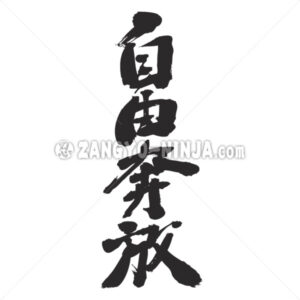
Acting with your own mind, without being bound by social rules and conventions. Don’t follow the rule. Japan call “Ji yu hon po”. There are both positive and negative nuances. Positive: An attitude of acting on one’s own volition, unrestrained by anything. Negative: Acting selfishly without consideration for others. The first two letters are … Read More
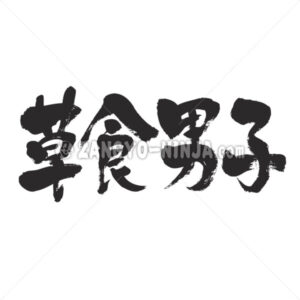
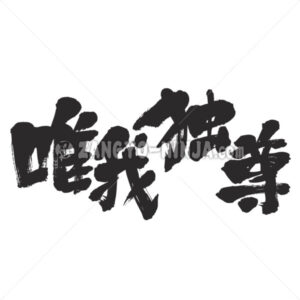
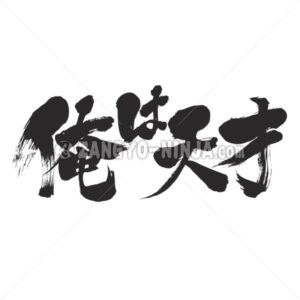
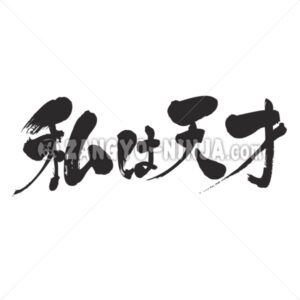
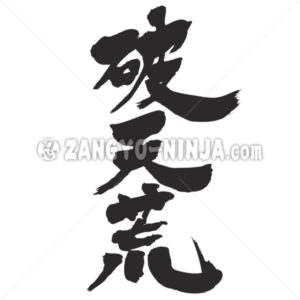
Doing things that no one has ever done. Breaking through unprecedented boundaries. Many Japanese people mistakenly think that they have a bold personality. In Japanese, It’s called “Ha Ten Ko”.
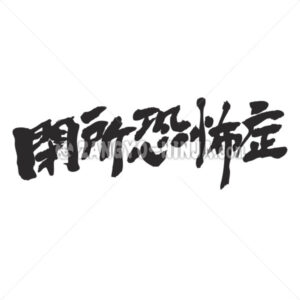
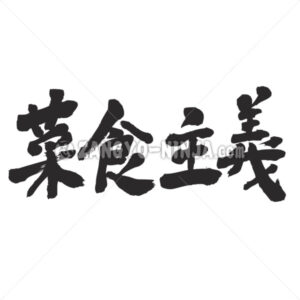
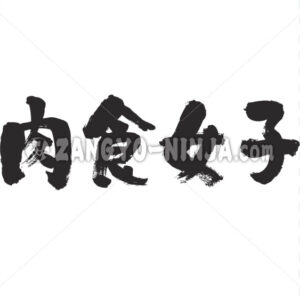
a diet excluding all meat and fish. The principle that it is desirable to limit all human food to plant food. Derived from a religious or unique nutritional position. This principle is called a vegetarian. In Buddhism, meat eating is prohibited in principle, and some Christians, like the Seventh Worship Day, are vegetarian, but … Read More
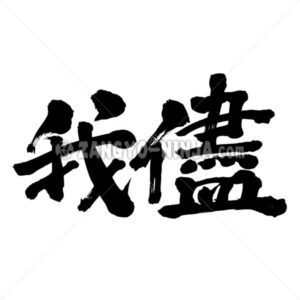
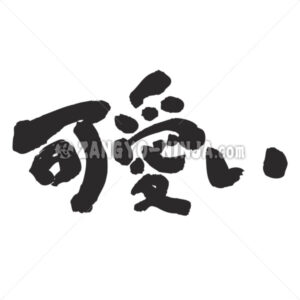
1. lovable especially in a childlike or naive way. 2. pleasing by delicacy or grace. 3. appealing to the emotions as well as the eye. Japanese said Kawaii
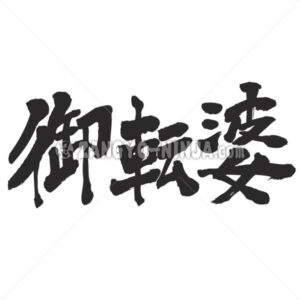
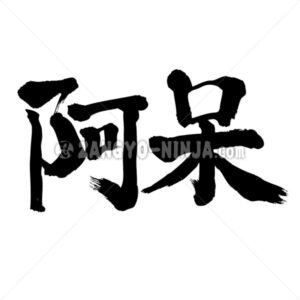
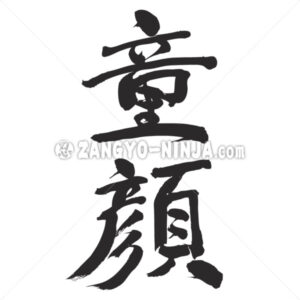
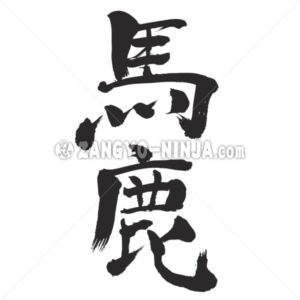
1. a person of subnormal intelligence. 2. a person who lacks good judgment. 3. the trait of acting stupidly or rashly. This is wrote by 馬(house) with 鹿(deer) in Japanese. Japanese says Ba-ka.
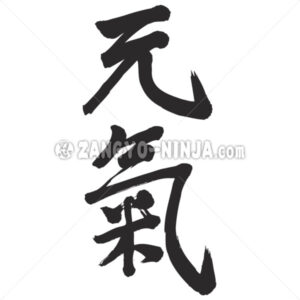
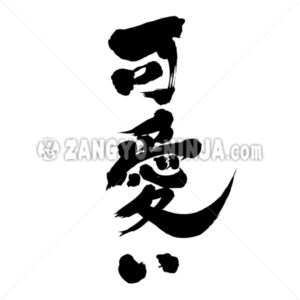
It’s means pleasing by delicacy or grace. And pleasant or pleasing or agreeable in nature or appearance. Japanese says Ka-Wai-i.