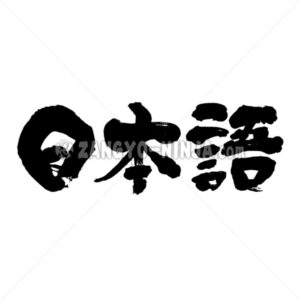
Japanese in Kanji - Zangyo-Ninja

Description for Japanese as nation language A language spoken by 120 million inhabitants of the Japanese archipelago. It is used almost as a single language in Japan. The Japanese vocabulary is divided into three types: Japanese, Chinese, and loanwords. The notation is very complicated, and sometimes Chinese characters, hiragana, katakana, etc. are mixed. The … Read More

Vektor
nicht bewertet $0.00$1,490.00 Lizenz auswählen
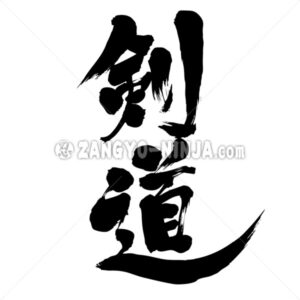
Kendo in Kanji - Zangyo-Ninja

A type of martial arts where competitors wearing armor face each other and compete for victory or defeat by hitting the part specified by bamboo swords. In the Edo period, it became a samurai table art, and further merged with Bushido to have a spiritual content, but entered the Meiji period and declined with … Read More
Vektor
nicht bewertet $0.00$1,490.00 Lizenz auswählen
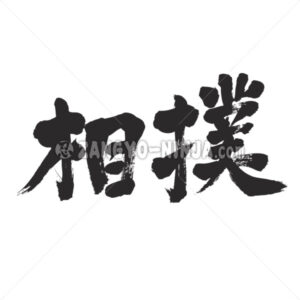
Sumo in Kanji - Zangyo-Ninja

A wrestling in which two players try on the ground and win the opponent if they defeat or move out of the ground. Japan has always been held in Japan and is considered a national sport. Or Sumo wrestler’s abbreviation.

Vektor
nicht bewertet $0.00$1,490.00 Lizenz auswählen
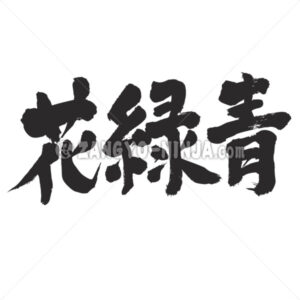
Hanarokusho color in Kanji - Zangyo-Ninja

Japanese calls Hana-Roku-Sho. This color is a representation of the traditional Japan name. HEX #00a381 R:0 G:163 B:129, C:100% M:0% Y:21% K:36%
Vektor
nicht bewertet $0.00$1,490.00 Lizenz auswählen
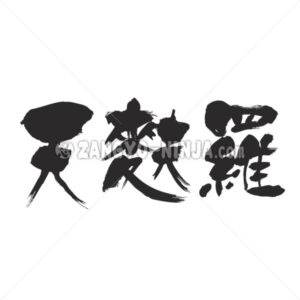
Tempura in Kanji - Zangyo-Ninja

Description for Tempura foods It is a Japanese dish in which ingredients such as seafood and vegetables are wrapped in a garment mainly made of wheat flour and fried in oil. Tempura is a fast food imported from Nanban (Westerner) Tokugawa Ieyasu is known to have been very careful about his health, and it … Read More

Vektor
nicht bewertet $0.00$1,490.00 Lizenz auswählen
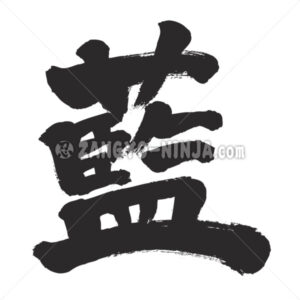
Indigo in Kanji - Zangyo-Ninja

Description for color of Indigo Since ancient times, leaves and stems have been used as indigo dyes, and seeds have been used in Chinese medicine for antipyretic and detoxifying. It was already transmitted to Japan through China during the Asuka period. Currently cultivated in Tokushima, Hiroshima, etc. A kind of dyeing material made from … Read More
Vektor
nicht bewertet $0.00$1,490.00 Lizenz auswählen
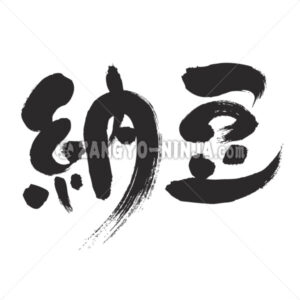
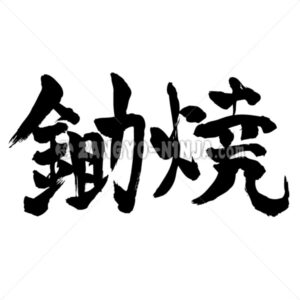
Natto in Kanji - Zangyo-Ninja

a food called fermented soybeans. Natto is sticky and it have long threads trailing from them. This food that is regarded as being good for health, but the Japanese people can also be divided into likes and dislikes. There are three main types of natto Itohiki (stringy) natto Itohiki natto is the first type … Read More
Vektor
nicht bewertet $0.00$1,490.00 Lizenz auswählen
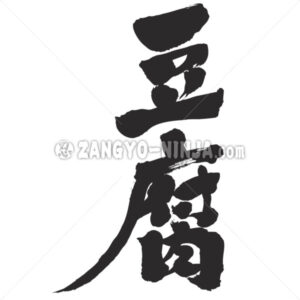
Tofu in Kanji - Zangyo-Ninja

Soymilk is made by crushing soybeans soaked in water and simmering them with a cloth to make soymilk, and then adding bittern to the bittern to harden it. One of the typical Japanese foods, it is a soft white food made by solidifying soybean protein. Depending on the manufacturing method, it can be divided … Read More

Vektor
nicht bewertet $0.00$1,490.00 Lizenz auswählen
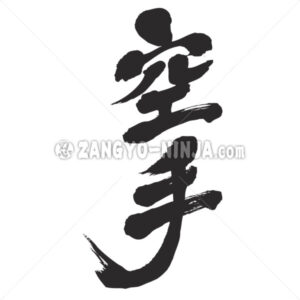
Karate vertically in Kanji - Zangyo-Ninja
Vektor
nicht bewertet $0.00$1,490.00 Lizenz auswählen
Ramen horizontal in Kanji - Zangyo-Ninja

Ramen ist ein Gericht, das aus dem Einfluss der chinesischen Nudelküche in Japan und deren Verschmelzung mit der japanischen Esskultur entstanden ist. Durch die Kombination der fünf Elemente Nudeln, Brühe, Sauce, Zutaten und Fett/Öl lassen sich unzählige Rezepte kreieren, und es existieren viele Variationen hinsichtlich Geschmack und Zubereitungsart, darunter auch solche mit Sojasauce … Weiterlesen
Vektor
nicht bewertet $0.00$1,490.00 Lizenz auswählen
Sukiyaki in Kanji - Zangyo-Ninja

Sukiyaki history One of the hot pot dishes. Beef is mainly used, but there are also chicken plows that use chicken, pork and other meats and fish and shellfish. There is no theory that the meaning of sukiyaki is that plow was used instead of a pot, but the use of used plow is … Read More

Vektor
nicht bewertet $0.00$1,490.00 Lizenz auswählen
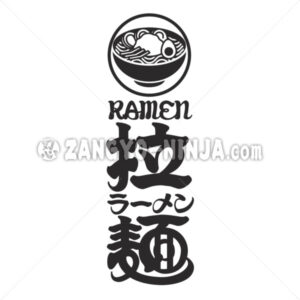
Ramen in Kanji und Katakana mit Wappen (Maru-yose-Schriftart) – Zangyo-Ninja

Japanische Ramen sind unglaublich vielfältig geworden. Angefangen mit Nudeln, die aus China als „chinesische Nudeln“ eingeführt wurden, veränderten die Menschen die Nudeln, die Suppe und die Toppings. Ramen erfreute sich schnell großer Beliebtheit und verbreitete sich in kürzester Zeit in ganz Japan. Beschreibung dieses Werkes: Eine Illustration von Ramen, die einem Familienwappen ähnelt, ist … Weiterlesen

Vektor
nicht bewertet $0.00$1,490.00 Lizenz auswählen