

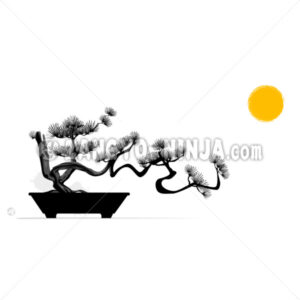
Dies ist eine Vektorgrafik, die jedoch im Stil der Tuschemalerei (Suiboku-Stil) gezeichnet ist. In Japan werden Mond und Sonne unterschiedlich dargestellt. In diesem Werk stellt der gelbe Kreis auf der rechten Seite den Mond dar. Ausländer zeichnen üblicherweise den gelben Kreis als Sonne, aber in Japan … Weiterlesen
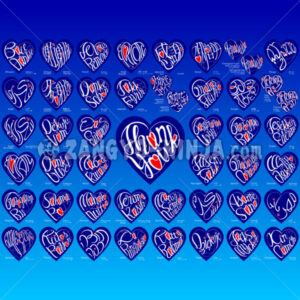
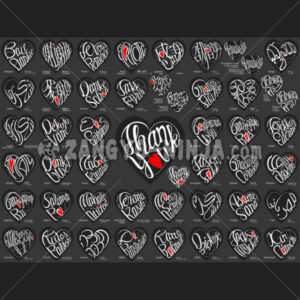
Dieses Werk enthält für jede Sprache ein Herz. In 44 Sprachen ist das Wort „Danke“ formell oder höflich, oder es drückt mehr Nachdruck aus als ein allgemeines „Danke“, wodurch es sich für Familie, Freunde und auch für weniger nahestehende Personen eignet. „Kokoro“ ist Japanisch für „心“, ein Wort, das … Weiterlesen

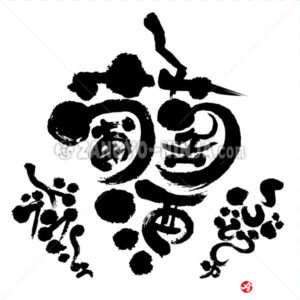
Wine is made from grapes. The shape of the grape is expressed through calligraphy. All of them read “Budoshu” and refer to grape wine, or wine in Japan. In this typographic work, the left side is written in Katakana, the center in kanji, and the right side in Hiragana, with wine written with a … Read More
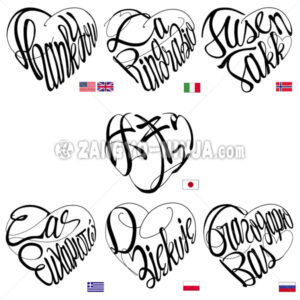
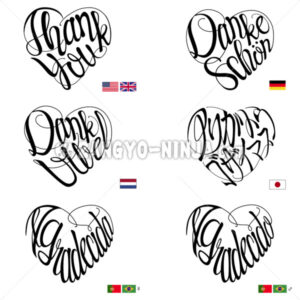
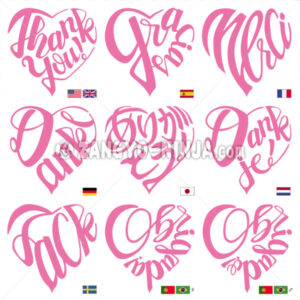
Dies ist eine typografische Arbeit, die das Gefühl von „Danke“ in englischer, deutscher, niederländischer, portugiesischer und japanischer Katakana-Schrift ausdrückt. Das Thema lautet „Herz der Dankbarkeit“. Änderungen gegenüber der vorherigen Arbeit: Die Zeilen von „Danke“ im Englischen sind länger und häufiger, um die Herzform zu betonen. Alle anderen Sprachen … Weiterlesen
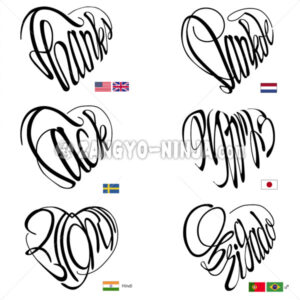
Dankbarkeit wird im Englischen, Niederländischen, Schwedischen, Portugiesischen (männlich), Japanischen (Katakana) und Hindi in Herzform ausgedrückt. Das Thema lautet „Herz der Dankbarkeit“. Der japanische Ausdruck für „Danke“ wird in seiner Grundform geschrieben. Dieser japanische Ausdruck „arigatou“ ist die Grundform des Wortes für „Danke“. Es gibt jedoch verschiedene Möglichkeiten, ihn zu schreiben … Weiterlesen
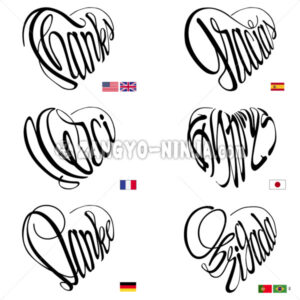
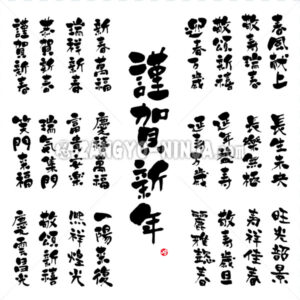
Handwritten and designed greetings for 25 types of New Year’s cards in Kanji. There are 2- and 4-character New Year’s greetings, which are words that are also used as 4-character phrases. (Some of them are not idioms and are not found in dictionaries.) Four-letter New Year’s greeting cards are considered to be used not … Read More
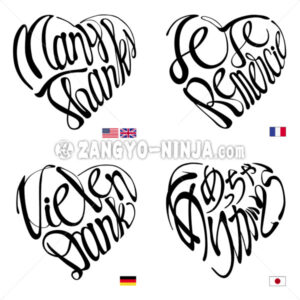
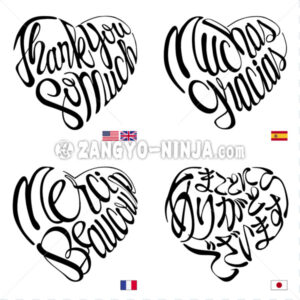
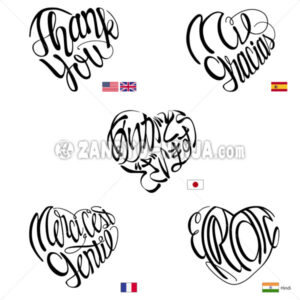
Thank you so much is expressed in English, Spanish, French, and Japanese in a heart-shaped writing style. The heart-shaped expression has many letters, so it is light-weight style and expressed in a 3D style with a bulging heart. And theme is “Heart of Gratitude”. About “Thank you so much” in Japanese The Japanese reading … Read More
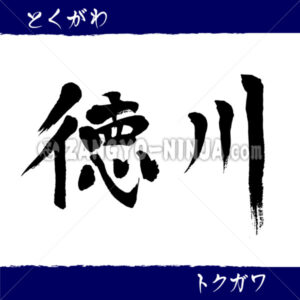
The surname of the shogunal family of the Edo shogunate, which lasted for approximately 260 years. Originally a local lord in Matsudaira Village, Kamo District, Mikawa Province, who used the Matsudaira surname, but changed it to Tokugawa during Ieyasu’s time. The Edo Shogunate began in 1603 (Keichō 8) when Tokugawa Ieyasu established it, and … Read More
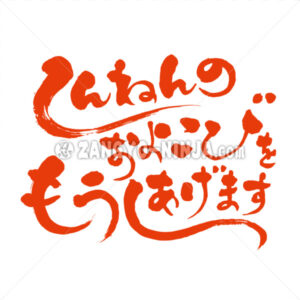
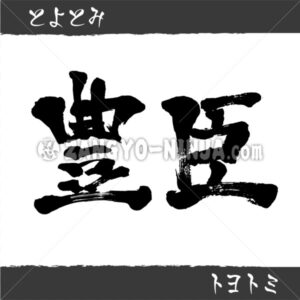
A daimyo family of the Azuchi-Momoyama period. It began when Hideyoshi was appointed Grand Minister of State in 1586 and granted the Toyotomi surname. History of the Toyotomi Clan Hideyoshi, originally from the Kinoshita clan of Owari Province, became a senior retainer of Oda Nobunaga and changed his surname to Hashiba in 1573 (Tenshō … Read More
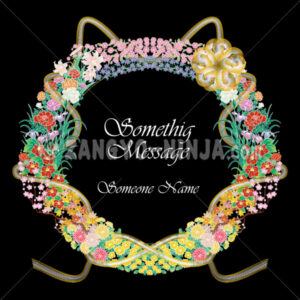
In einem Ring im Yuzen-Stil werden die Blumen der vier Jahreszeiten Japans dargestellt und mit Mizuhiki umwickelt, was als elegant und prestigeträchtig gilt. Dieses Mizuhiki hat die Form eines „Kemomimi“. Beschreibung dieses Blumenring-Designs: Was ist Yuzen? Yuzen ist die Abkürzung für Yuzen-Färben, eine traditionelle Technik für … Weiterlesen
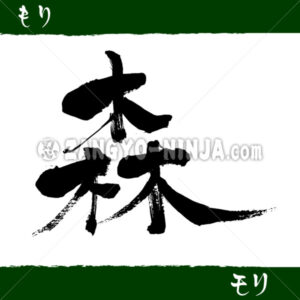
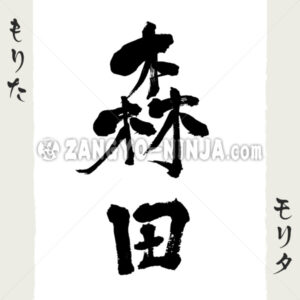
Hello, Mr. Morita. This is an explanation of the origin of the surname Morita, which is shared by your ancestors and friends. The first line on the left is in hiragana, the middle line is in kanji, and the third line on the right is in katakana, all written vertically. The first kanji character, … Read More
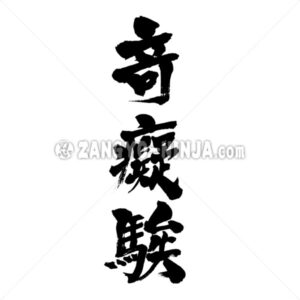
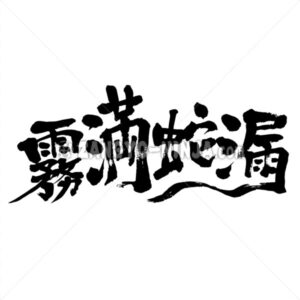
Kilimanjaro is located in eastern Tanzania, and at 5,895 meters above sea level, it is the tallest mountain in the world as an independent peak not belonging to a mountain range. Kilimanjaro National Park, which includes Mt. Kilimanjaro, was registered as a World Natural Heritage site in 1987 in recognition of its beautiful mountain … Read More
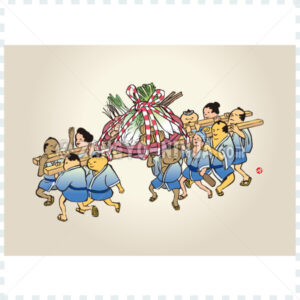
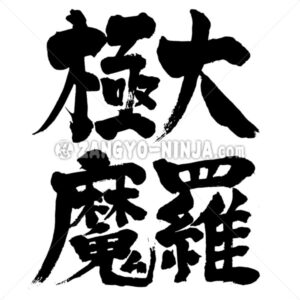
It is two horizontal lines with a total of four kanji characters. The top line is a Kanji character meaning extremely large, and the bottom line is slang for penis. The bottom line reads “Mala” in Japanese The etymology of the word is “something that hinders Buddhist practice and deceives the human mind.” and … Read More
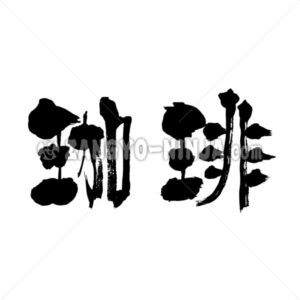
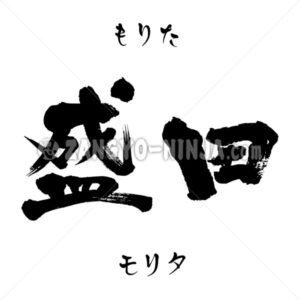
Hello, Mr. Morita. This is an explanation of the origin of the surname Morita, which is shared by your ancestors and friends. Found nationwide, particularly common in Aomori, Toyama, and Tottori Prefectures. Shared lineage with the Morita clan. Derived from the auspicious character “盛” (prosperity) and “田” (field). The Morita family of Aomori Prefecture: … Read More
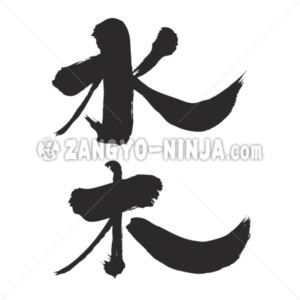
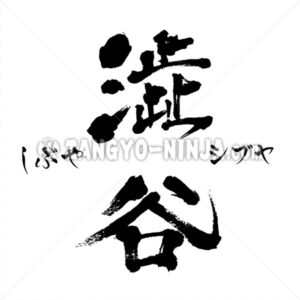
The first character in the center is the old character form of Shibuya. You hardly ever see it nowadays, but this character was used until around the early Showa period. It seems some Japanese people still use this old character form in their surnames. This character is a kanji meaning “bitter taste,” “to stagnate,” … Read More
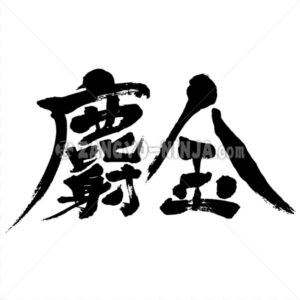
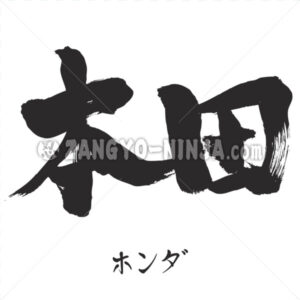
Honda is the 130th common Japanese surname. Hello, Mr. Honda. This is an explanation of the origin of the surname Honda, which is shared by your ancestors and friends. Topography. From the main rice field. It was located in the eastern part of Kagoshima Prefecture (formerly Osumi Province) during the Nanbokucho Period. It is … Read More