
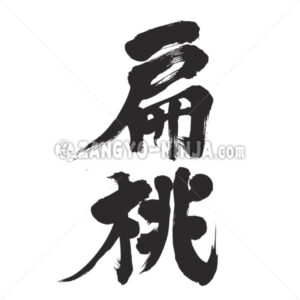
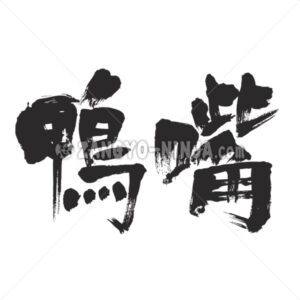
Japan calls Kamono-Hashi. It has its name because its mouth resembles a duck’s beak. There are limbs on the limbs, which are suitable for underwater life. The hair is dark brown velvety and grows densely. It is distributed in Tasmania, eastern Australia, and inhabits forests from vegetated lowlands near rivers and lakes to an … Read More
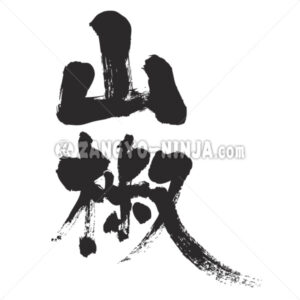
1. Australian tree having alternate simple leaves and slender axillary spikes of white flowers 2. any of a number of trees or shrubs of the genus Zanthoxylum having spiny branches. Japanese says San-Sho.
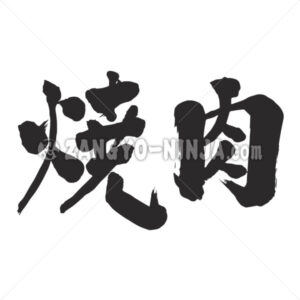
1. Japanese dish of grilled meat similar to Korean barbecue. 2. roasted meat. Japan calls “yaki niku”.
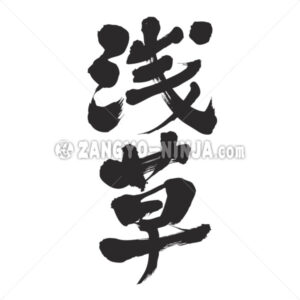
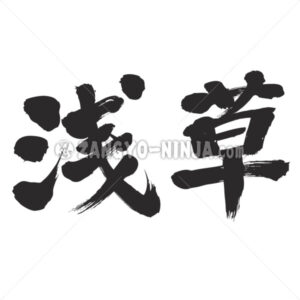
Description for Asakusa town Asakusa is a town centered around Senso-ji Temple, home to the Kaminarimon (Thunder Gate), and attracts many tourists from Japan and abroad. Located in central Tokyo, the area is popular for its convenient accessibility and traditional retro atmosphere. Characteristics of Asakusa It is popular as a place where history, tradition, … Read More
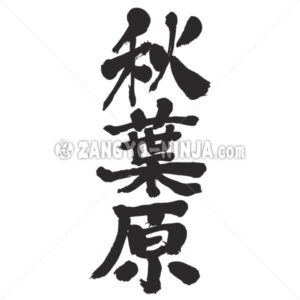
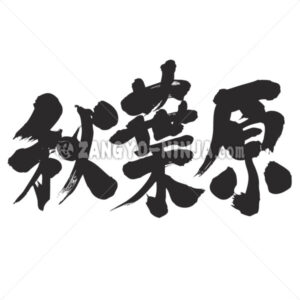
Description for Akihabara town Akihabara is an area name that refers to the area around JR Akihabara Station in Chiyoda-ku, Tokyo. It is known as one of the largest electric towns in Japan. History and etymology of Akihabara (Akiba) During the Edo period, it was the area where lower samurai lived. As it was … Read More
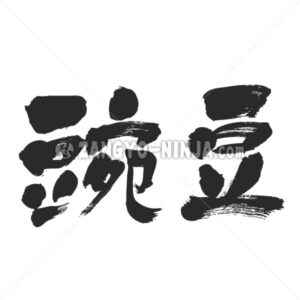
a leguminous plant of the genus Pisum with small white flowers and long green pods containing edible green seeds. Japan calls En-Do.

it’s in Japanese Katakana language. 1. the branch of biology concerned with the relations between organisms and their environment. 2. the environment as it relates to living organisms.
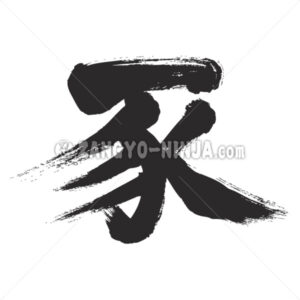
It is a domesticated wild boar and is thought to have already been domesticated in Mesopotamia around 4000 BC. There are more than 300 major breeds of pigs such as Yorkshire, Berkshire and Landrace. Larger varieties weigh nearly 400 kg. This kanji is not a common kanji. Japan calls Buta.
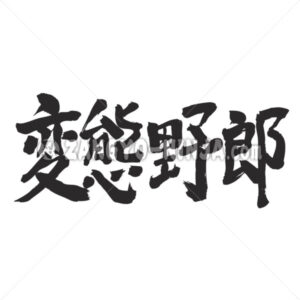
A man who likes insane things, makes insane wordings, and significantly disturbs coordination. Japan call “Hen tai ya ro”
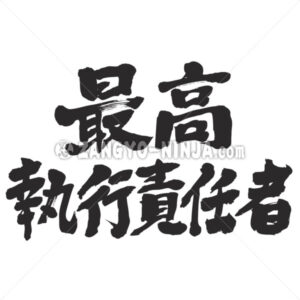
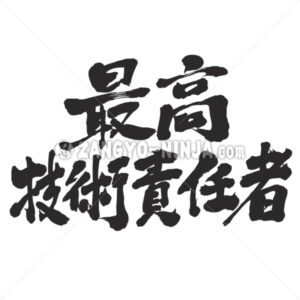
A chief technical officer, is an executive-level position in a company or other entity whose occupant is focused on scientific and technological issues within an organization. Japanese says “Sai Ko Gi Jutsu Seki Nin Sha”.
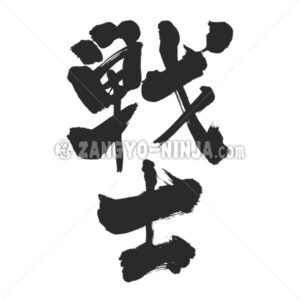
1. an enlisted man or woman who serves in an army. 2. a wingless sterile ant or termite having a large head and powerful jaws adapted for defending the colony. Japanese says “Sen Shi”.