

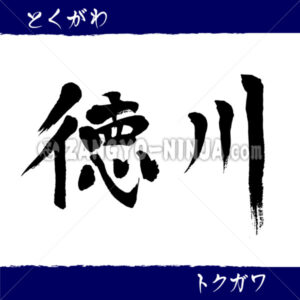
The surname of the shogunal family of the Edo shogunate, which lasted for approximately 260 years. Originally a local lord in Matsudaira Village, Kamo District, Mikawa Province, who used the Matsudaira surname, but changed it to Tokugawa during Ieyasu’s time. The Edo Shogunate began in 1603 (Keichō 8) when Tokugawa Ieyasu established it, and … Read More
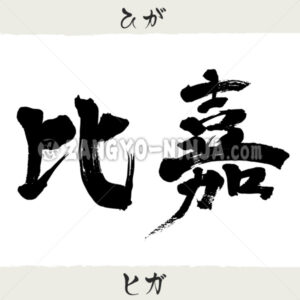
Widely distributed throughout Okinawa Prefecture, it is the most common surname in the prefecture. Derived from “bijā,” meaning east. Located in the southeastern part of Hamahiga Island, central Okinawa Island. Locally, it is collectively called Bama-Hija with the beach in the northwest. There is a rocky hill called a gusuku at an elevation of … Read More
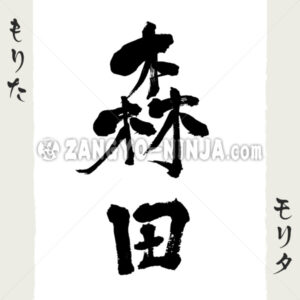
Hello, Mr. Morita. This is an explanation of the origin of the surname Morita, which is shared by your ancestors and friends. The first line on the left is in hiragana, the middle line is in kanji, and the third line on the right is in katakana, all written vertically. The first kanji character, … Read More
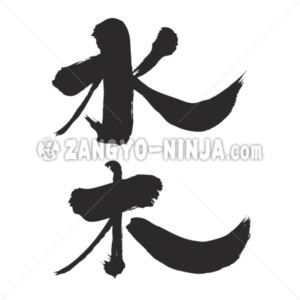
Hello, Mr. Mizuki. This is an explanation of the origin of the surname Mizuki, which is shared by your ancestors and friends. This is 2,857th surname in Japan It is said that the surnames derived from place names are very common as the origin of surnames. Mizuki is presumed to be one of them. … Read More
Hello, Mr. Ohshiro. This is an explanation of the origin of the surname Ohshiro, which is shared by your ancestors and friends. This is a representative surname originating from Okinawa’s castle ruins (gusuku) culture. Meaning “large castle,” it was formerly called “ufugushi” and traces its origins to ancient settlements and clan lineages (monchū) in … Read More
A military commander of the Sengoku and Azuchi periods. The surname of Nobunaga. Son of Oda Nobuhide. His childhood name was Yoshihōshi. He succeeded to the family headship in 1551. Defeated Imagawa Yoshimoto at the Battle of Okehazama in 1560. Formed an alliance with Matsudaira Motoyasu (Tokugawa Ieyasu) of Mikawa in 1562. As a … Read More
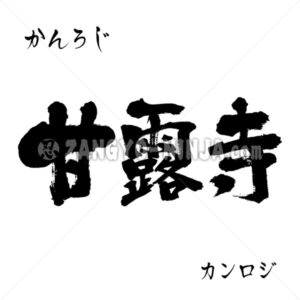
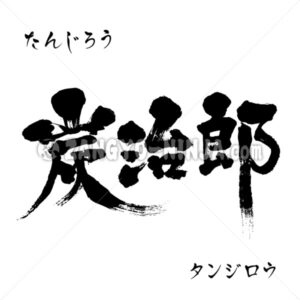
Einer der ersten Vornamen japanischer Männer. Der Name „Tanjiro“ ist nicht nur eine Figur aus Manga oder Anime. Er ist in modernen Männernamen selten anzutreffen. Moderne Namen bestehen meist aus ein oder zwei Kanji-Zeichen, drei Kanji-Namen sind relativ ungewöhnlich. Bei Männern war das Hinzufügen von „郎“ (ro) seit der Antike üblich, ähnlich wie … Weiterlesen
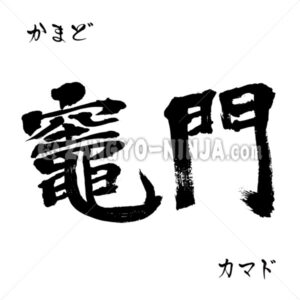
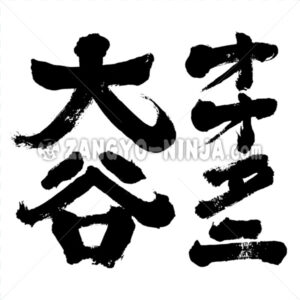
Hello, Mr. Ohtani. This is an explanation of the origin of the surname Ohtani, which is shared by your ancestors and friends. It is a geographical family name, widely found outside of the Tohoku and Kyushu regions. The most common reading of “Ohtani” is “Ohtani,” but in the Tohoku region and near Ota City, … Read More
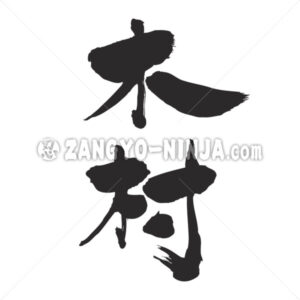
Hello, Mr. Kimura. This is an explanation of the origin of the surname Kimura, which is shared by your ancestors and friends. Multiple theories exist regarding the origin of the name “Kimura,” including: – Deriving from a place name meaning “village where trees grow thickly” – Being related to the historically known Ashikaga clan … Read More
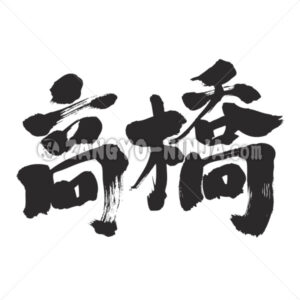
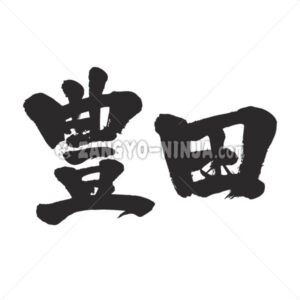
Hello, Mr. Toyoda(Toyota). This is an explanation of the origin of the surname Toyoda(Toyota), which is shared by your ancestors and friends. This kanji generally has two different readings. Since it cannot be determined from the kanji alone, you need to rely on the furigana or context in conversation to determine the correct reading. … Read More
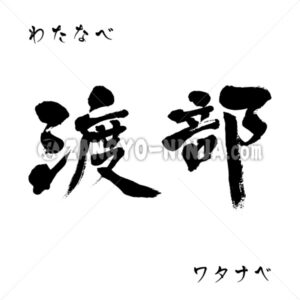
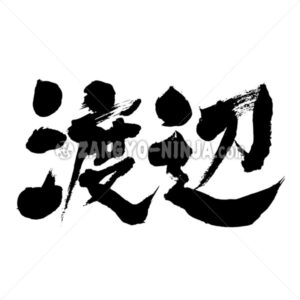
Hello, Mr. Watanabe. This is an explanation of the origin of the surname Watanabe, which is shared by your ancestors and friends. The clan traces its ancestry to Watanabe no Tsunemori (Minamoto no Tsunemori), the foremost of the Four Heavenly Kings of Yorimitsu famed for slaying demons. Its name originates from its base at … Read More
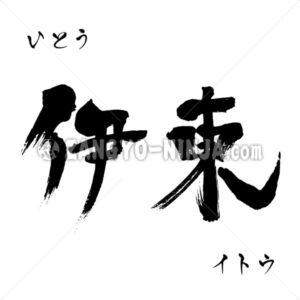
Ein Ort, der seit langem für seine Thermalbäder bekannt ist. Die Touristenstadt Ito liegt im Osten der Präfektur Shizuoka, nahe dem Zentrum der Izu-Halbinsel und gegenüber der Sagami-Bucht. Der Name Ito soll sich von der Lage östlich von Yu Izu ru kuni (dem Land, wo die heißen Quellen entspringen) ableiten. Itos Industrien … Weiterlesen
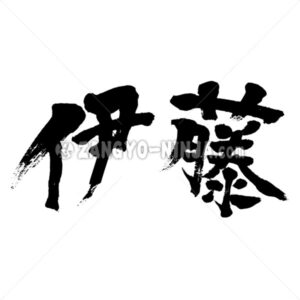
Hello, Mr. Ito. This is an explanation of the origin of the surname Ito, which is shared by your ancestors and friends. It is the fifth most common surname in Japan. The surname Ito was adopted by descendants of Fujiwara no Hidesato, a warrior of the Fujiwara clan descended from Fujiwara no Kamatari (614–69), … Read More
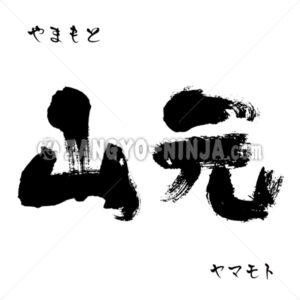
Hello, Mr. Yamamoto. This is an explanation of the origin of the surname Yamamoto, which is shared by your ancestors and friends. This is another surname with the same pronunciation but different kanji characters. Unlike the common Yamamoto in Japan (where the second character is “本” meaning “book”), this one uses “元” meaning ‘origin’ … Read More
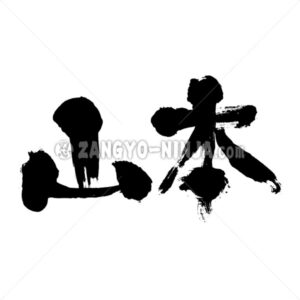
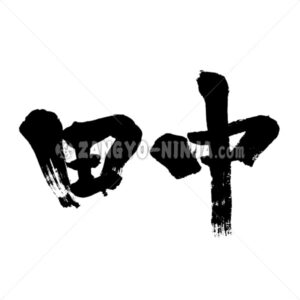
Hello, Mr. Tanaka. This is an explanation of the origin of the surname Tanaka, which is shared by your ancestors and friends. Tanaka is the 4th most common Japanese surname in Japan. The etymology is for rice fields and cultivation. The surname “Tanaka” originates from geographical features or place names such as “in the … Read More
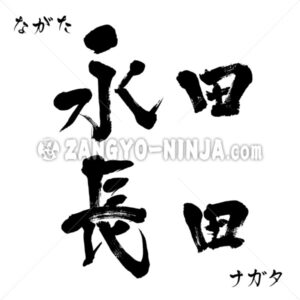
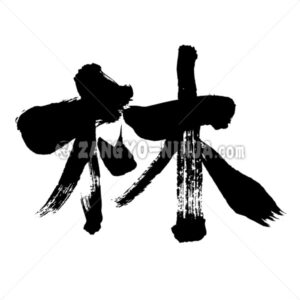
Japanese said “Hayashi” in a character Kanji. The etymology is “Hayasu”, and the conjunctive form of the verb “Hayasu” is a noun. “Hayasu” is to grow. The intention to prosper and grow. In other words, “Hayashi” is a place where trees are grown. It is also said to be a surname that originated from … Read More