

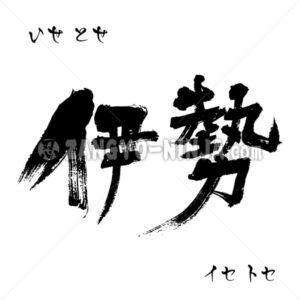
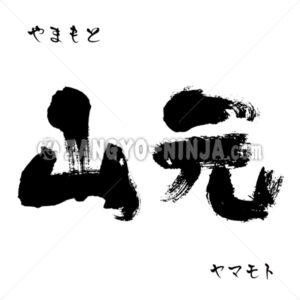
Hello, Mr. Yamamoto. This is an explanation of the origin of the surname Yamamoto, which is shared by your ancestors and friends. This is another surname with the same pronunciation but different kanji characters. Unlike the common Yamamoto in Japan (where the second character is “本” meaning “book”), this one uses “元” meaning ‘origin’ … Read More
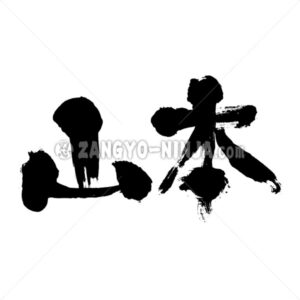
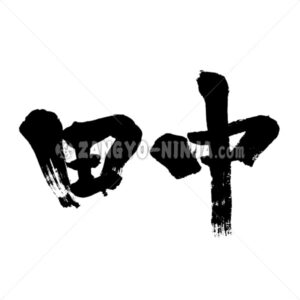
Hello, Mr. Tanaka. This is an explanation of the origin of the surname Tanaka, which is shared by your ancestors and friends. Tanaka is the 4th most common Japanese surname in Japan. The etymology is for rice fields and cultivation. The surname “Tanaka” originates from geographical features or place names such as “in the … Read More
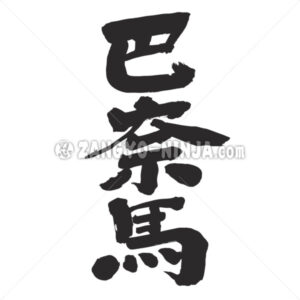
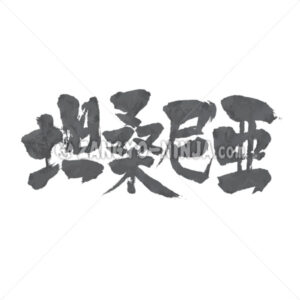
a republic on the Isthmus of Panama. a zone consisting of a strip of land across the Isthmus of Panama that contains the Panama Canal.
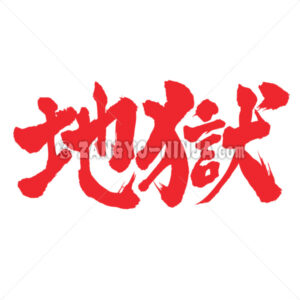
Diese Etymologie stammt aus dem indischen Buddhismus. Das Sanskritwort „naraka“ wurde transkribiert und nach China weitergegeben, wo es zu „naraku“ wurde. In China bedeutete Naraka unterirdisches Gefängnis, wurde daher weggelassen und es wurde zu „Hölle“. Es heißt, die Wörter „Hölle“ und „naraku“ seien nach Japan gelangt. Die Japaner sagten: „Ji … Weiterlesen
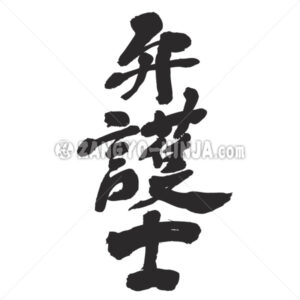
Description for lawyer A lawyer, along with a judge and a prosecutor, is one of the three legal professionals and a legal practitioner. And while judges and prosecutors are civil servants, lawyers are called legal profession. In other words, a lawyer is a person who is active in civil and criminal proceedings for the … Read More
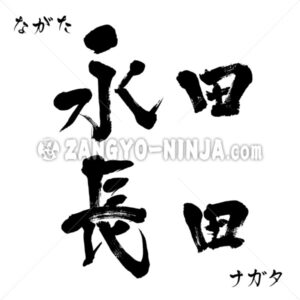
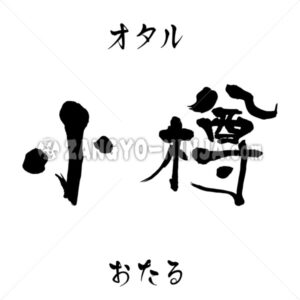
The name “Otaru” originates from the Ainu word “Otarnai,” meaning “river in the sand,” which was used to describe this area in ancient times. Otaru, one of Japan’s premier tourist cities. Otaru, a beautiful coastal city in Hokkaido. Developed as the “Commercial Capital of the North” since the Meiji era, Otaru boasts numerous retro … Read More
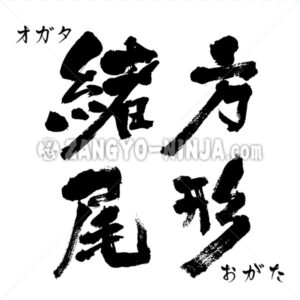
Hello, Mr. Ogata. This is an explanation of the origin of the surname Ogata, which is shared by your ancestors and friends. Their origins seem to differ depending on the era and location. Origin of this surname Originating from Ogata-cho, Bungo-Ono City, Oita Prefecture. A place name recorded during the Nara period. It is … Read More
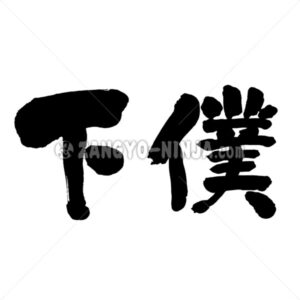
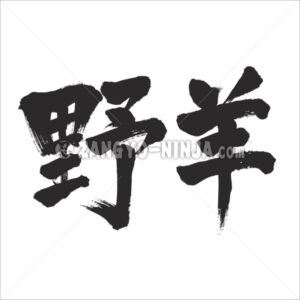
Bovid mammals. Livestock are domesticated goats that live in rocky mountains in West Asia. Similar to sheep, but with long necks and many males and females with horns, males have long-haired tufts on their chin. Generally, the properties are in warm order and form a flock. You can eat foliage and keep it even … Read More
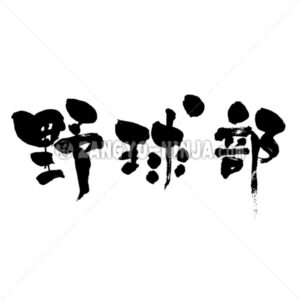
Ein Team, das durch Baseballspiele an Schulen die Gruppenaktivitäten und -fähigkeiten verbessern will. Japanisch: ya-kyu-bu.
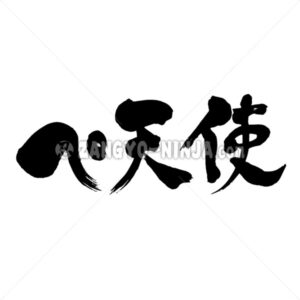
A bad guy who successfully tricks people into profiting. con man. It is a coined word with the last two letters of the “angel” and the katakana “pe” as the first letter. Originally, it is a “ぺてん師”. Japanese said “Pe ten shi” in Japanese Katakana and Kanji.
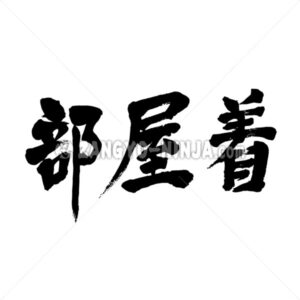
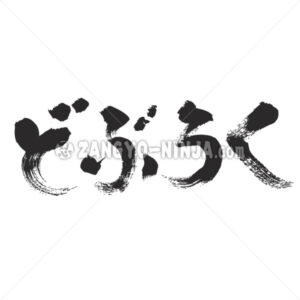
It is sake made by self-brewing, and it is basically a violation of the Sake Tax Law under current Japanese law. However, it is good for sake brewers to make this, and it is allowed at certain times. It is a state of sake that has been fermented like sake and has been brewed … Read More
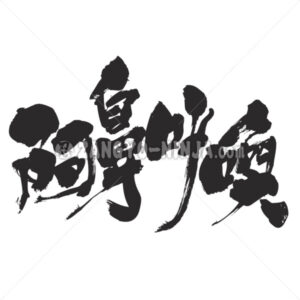
A man/woman who crying in extreme pain and seeking salvation. Very miserable and ugly. The situation was such that the deceased fell into hell and could not bear the torment and cried out loud. Annoying hell and screaming hell in Buddhism. Both are one of the eight great hells. It may also refer to … Read More
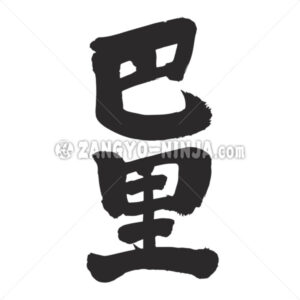

This is not about the date indicating a specific time and date, but rather an explanation of the Japanese word “Date.” The meaning of this word as “Date” To flaunt one’s spirit or chivalry. Also, the manner of doing so. To wear flashy clothing or behave ostentatiously to attract attention. To put on airs. … Read More

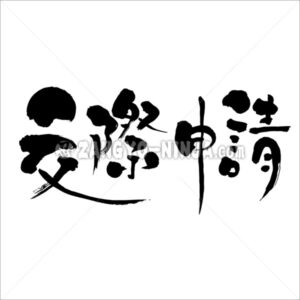
This is a clever way to write when you apply for dating with someone you like, or when you want to have a relationship on the premise of marriage. It’s up to you whether writing this will make it a reality. Japanese said “Ko sai shin sei”.
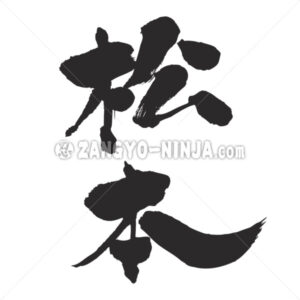
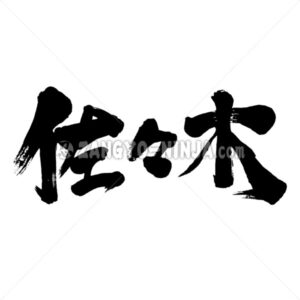
The etymology is “small saki” (protruding small terrain) as a place name. Sasaki is the 13th common Japanese surname. Hello, Mr. Sasaki. This is an explanation of the origin of the surname Sasaki, which is shared by your ancestors and friends. Originated from the area near Sasaki Shrine (formerly Sasaki) in Jorakuji, Azuchi-cho, Omihachiman … Read More