
[Familienwappen] Kikyo Blumen Anstecknadel
|

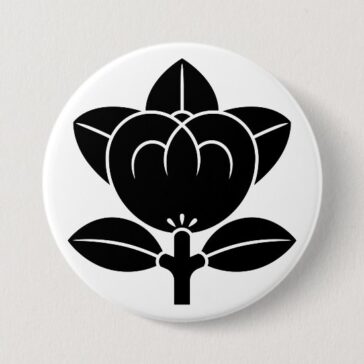
Flowers symbol and graphics at old age. Kikyo flowers Kamon. note. Kikyo (ballon flower) is Seven herbs of autumn. In the olden days, one flower of bellflower was dedicated to the gods and Buddhas to forge the good and bad. The pronunciation of Kikkyo may have changed to Kikyo. [Family Crests] Kikyo Flowers Pinback … Read More
[Familienwappen] Deformierter Kaji-Blatt-Rundknopf
|

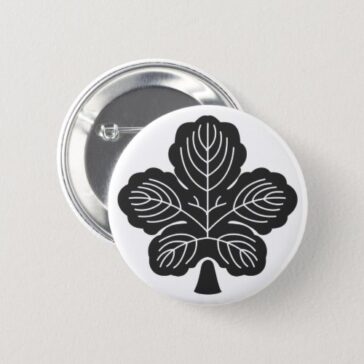
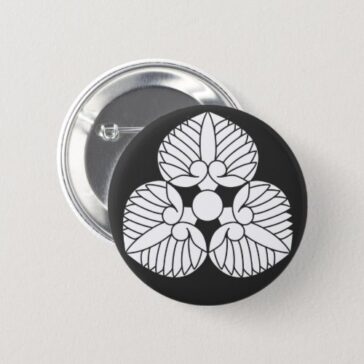
Kaji leaf for Kamon. This family crest depicts a kaji leaf with a deformed petiole. Kaji trees are considered sacred because their leaves are used as vessels for offerings before the gods, and they eventually came to be used as divine crests. It can be found by clicking the button below. The white family … Read More

[Familienwappen] Runde Anstecknadeln mit Pflaumenblüten
|

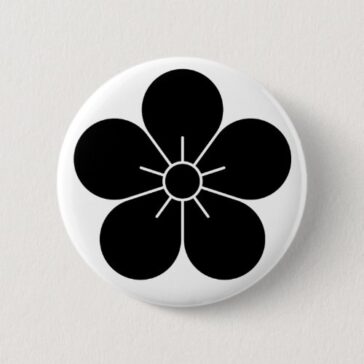
A Plum flower for Kamon. Flowers symbol and graphics at old age. The most orthodox crest design, depicting a plum blossom with five petals. The sacred crest of Dazaifu Tenmangu Shrine in Dazaifu City, Fukuoka Prefecture. It can be found by clicking the button below. The white family crest is hidden. Click the “Edit … Read More

[Familienwappen] Citrus Tachibana Blume Rundknopf
|

Flowers symbol and graphics at old age. This family crest depicts the fruit, leaves, and flowers of the tachibana, an evergreen shrub of the citrus family, rendered as an emblem. It can be found by clicking the button below. The white family crest is hidden. Click the “Edit this design” button to display the … Read More

[Familienwappen] Anstecknadel mit 3 Stockrosen im Kreis
|

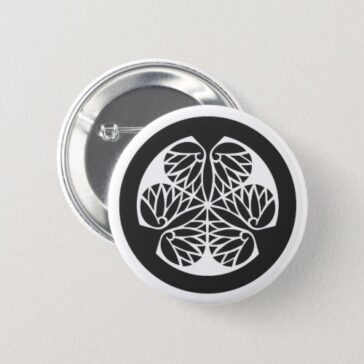
Es handelt sich um das bekannteste Familienwappen der Familie Mitsuha Aoi in Japan, das während der Edo-Zeit über Generationen von der Shogun-Familie Tokugawa verwendet wurde. [Familienwappen] Anstecknadel mit drei Stockrosen im Kreis

[Familienwappen] Anstecknadeln mit 3 Stockrosen im Kreis
|

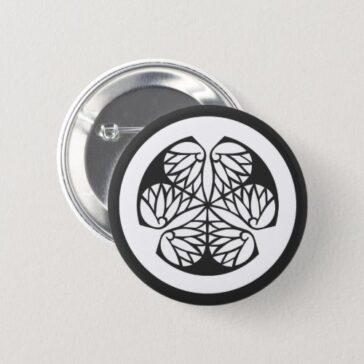
Drei Stockrosen in einem Kreis als Anstecknadeln. Es handelt sich um das bekannteste Familienwappen der Familie Mitsuha Aoi in Japan, das während der Edo-Zeit über Generationen von der Shogun-Familie Tokugawa verwendet wurde. Es ist ein schwarz-weißes, spiegelverkehrtes Design.

[Familienwappen] Links ausgerichtete, dreistufige Kiefern mit kreisförmigem Knopf
|

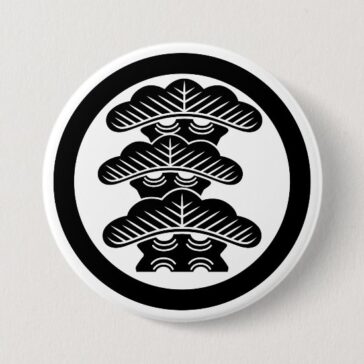
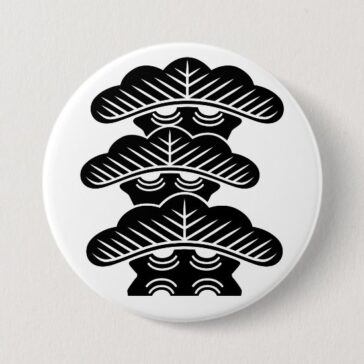
This family crest (Kamon) depicts three tiers of pine branches stacked vertically within a circle, with the center tier shifted to the left. Nature plants symbol and graphics at old age for Japanese family. note. Pine tree has been a tree where gods live since ancient times, and it is the etymology of “worship” … Read More

[Familienwappen] Links ausgerichtete, dreireihige Kiefern (Schaltfläche)
|

This family crest (Kamon) depicts three tiers of pine branches stacked vertically, with the center tier shifted to the left. Nature plants. note. Pine tree has been a tree where gods live since ancient times, and it is the etymology of “worship” and “festival” as the meaning of waiting for gods. It is regarded … Read More

[Familienwappen] Ginkgo und Zweige wurden kreisförmig angeordnet. Runder Ansteckknopf
|

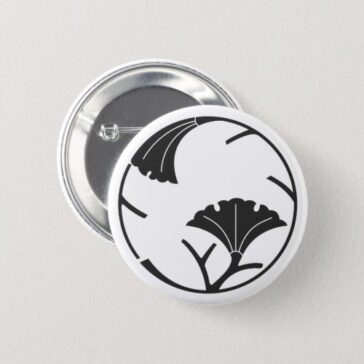
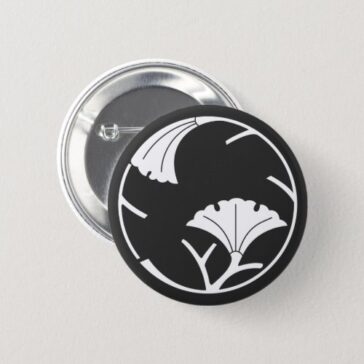
[Familienwappen] Ginkgo und Zweige sind kreisförmig angeordnet. Kamon (Familienwappen). Symbolik und Grafiken von Pflanzen im Alter für japanische Familien.

[Familienwappen] Ginkgo und Zweige wurden kreisförmig angeordnet. Anstecknadel
|

Ginkgo und Zweige wurden wie ein Kreis (Kamon) gestaltet. Symbol für Naturpflanzen und Grafiken im Alter für japanische Familien. Es ist eine Umkehrung von Negativ und Positiv. [Familienwappen] Ginkgo und Zweige wurden wie ein Kreis (Anstecknadel) gestaltet

[Familienwappen] Vierseitiger Mokko in einer Karahana-Blume, Anstecknadel
|

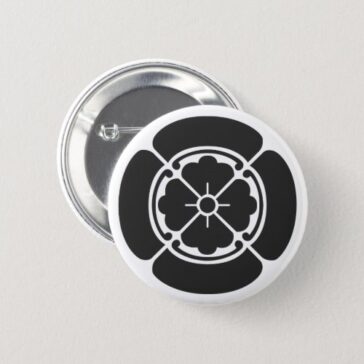
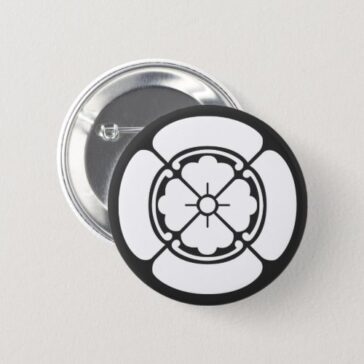
[Family Crests] Karahana flower inside Four-sided Mokko Pattern Pinback Button Karahana flower inside Four-sided Mokko for Kamon. Nature plants symbol and graphics at old age for Japanese family. note. Karahana flower is a pattern that came from China and does not refer to a specific flower, but to a “Karahana-flower-style plant pattern”. mokko is … Read More

[Familienwappen] Vierseitiger Mokko in Karahana-Blume, runder Knopf
|

Vierseitiges Mokko in einer Karahana-Blüte für Kamon. Symbol für Naturpflanzen und Grafiken im Alter für japanische Familien. Es ist eine Umkehrung von Negativ und Positiv. [Familienwappen] Vierseitiges Mokko in einer Karahana-Blüte, runder Knopf

[Familienwappen] Kaji-Blatt-Anstecknadel
|

Kaji leaf for Kamon. Nature plants symbol and graphics at old age for Japanese family. note. Kaji leaf: In the olden days, at the Tanabata Festival, there was a custom of writing poetry on seven Kaji leaves and praying for the improvement of entertainment and the achievement of love. [Family Crests] Kaji leaf Pinback … Read More

[Familienwappen] Kaji-Blatt mit Kreis, runder Knopf
|

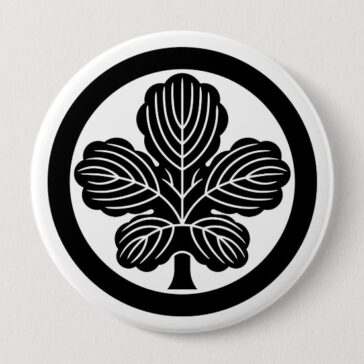
Kaji leaf for Kamon. This family crest features a circle drawn around a pattern of kaji leaves. Kaji trees are considered sacred because their leaves are used as vessels for offerings before the gods, and they eventually came to be used as divine crests. It can be found by clicking the button below. The … Read More

[Familienwappen] Aufsteigende Glyzinienblüten Knopf
|

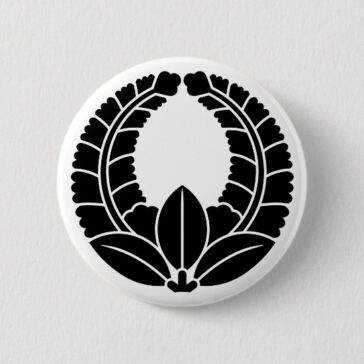
This family crest features three leaves at its center, with wisteria flower clusters depicted rising upward in a circular pattern from both sides. It is called “Agari Fuji” in Japanese. It can be found by clicking the button below. The white family crest is hidden. Click the “Edit this design” button to display the … Read More

[Familienwappen] Pfingstrosenblüten mit kreisförmigem Knopf
|

Pfingstrosenblüte mit kreisförmigem Kamon. Familienwappen (Kamon) – Symbol und Grafik im Alter. [Familienwappen] Pfingstrosenblüte mit kreisförmigem Knopf

[Familienwappen] Radieschen-Rundknopf mit Blick nach vorn
|

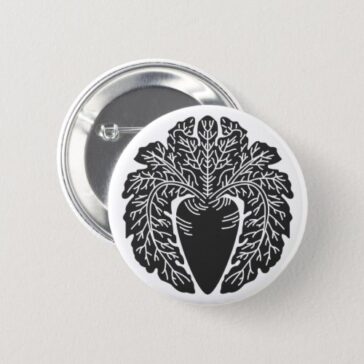
Front facing radish for Kamon. Nature plants symbol and graphics at old age for Japanese family. note. Daikon radish (Japanese white radish) is one of the seven spring herbs and has the meaning of warding off evil spirits and causing no illness. [Family Crests] Front facing radish Round Button It’s negative positive inversion. Front … Read More

[Familienwappen] Anstecknadel mit fallender Glyzinie
|

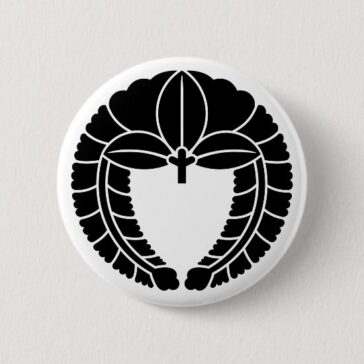
This family crest depicts a rounded shape formed by wisteria flower clusters hanging downward, used by the Fujiwara clan. It is the most standard pattern among wisteria crests. It can be found by clicking the button below. The white family crest is hidden. Click the “Edit this design” button to display the white crest, … Read More

[Familienwappen] Bambusblätter mit kreisförmigem Ansteckknopf
|

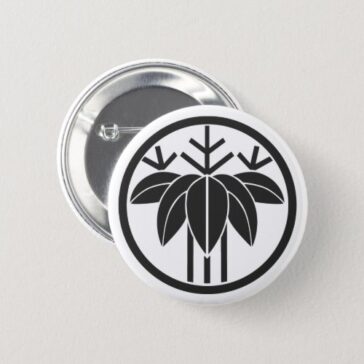
Bamboo laves inside a circle for Kamon. Nature plants symbol and graphics at old age for Japanese family. note. Bamboo and bamboo grass have been regarded as sacred plants since the time of the gods. Bamboo leaves with circle Button Click the button below to view the inverted black-and-white version of this family crest. … Read More

[Familienwappen] 3 Stockrosen, Endausrichtung, runder Knopf
|

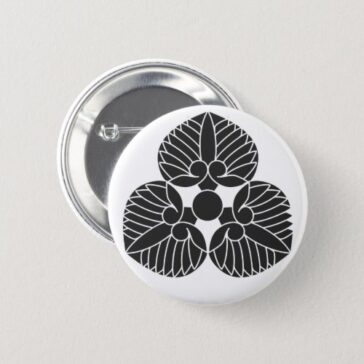
[Familienwappen] Drei Stockrosen in runder Anordnung. Drei Stockrosen in runder Anordnung für Kamon. Symbolik und Grafiken japanischer Familien im Alter. Hinweis: Ein Wappen mit dem Motiv der Blätter der Stockrose (Aoi). Die im Kamo-Schrein verwendete Stockrose gilt als heilige Pflanze.

[Familienwappen] Ein Kreis aus 3 Chrysanthemenblüten (Knopf)
|

Flowers symbol and graphics at old age. Three Chrysanthemum Flower with circle Family crests (Kamon). [Family Crests] 3 Chrysanthemum Flowers Round Button The family name to which this family crest is passed down Imperial family, Kusunoki, Minase, Nakamura, Naniwa, Shitara, Utsugi, Wada, Yakushiji and etc. Note: Even if the family name is the same, … Read More

[Familienwappen] Anstecknadel mit 3 Stockrosenmotiven
|

Drei Stockrosen als Symbol für das Kamon (Familienwappen). Symbol für Natur und Pflanzen im Alter, insbesondere für japanische Familien. Es handelt sich um eine Umkehrung von Negativ und Positiv. [Familienwappen] Anstecknadel mit drei Stockrosen als Symbol für das Kamon (Familienwappen)

[Familienwappen] Umarmende Reisähre Runder Knopf
|

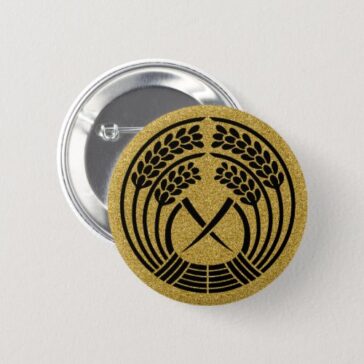
[Family Crests] Hugging rice ear Round Button Hugging rice ear for Kamon. Nature plants symbol and graphics at old age for Japanese family. note. Since rice is the most familiar plant to Japanese people, it was used as a motif for decoration and patterns in addition to crests. When preparing for the god, rice … Read More

[Familienwappen] Pflaumenblüte (Umebachi) mit runden Knöpfen
|

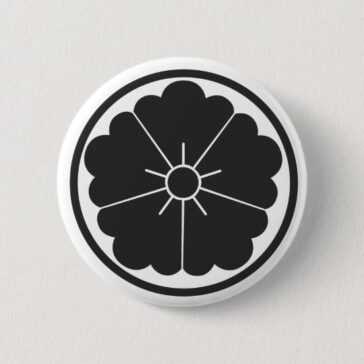
This design features a pattern of circles arranged in five directions, interpreted as plum blossom petals, known as “Umebachi.” The family crest features a standard-thickness line surrounding this “Umebachi” motif. It can be found by clicking the button below. The white family crest is hidden. Click the “Edit this design” button to display the … Read More

[Familienwappen] Abgerundeter Glyzinienblütenknopf
|

Rounded Wisteria Flower Kamon. This family crest is rarely used on its own; it serves as a decorative crest intended to be placed in the center to incorporate some design or pattern for distinguishing family lineages. [Family Crests] Rounded Wisteria Flower button Click the button below to view the inverted black-and-white version of this … Read More

[Familienwappen] Karahana-Blume in einem Kreis Knöpfe
|

This family crest features a ‘Karahana’ (flower of Arabesque) design surrounded by a standard-thickness circle. [Family Crests] Karahana flower inside a circle Pinback Button Click the button below to view the inverted black-and-white version of this family crest. Karahana flower inside circle Buttons (inverted) Family names that have inherited this crest Funabashi, Hanazono, Ino, … Read More

[Familienwappen] Kikyo-Blume im Kreis, Anstecknadel
|

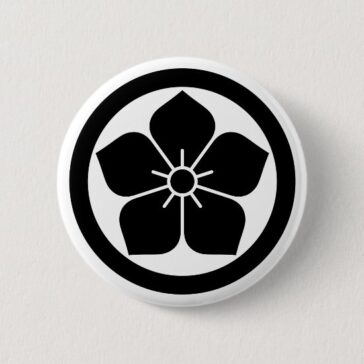
This family crest features the ‘Kikyo crest’ (bellflower crest) at its center, surrounded by a circle of standard thickness. It can be found by clicking the button below. The white family crest is hidden. Click the “Edit this design” button to display the white crest, hide the black crest, and change the background color. … Read More

[Familienwappen] 3 Kikyo-Blüten und -Blätter mit rundem Knopf
|

Flowers symbol and graphics at old age. Three Kikyo with circle Kamon. note. Kikyo (ballon flower) is Seven herbs of autumn. In the olden days, one flower of bellflower was dedicated to the gods and Buddhas to forge the good and bad. The pronunciation of Kikkyo may have changed to Kikyo. [Family Crests] 3 … Read More

[Familienwappen] Rechtsdrehender Mitsudomoe Classic Button
|

This is a clockwise “Mitudoomoe” (triple tomoe). Clockwise flow is traditionally depicted as rotating to the right. The standard Mitudoomoe is shown here. It can be found by clicking the button below. The white family crest is hidden. Click the “Edit this design” button to display the white crest, hide the black crest, and … Read More

[Familienwappen] Anstecknadel mit Reisähre in der Hand
|

Hugging rice ear for Kamon. Nature plants symbol and graphics at old age for Japanese family. It’s negative positive inversion. note. Since rice is the most familiar plant to Japanese people, it was used as a motif for decoration and patterns in addition to crests. When preparing for the god, rice is bundled, so … Read More

1 2 3 4 5