

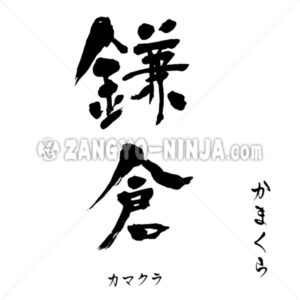
The most representative example is Kamakura in Kanagawa Prefecture. Kamakura is the location in Kamakura City, Kanagawa Prefecture, where Minamoto no Yoritomo established the Kamakura Shogunate, the center of Japan’s first samurai government. The number of tourists visiting Kamakura exceeds approximately 20 million annually. It is a temple and shrine tourist destination on par … Read More
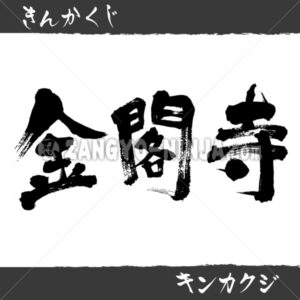
Description for Kinkaku-ji The golden World Heritage Site, Kinkaku-ji Temple. Its official name is Rokuon-ji Temple, but it is commonly known as Kinkaku-ji Temple because its most famous structure, the Shari-den Hall (Golden Pavilion), is covered in gold leaf. Located in Kita Ward, Kyoto City, it is a temple of the Rinzai sect’s Shokoku-ji … Read More
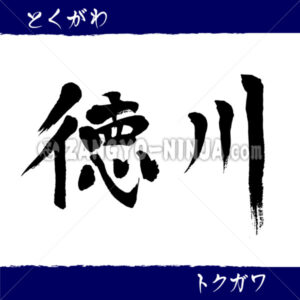
The surname of the shogunal family of the Edo shogunate, which lasted for approximately 260 years. Originally a local lord in Matsudaira Village, Kamo District, Mikawa Province, who used the Matsudaira surname, but changed it to Tokugawa during Ieyasu’s time. The Edo Shogunate began in 1603 (Keichō 8) when Tokugawa Ieyasu established it, and … Read More
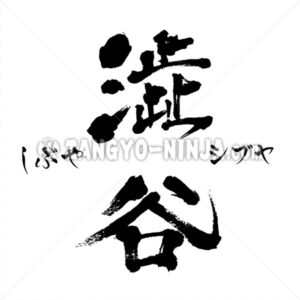
The first character in the center is the old character form of Shibuya. You hardly ever see it nowadays, but this character was used until around the early Showa period. It seems some Japanese people still use this old character form in their surnames. This character is a kanji meaning “bitter taste,” “to stagnate,” … Read More
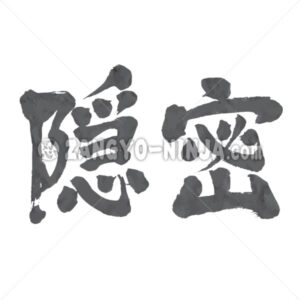
Description for Secretly A low-ranking samurai who engaged in exploration under secret orders from his lord. Generic term for detectives in the Edo period. It’s also called Shinobi no mono, Ninja, and spies. At first, Iga and Koga people were used for covert activities by the shogunate, but the 8th shogun Tokugawa Yoshimune reorganized … Read More
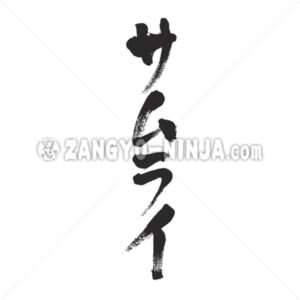
Description for Samuai Samurai in Japanese Katakana. The verb “Saburafu”, which means to refrain from your aides, was turned into a noun, and was also called “Saburai”. The word “Samurai” can be seen in “Nihon Shoki”, but in the Heian period, there were samurai and samurai chiefs who served the Empress and Chugū, and … Read More
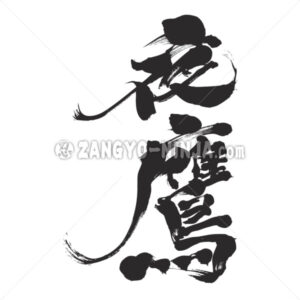
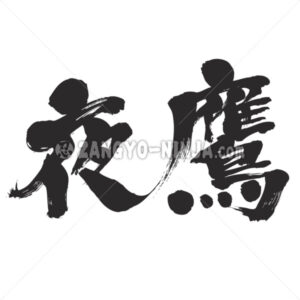
1. A medium-sized bird in the Yotaka family that catches and eats insects in the evening. 2. A person who walks at night. In particular, in the Edo period, the prostitutes of the lower level who drew customers on the street at night. Japan call “Yo taka”.
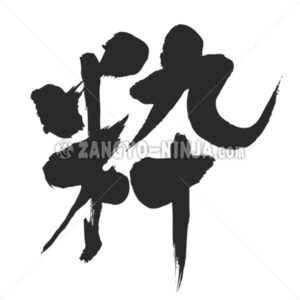
Explanation of stylish The temperament, the attitude, and the appearance are refreshing and the sexual appeal is clear. A good understanding of human sensitivity, especially gender relationships. Be familiar with the circumstances of Hanayagi world. It’s said “Sui” and “Iki”, in Japanese.
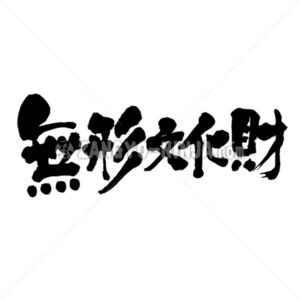
In the history of techniques that produce works in theaters such as Gagaku, Noh, Bunraku, Kabuki, Japanese music, folk performing arts, music, or traditional craft techniques such as pottery, lacquer, dyeing, metalwork, woodwork, bamboo, etc. , It means something with high artistic value. Japan call “Mu kei bun ka zai”.
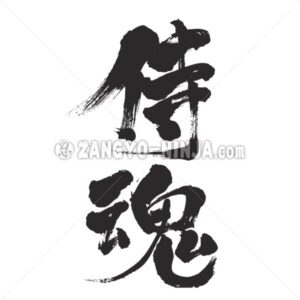
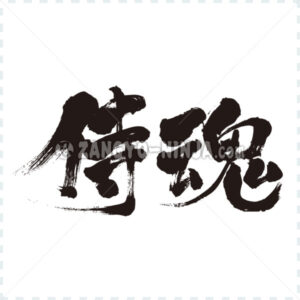
It is a self-sacrificed spirit based on extremely pure thoughts that combines nobleness and pride, a strong will not yield to anyone, and a mind that does not fall apart. Japanese says “Samurai damashii”.
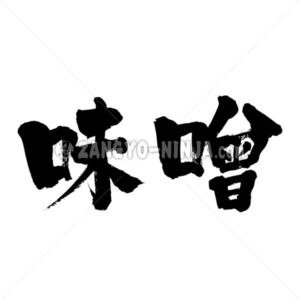
1. One of the Japanese style seasonings. Steamed soybeans, fermented by adding salt and koji. 2. Something similar to miso in color and condition in the shells of crabs and shrimps. 3. Proud advantages. A point where the ideas and ideas were broken.
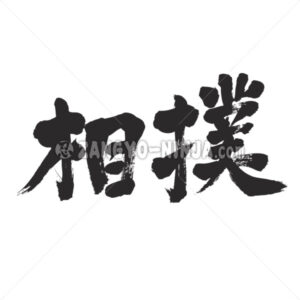
A wrestling in which two players try on the ground and win the opponent if they defeat or move out of the ground. Japan has always been held in Japan and is considered a national sport. Or Sumo wrestler’s abbreviation.
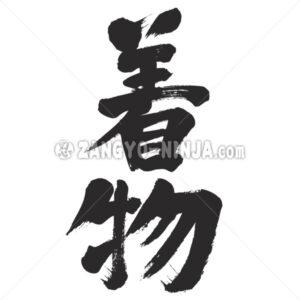
As clothes worn by people, it may be used in the same sense as clothes, but it is often referred to as Japanese clothing. It often refers to so-called long clothes. This is a one-piece style that is held in place with a band in front, regardless of the fabric, pattern, or dyeing, and … Read More
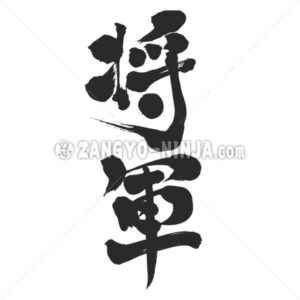
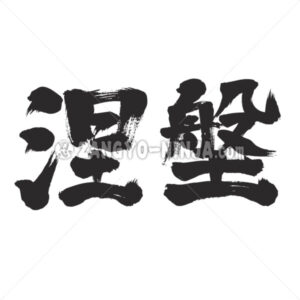
Beschreibung des Nirvanas: Im Japanischen heißt es „nehan“ und wird auch als „nai-on“ oder „nai-otsu“ geschrieben. Es ist eine phonetische Transkription des Pali-Wortes „nibbāna“ und des Sanskrit-Wortes „nirvāa“. Der Begriff stammt von der Bedeutung „ausgeblasen“ und bezog sich ursprünglich auf den Zustand, in dem das Feuer des Lebens erloschen ist, d. h. … Weiterlesen
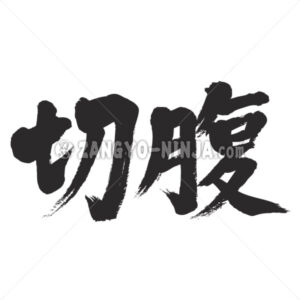
Description for Harakiri (read as Seppuku) 1. Use your own sword to cut your stomach and die. 2. One of the punishments imposed on samurai during the Edo period. The lightest of the death penalty. In front of the autopsy, a kaishakunin shot down his neck from behind as he cut his belly. Japan … Read More