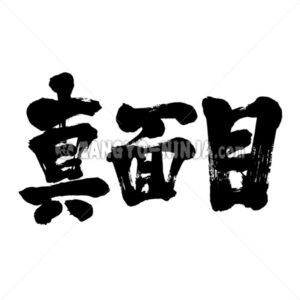
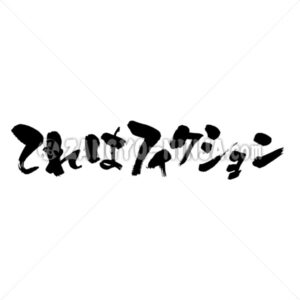
concerned with work or important matters rather than play or trivialities. Have a serious look. Be serious. It should be full of heart and no decoration. Japanese calls “Ma ji me”.
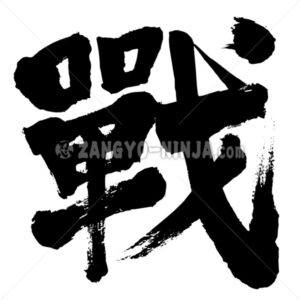
1. Fight with a weapon. 2. competition. It’s about to win or lose. It is a Kanji that old Japanese were using. With transliteration in Katakana that you can custom letter. Japanese says Ikusa.
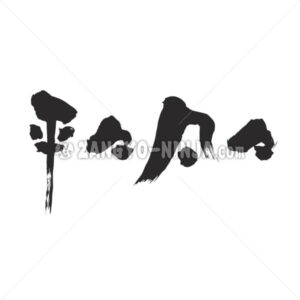
Very common. It is not average and there is nothing particularly good or unusual. Japanese says “Hei hei bon bon”. A word that strengthens “平凡(ordinary)” as four character idiom.
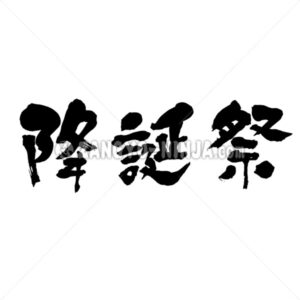
1. A holiday commemorating the birth of Jesus Christ. December 25th is the Roman-Catholic and Protestant churches, which are celebrated on January 7th in the Greek Orthodox Church and January 19th in the Armenian Church. 2. Since “Kotansai” is widely used by gods, Buddhas and monarchs, it is thought that “Seisansai” has also become … Read More
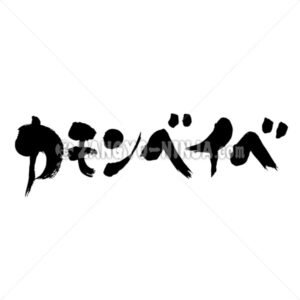
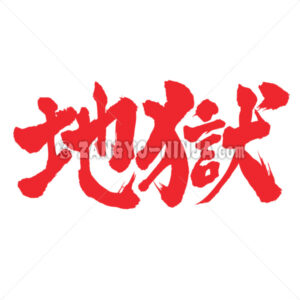
Diese Etymologie stammt aus dem indischen Buddhismus. Das Sanskritwort „naraka“ wurde transkribiert und nach China weitergegeben, wo es zu „naraku“ wurde. In China bedeutete Naraka unterirdisches Gefängnis, wurde daher weggelassen und es wurde zu „Hölle“. Es heißt, die Wörter „Hölle“ und „naraku“ seien nach Japan gelangt. Die Japaner sagten: „Ji … Weiterlesen
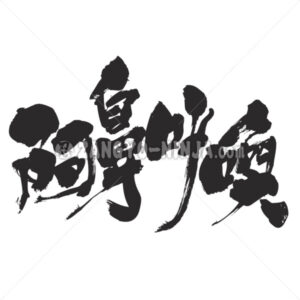

This is not about the date indicating a specific time and date, but rather an explanation of the Japanese word “Date.” The meaning of this word as “Date” To flaunt one’s spirit or chivalry. Also, the manner of doing so. To wear flashy clothing or behave ostentatiously to attract attention. To put on airs. … Read More
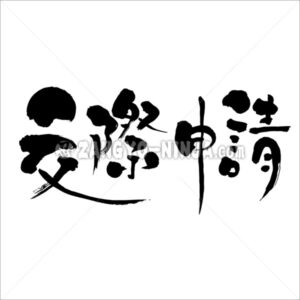
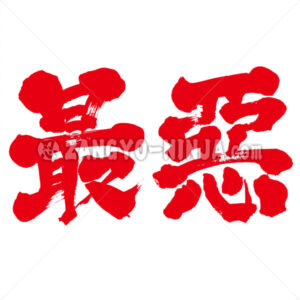
Description for worst and too bad “Worst” refers to the most unfavorable state or condition. It is a word that describes the lowest degree of something, representing the most unpleasant or unfortunate situation.
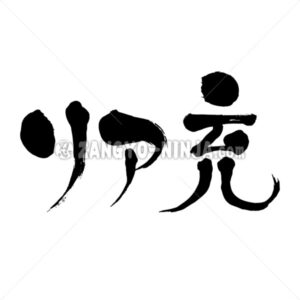
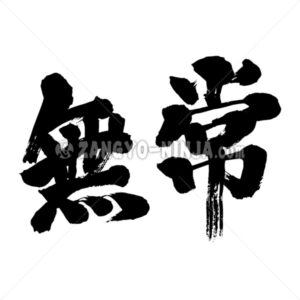
Buddhistische Sprache. Alles ist im Wandel, und es gibt keinen festen Wohnsitz. Alles auf dieser Welt verändert sich schnell und verharrt nicht lange im selben Zustand. Besonders die Vergänglichkeit des Lebens. Man weiß nicht, wann man stirbt. Im Japanischen sagt man „Mu Jou“.
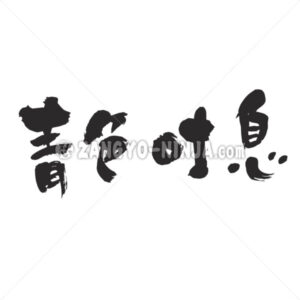
An unsatisfactory sigh when you are in very troubled or extremely painful. It also refers to the state at such time. When you have a lot of hard work and hard work, you are exhausted from your body and mind, and you have a hard time breathing. Japan call “Ai iro to iki”.
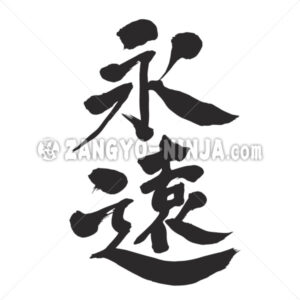
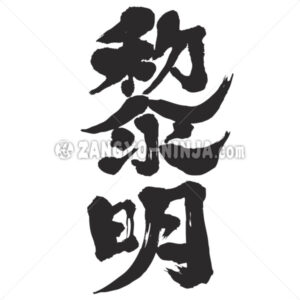
1. When the dawn was about to get into the morning. 2. When things are about to start. When a new culture is about to happen. Japan call “Rei mei”.
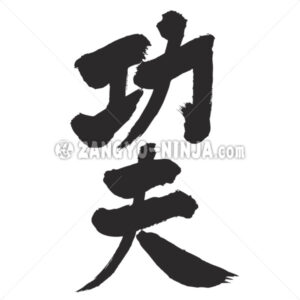
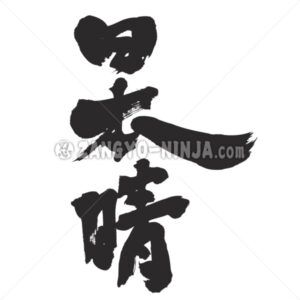
1. It is clear without a little cloud. 2. There is no doubt or anxiety, and feeling is clear. Japan call “Ni hon bare”.
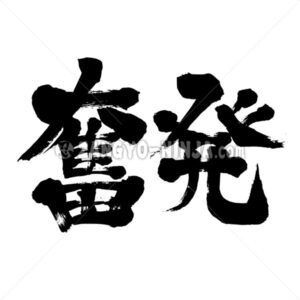
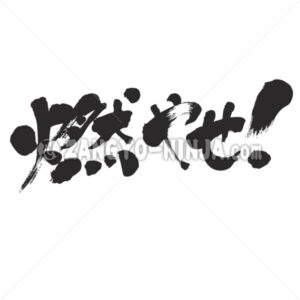
Order form of “burn”. To burn is to burn things etc. To uplift your mind and emotions. Japan call “Mo ya se” in Japanese Kanji and Hiragana.
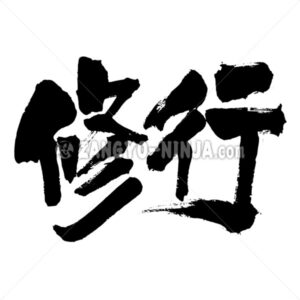
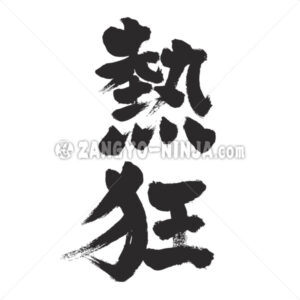
a sudden outburst. overflowing with eager enjoyment or approval. a lively interest. keen and shared excitement. the feeling of lively and cheerful joy. a feeling of excitement. Japan call “Nekkyo”.
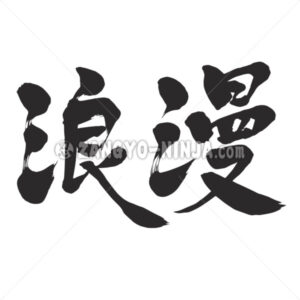
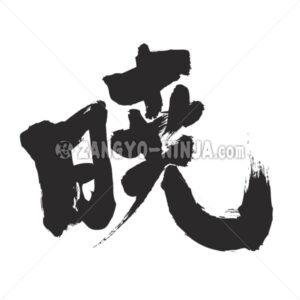
Description for Akatsuki The darkest days before the rising sun. In the old days, it is the time from half past to half of the night. dawn, daybreak. Clearly understand. It is also used for sports teams and company names. Used by the Japan Basketball Association as a nickname for the national basketball team … Read More
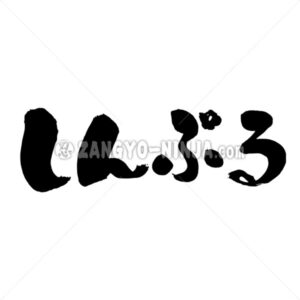
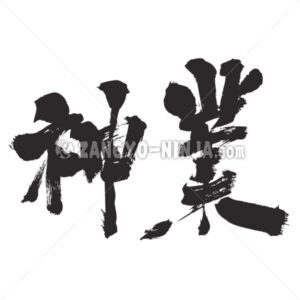
1. God’s work. Also, such superhuman skills and acts. 2. Events about God. Divine affairs. Japan call “Kami waza” “Kamu waza”.
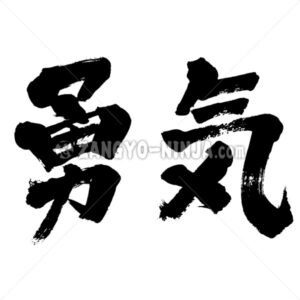
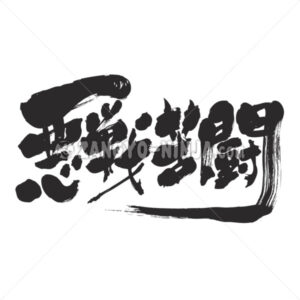
Make an effort with all your heart while suffering in a very difficult time. It is said that it is difficult to fight against a strong enemy and fight painfully. Japanese says “Aku sen ku to”.