
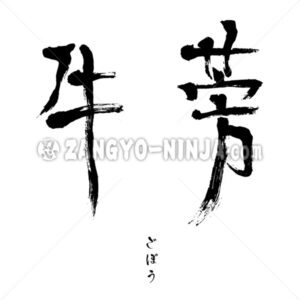
Klette in Kanji und Hiragana, auf Japanisch als Gobo gelesen – Zangyo-Ninja

Es ist keine Baumwurzel. Was ist Klette? Eine zweijährige Pflanze aus der Familie der Korbblütler (Asteraceae). Sie wird hauptsächlich wegen ihrer langen, schlanken Wurzel verzehrt und ist ein typisch japanisches Gemüse, das außerhalb Japans selten verwendet wird. Sie sieht aus wie eine Baumwurzel. Neuere Forschungen haben jedoch einige interessante Details ergeben. Sie ist zwar nicht besonders nahrhaft, aber reich an … Weiterlesen

Vektor
nicht bewertet $0.00$1,490.00 Lizenz auswählen
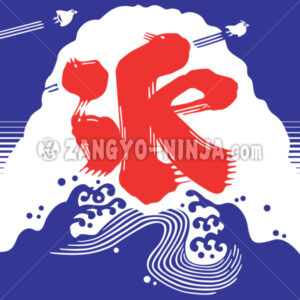
Eis in Bi-Kalligrafie als traditionelles japanisches Design - Zangyo-Ninja

Beschreibung: Eis und Natsugori (夏氷) Dieses Design ist die künstlerische Interpretation des traditionellen japanischen Motivs „Natsugori“ (夏氷). Im japanischen Sommer hängen Geschäfte diese Fähnchen auf, um zu signalisieren: „Wir verkaufen Shaved Ice!“ Das rot geschriebene Wort „Eis“ in der Mitte ist das japanische Schriftzeichen für „Eis“ (氷) und in zweizeiliger Kalligrafie dargestellt. … Weiterlesen
Vektor
nicht bewertet $0.00$1,490.00 Lizenz auswählen
Wein in Kanji, Hiragana und Katakana als Trauben – Zangyo-Ninja

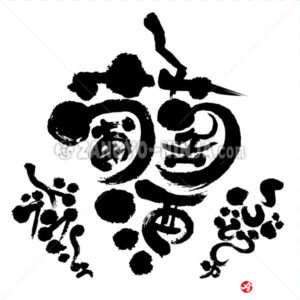
Wine is made from grapes. The shape of the grape is expressed through calligraphy. All of them read “Budoshu” and refer to grape wine, or wine in Japan. In this typographic work, the left side is written in Katakana, the center in kanji, and the right side in Hiragana, with wine written with a … Read More

Vektor
nicht bewertet $0.00$1,490.00 Lizenz auswählen

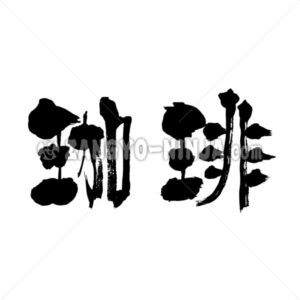
It is one of the most popular beverages in the world. It has a distinctive aroma and pleasant bitterness. Because it contains caffeine, it has a stimulant effect on the nerves. Coffee was first used as a beverage around the 6th century. Initially, coffee was popular among Arabian Muslims as a medicine to improve … Read More
Vektor
nicht bewertet $0.00$1,490.00 Lizenz auswählen
Kurkuma in Kanji - Zangyo-Ninja

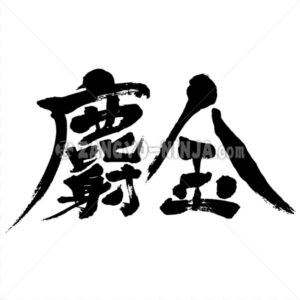
Turmeric is a member of the ginger family. It is characterized by its fragrance, bitterness, and golden color, and is used by drying its roots and stems. Besides being used as a spice in curry, it is widely used as a dye for cloth, mustard, cheese, and other food coloring. Turmeric” loved all over … Read More

Vektor
nicht bewertet $0.00$1,490.00 Lizenz auswählen
Bento in Kanji als alte Zeichenform – Zangyo-Ninja

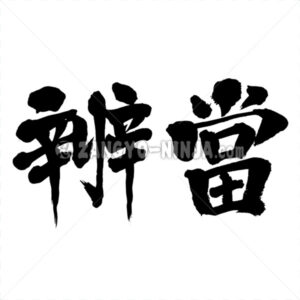
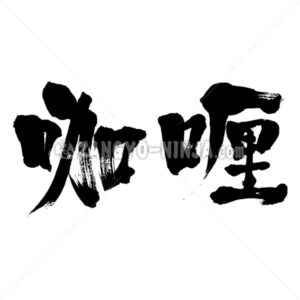
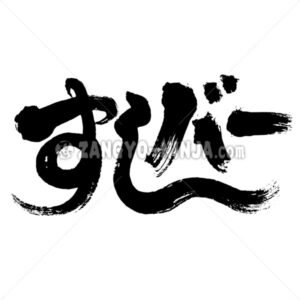
Generally, it is a portable meal consisting of rice and side dishes in a container such as a box. In some cases, rice is not used, such as in sandwiches and spaghetti. History of Bento Heian – Kamakura Period The concept of all portable food as bento goes back to the Heian period (794-1185). … Read More
Vektor
nicht bewertet $0.00$1,490.00 Lizenz auswählen
Curry in Kanji - Zangyo-Ninja

Curry is readily available at any restaurant, and it has become a national dish in Japan. The country where curry was born When most people hear the word “home of curry,” they most likely think of India. Indeed, India is the birthplace of the dish we know today as curry. However, curry does not … Read More

Vektor
nicht bewertet $0.00$1,490.00 Lizenz auswählen
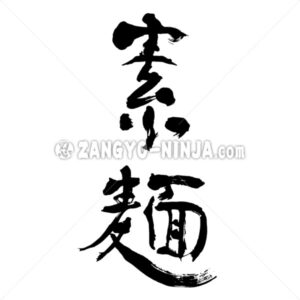
Somen in Kanji - Zangyo-Ninja

Description for Somen as Japanese noodles Thin dried noodles made from wheat flour. The original name was ‘Sakumen,’ but it seems that the character for ‘Saku’ was written with the character ‘Sakumen’ broken, and the erroneous spelling of ‘Somen’ became the name. Although it came from China, it is believed that it was in … Read More

Vektor
nicht bewertet $0.00$1,490.00 Lizenz auswählen
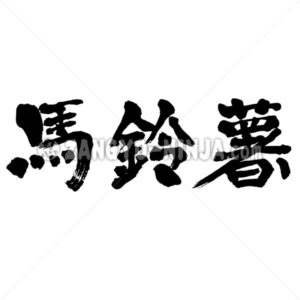
Kartoffel in Kanji - Zangyo-Ninja

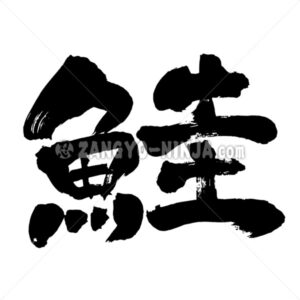
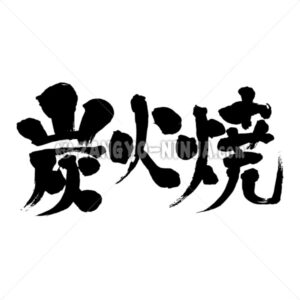
Description for Potato as foods In Japan, it is commonly called Jagaimo, and as you can see from this stock, it is also known as Bareisho, which is said to have come to be called because its shape resembles a bell worn on a horse. origin and propagation A perennial crop of the Solanaceae … Read More
Vektor
nicht bewertet $0.00$1,490.00 Lizenz auswählen
Lachs in Kanji - Zangyo-Ninja

Salmonid fish. It reaches a total length of about 1 meter. The body is a slightly elongated spindle shape. There is a greasy fin. The body color is blue-gray on the back and silvery white on the abdomen, but during the breeding season, the dorsal and lateral parts of the body turn dark green-brown, … Read More

Vektor
nicht bewertet $0.00$1,490.00 Lizenz auswählen
charcoal grilled in Kanji - Zangyo-Ninja

A dish in which the ingredients are grilled over an open flame using charcoal fire that was created using charcoal as fuel. Charcoal fire emits far infrared rays four times as much as gas, and radiant heat directly burns ingredients. In the case of gas containing hydrogen, it generates water vapor. Charcoal, on the … Read More
Vektor
nicht bewertet $0.00$1,490.00 Lizenz auswählen
corn in Kanji - Zangyo-Ninja

An annual grass of the Gramineae family. The grains are cultivated for food and industrial raw materials, and for the entire above-ground part as feed. The stem is upright and 1 to 4 meters high. Most of the nodes are 14 to 16, and there is almost no branching. Fresh, frozen (whole form, cut … Read More

Vektor
nicht bewertet $0.00$1,490.00 Lizenz auswählen
unrefined sake in Hiragana - Zangyo-Ninja

It is sake made by self-brewing, and it is basically a violation of the Sake Tax Law under current Japanese law. However, it is good for sake brewers to make this, and it is allowed at certain times. It is a state of sake that has been fermented like sake and has been brewed … Read More
Vektor
nicht bewertet $0.00$1,490.00 Lizenz auswählen
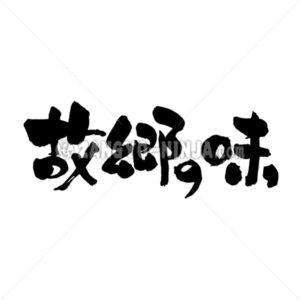
flavor of native dishes in Kanji and Hiragana - Zangyo-Ninja

In summary, dishes made with ingredients such as preserved foods, fermented foods, and seasonings that people have thought about in the process of living in the area and forming the area. Japanese said “Furu sato no aji” and “Ko kyo no aji” in Japanese Kanji and Hiragana.

Vektor
nicht bewertet $0.00$1,490.00 Lizenz auswählen

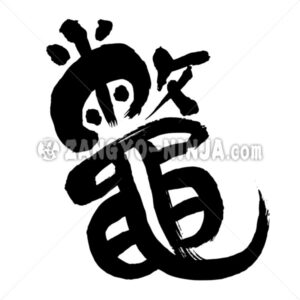
A type of turtle that lives in rivers, lakes, and swamps. It inhabits rivers throughout Japan, except Hokkaido, the Korean Peninsula, China, and the eastern Indochina Peninsula. It has a soft, flat shell about 20-40cm in length. The edible history is old, and it is said that there was even a government office that … Read More
Vektor
nicht bewertet $0.00$1,490.00 Lizenz auswählen
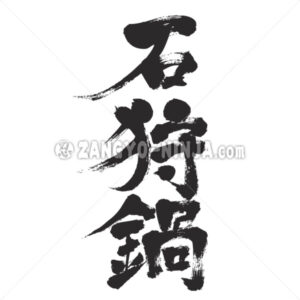
salmon and vegetable stew with miso and butter hotpod in Kanji - Zangyo-Ninja

This is a Japanese hot pot dish made with crab as a main ingredient and miso seasoned, and is a local dish of Hokkaido. Often confused with Sanpei soup using salted salmon, Ishikari Nabe uses raw salmon that is made with miso and is not salted. Japanese says “Ishi kari nabe”.

Vektor
nicht bewertet $0.00$1,490.00 Lizenz auswählen
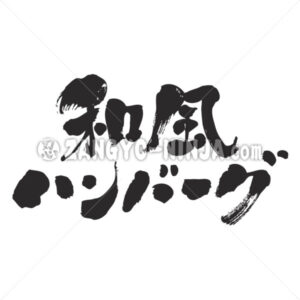
Japanische Hamburger-Spieße in Kanji und Katakana - Zangyo-Ninja

Dieses Gericht ist ein Hamburgersteak mit japanischer Würzung. Es wird in einer Sauce aus Sojasauce, Mirin und geriebenem Ingwer geschmort und mit geriebenem Rettich und Frühlingszwiebeln garniert. Was ist ein japanischer Hamburger? Ein japanischer Hamburger ist ein Gericht, das aus einer Fusion verschiedener Küchen entstanden ist … Weiterlesen
Vektor
nicht bewertet $0.00$1,490.00 Lizenz auswählen
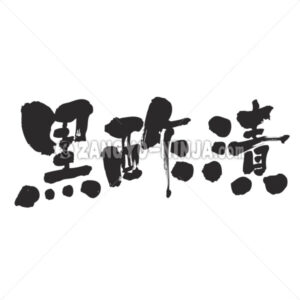
Black vinegar pickles in Kanji - Zangyo-Ninja

Food soaked in black vinegar for several hours to several days. There are few foods on the market because there are many recipes for pickling homemade vegetables. Japan call “Kuro zu zuke”.

Vektor
nicht bewertet $0.00$1,490.00 Lizenz auswählen
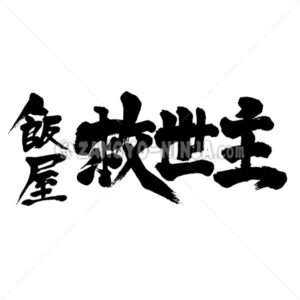
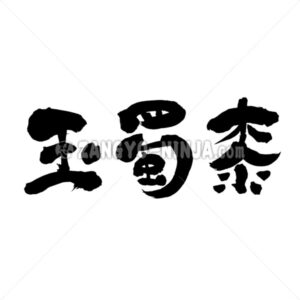
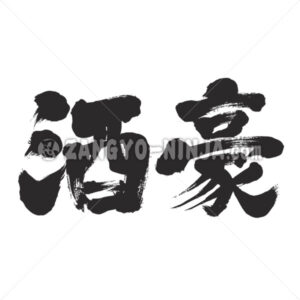
Restaurant the Messiah in Kanji - Zangyo-Ninja

Dies ist ein fiktiver Ladenname. Die vertikalen Kanji-Zeichen links, „飯屋“, bezeichnen ein Restaurant, das Reisgerichte serviert und für die Öffentlichkeit zugänglich ist. Es wird „Meshiya“ genannt. Die horizontalen Kanji rechts, „救世主“, bedeuten den Namen des Ladens. Auf Japanisch heißt er „Kyuseishu“. … Weiterlesen

nicht bewertet $0.00$1,490.00 Lizenz auswählen
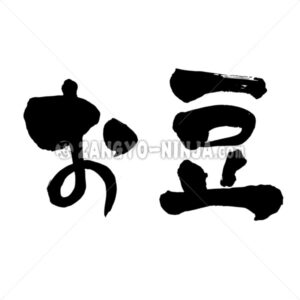
beans in Kanji and Hiragana - Zangyo-Ninja

1. Seeds of leguminous plants. In particular, it sometimes refers to soybeans. 2. Small in shape. 3. Clitoris (slang) It is polite word, Japan calls “O mame” in Japanese Hiragana and Kanji.
Vektor
nicht bewertet $0.00$1,490.00 Lizenz auswählen
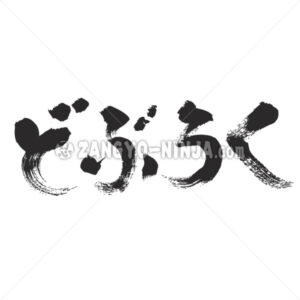
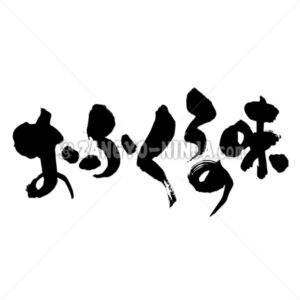
Taste of home cooking in Hiragana and Kanji - Zangyo-Ninja

A term that refers to home cooking experienced during childhood, or the taste formed thereby, and dishes that evoke them. Japan call “O fu ku ro no aji” in Japanese Hiragana and Kanji.

Vektor
nicht bewertet $0.00$1,490.00 Lizenz auswählen
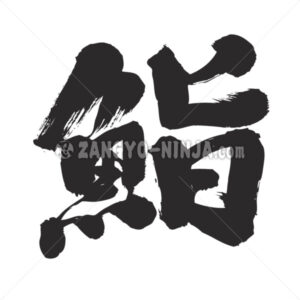
Sushi ein Zeichen in Kanji - Zangyo-Ninja

Fish seasoned with vinegar and salt mixed with fish meat and vegetables. Also, vinegared rice is served with fish and shellfish meat and other ingredients. There are many varieties.
Vektor
nicht bewertet $0.00$1,490.00 Lizenz auswählen
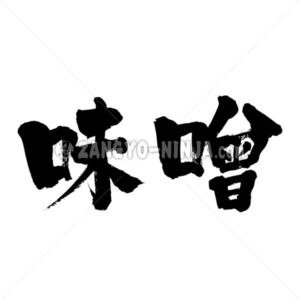
Miso Soy paste in Kanji - Zangyo-Ninja

1. One of the Japanese style seasonings. Steamed soybeans, fermented by adding salt and koji. 2. Something similar to miso in color and condition in the shells of crabs and shrimps. 3. Proud advantages. A point where the ideas and ideas were broken.

Vektor
nicht bewertet $0.00$1,490.00 Lizenz auswählen
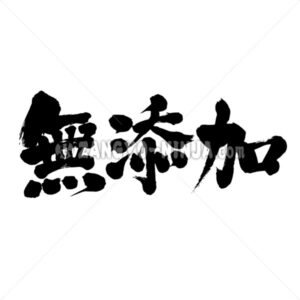
additive-free in Kanji - Zangyo-Ninja

Do not add preservatives, coloring, etc. that are not good for health to food. Japanese says “Mu ten ka”.

Vektor
nicht bewertet $0.00$1,490.00 Lizenz auswählen
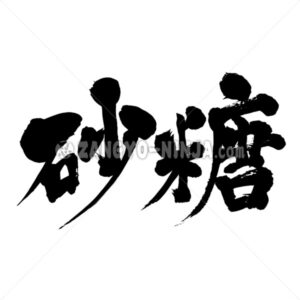
Zucker in Kanji - Zangyo-Ninja

White crystals soluble in water. Sugar cane, sugar beet etc. Used for seasoning. Simple sugars are called monosaccharides and include glucose, fructose, and galactose. Japanese says “Sato”. Sugar Ingredients It can be divided into “cane sugar,” derived from sugar cane (the main raw material), and “sugar beets,” derived from sugar beet. Both cane sugar … Read More
Vektor
nicht bewertet $0.00$1,490.00 Lizenz auswählen
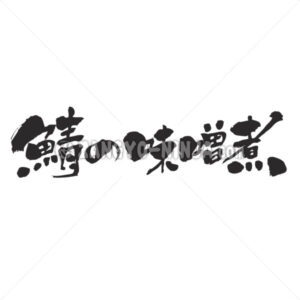
mackerel cooked with miso in Kanji - Zangyo-Ninja

Japanese fish dishes in which mackerel fillets are simmered with seasonings such as miso. The basic recipe is to simmer mackerel with miso and sugar, sake, mirin and ginger. One of the representative ones of Japanese mackerel dishes. Japan call “Sa ba no mi so ni”.

Vektor
nicht bewertet $0.00$1,490.00 Lizenz auswählen
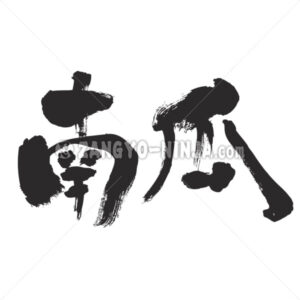
pumpkin in Kanji - Zangyo-Ninja

Description for Pumpkin Pumpkin is a general term for fruit vegetables belonging to the genus Cucurbita within the family Cucurbitaceae. While native to the Americas, the primary production areas are China, India, Ukraine, Africa. Wild species of the genus Cucurbita are distributed only in the New World, with most occurring in Mexico and Central … Read More
nicht bewertet $0.00$1,490.00 Lizenz auswählen
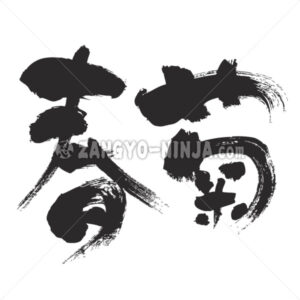
garland chrysanthemum in Kanji - Zangyo-Ninja

Asteraceae annual or biennial grass. The height is 20 to 60 cm. The leaves have deep cuts and are soft. Open yellow or white flowering head from summer to autumn. The aroma is high and is grown as food. Japanese calls “Shun Giku”.

Vektor
nicht bewertet $0.00$1,490.00 Lizenz auswählen
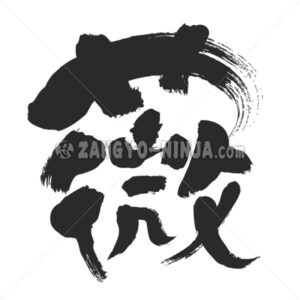
osmund in Kanji - Zangyo-Ninja

any fern of the genus Osmund: large ferns with creeping rhizomes. Eats shoots in Japan. One of the typical wild plants that makes you feel spring. It grows naturally in the mountains of Japan, and the young shoots picked in early spring are edible. In general, dried Osmund, which is a dried boiled product, … Read More

Vektor
nicht bewertet $0.00$1,490.00 Lizenz auswählen