
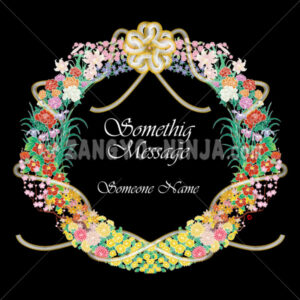
Dies ist das Original. Ich habe bereits ein Werk mit einem Mizuhiki-Design im Kemomimi-Stil gezeigt, aber dieser Blumenkranz ist meine eigene Kreation. Die Mizuhiki auf beiden Seiten sind symmetrisch und unverändert, und die Blumenarten sind größtenteils dieselben; nur die pflaumenförmige Mizuhiki oben in der Mitte ist anders positioniert. Dies ist … Weiterlesen
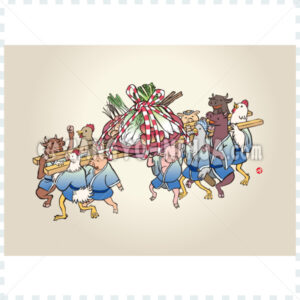
Dies ist die zweite Illustration im handgezeichneten Stil. Die erste ist hier zu sehen. Sie stellt ein Fruchtbarkeitsfest dar. In Japan finden solche Feste häufig, vor allem im Herbst, statt. Es ist ein Fest zur Feier einer guten Ernte und wird daher zur Zeit der Reisernte gefeiert… Weiterlesen
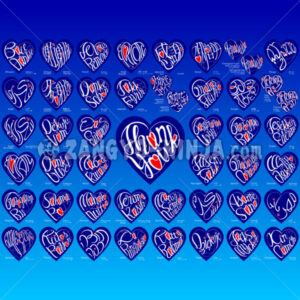
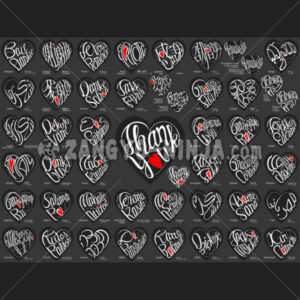
Dieses Werk enthält für jede Sprache ein Herz. In 44 Sprachen ist das Wort „Danke“ formell oder höflich, oder es drückt mehr Nachdruck aus als ein allgemeines „Danke“, wodurch es sich für Familie, Freunde und auch für weniger nahestehende Personen eignet. „Kokoro“ ist Japanisch für „心“, ein Wort, das … Weiterlesen

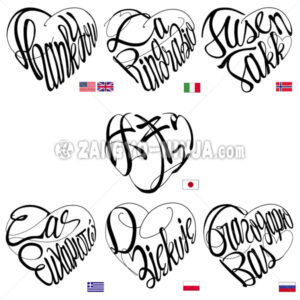
Dies ist eine typografische Arbeit, die das Gefühl von „Danke“ in englischer, italienischer, norwegischer, polnischer, griechischer, russischer und japanischer Katakana-Schrift ausdrückt. Das Thema lautet „Herz der Dankbarkeit“. Die englische Version ist anders gestaltet. Die einzeilige Version lautet „Thank you in English“. Die zweizeilige Version finden Sie unter … Weiterlesen
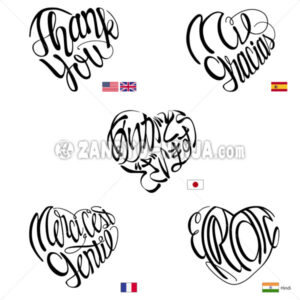
Thank you is expressed in English, Spanish, French, Indian Hindi and Japanese Hiragana as a heart-shaped writing style. And theme is “Heart of Gratitude”. It corresponds to the Japanese honorific of gratitude, “Arigatou Gozaimasu”. The basic hiragana “arigatou” is shown here, but “gozaimasu” is added after it to show respect. This is the current … Read More
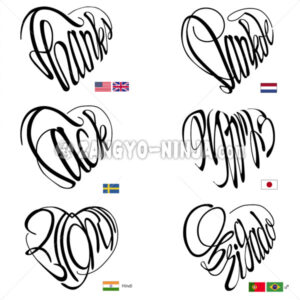
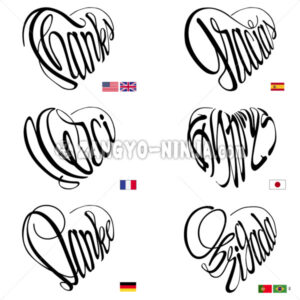
Thanks is expressed in English, Spanish, French, German, Portuguese and Japanese Hiragana as a heart-shaped writing style. And theme is “Heart of Gratitude”. The Japanese phrase “thanks” is written in a basic form. This Japanese phrase “arigatou” is the basic form of the word “thanks”. Although there are ways to write it that include … Read More
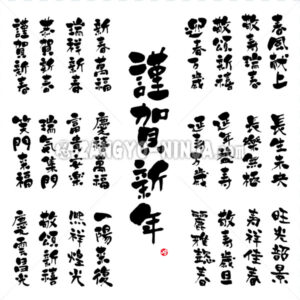
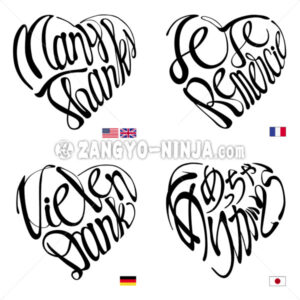
Many thanks is expressed in English, French, German, and Japanese Hiragana as a heart-shaped writing style. And theme is “Heart of Gratitude”. The Japanese phrase “many thanks” is written in a modern way In Japanese, it is “Meccha Arigatou”. This is also written entirely in hiragana. “Arigatou” is equivalent to ‘Thanks’ in English, as … Read More
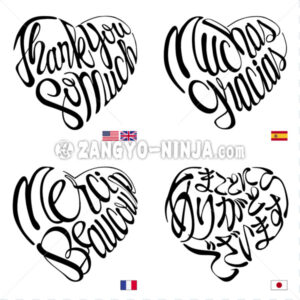
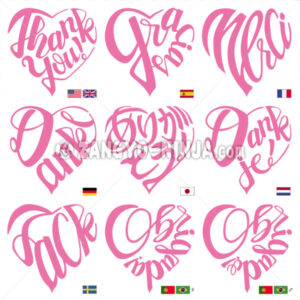
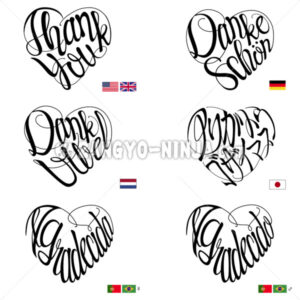
Dies ist eine herzförmige typografische Darstellung des Wortes „Danke“ in Englisch, Spanisch, Französisch, Deutsch, Japanisch (Hiragana), Niederländisch, Schwedisch und Portugiesisch. Da im Portugiesischen zwischen männlichen und weiblichen Wörtern unterschieden wird, gibt es insgesamt neun verschiedene Designs in acht Sprachen. Herzförmiges Design: Haben Sie jemals vergessen, sich zu bedanken, wenn jemand … Weiterlesen
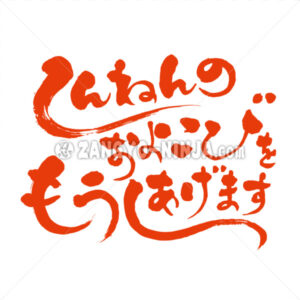
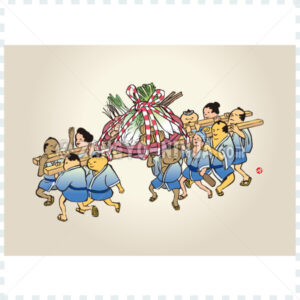
This is a contemporary illustration drawn in brushstroke style. In Japan, there are invisible dwarfs. There is a Japanese folktale about a dwarf called “Issunboushi” who exterminates demons. There is also a world fairy tale about “Seven Dwarfs” who save a princess in a castle. Where do these dwarfs come from and what do … Read More
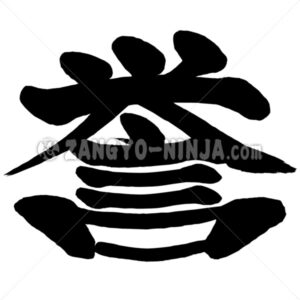
Description for Honour, Honor To feel honored when someone praises you. get a good reputation. Praise. to congratulate. An air-cooled engine for aircraft manufactured by Nakajima Aircraft and delivered to the Army and Navy during the Pacific War. It was developed as a 2000 horsepower class engine based on the Sakae engine installed in … Read More
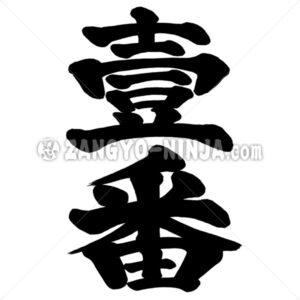
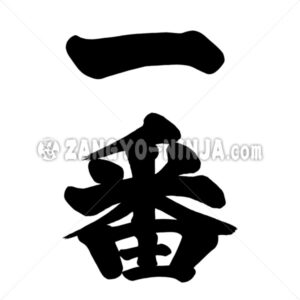
The top in Japanese has various ways of writing it, and this is one example. The beginning of the order and the top of the order. It is also used to mean the most. The first or highest in order or sequence. The meaning of the first element in the series that can be … Read More
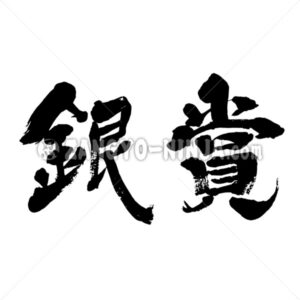
Description for Silver prize Second place in an exhibition or competition, following the gold prize. Specifically, this ranking system—where gold represents first place, silver second place, and bronze third place—is commonly used in contests and competitions.
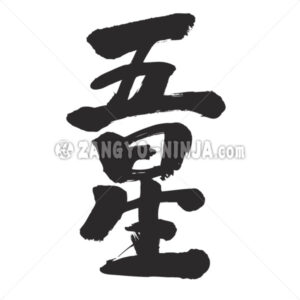
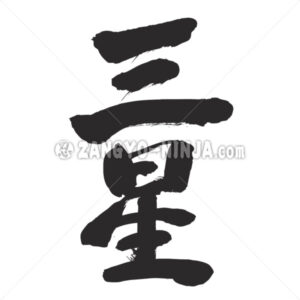
1. Three stars. Also, something like that. 2. In terms of grade and rating, evaluate on a three-point scale from one star to three stars. Or such a rating system. 3. The highest evaluation in the evaluation system that evaluates in 3 stages. Japanese calls Mitsu-boshi
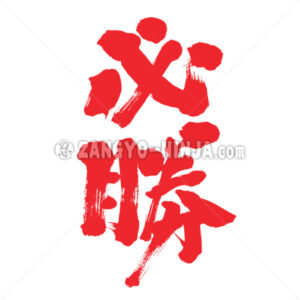
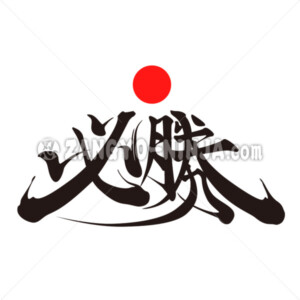
Be sure to win. Wish to win by all means. In Japan, you can see a headband that says it is a victory for watching sports, and a Japanese supporter who cheers on a banner, which Westerners are familiar with. Japanese says “Hissho”.