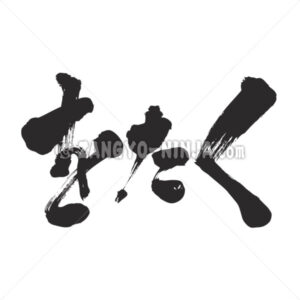

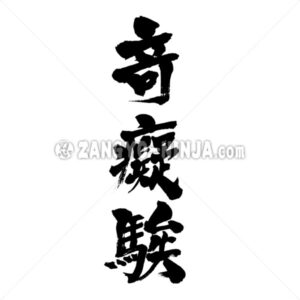
Read as Kichigai, this reading has two meanings. To be in an unusual state of mind, to speak or act in a manner that is not normal. To lose one’s mind. To be abnormally absorbed in one thing. Also, the person. Mania. This is a coined kanji character It reads “Kichigai,” originally written in … Read More

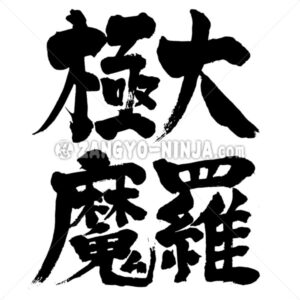
It is two horizontal lines with a total of four kanji characters. The top line is a Kanji character meaning extremely large, and the bottom line is slang for penis. The bottom line reads “Mala” in Japanese The etymology of the word is “something that hinders Buddhist practice and deceives the human mind.” and … Read More
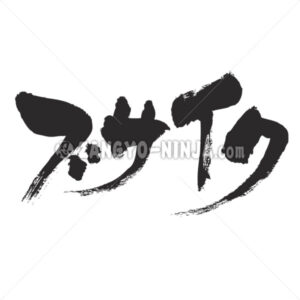
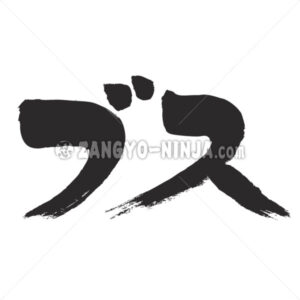
It refers to the appearance and appearance of ugliness and inferiority. Originally, he said that the work (crafts) was poor. In turn, it refers to things that are generally unsightly or unfavorable. In addition to that, it is also included in slander. Japanese said “Busaiku” in Katakana.

A derogatory Japanese slang term that refers to inferior appearance and impression. Ugly woman’s face. Also that woman. The word to curse a woman. Japanese said “Busu” in Katakana. There is a theory about the etymology, but it is said to be an “Shujo” “Shikome”. Also, the root of aconite is called “bushi”, which … Read More
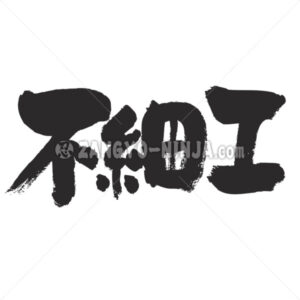
1. The work is not good. Bad workmanship. 2. It doesn’t look good. 3. The appearance is not sharp. Awkward. Japanese says “Bu sai ku”.

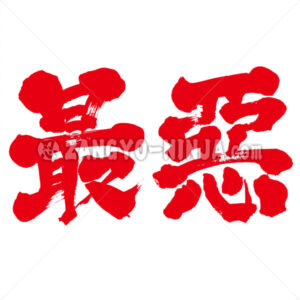
Description for worst and too bad “Worst” refers to the most unfavorable state or condition. It is a word that describes the lowest degree of something, representing the most unpleasant or unfortunate situation.
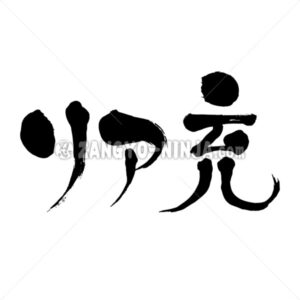
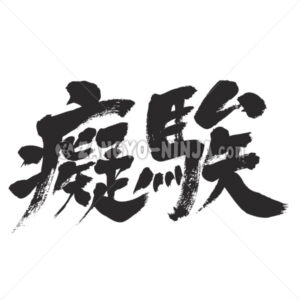
This is a word that originated on the internet. The term itself spread and became widely recognized around 2005 on 2channel, and was originally a neologism coined by those who spent most of their time in online communities to self-deprecatingly express that their real-life lives were not fulfilling. It was originally called “real-life fulfilling … Read More


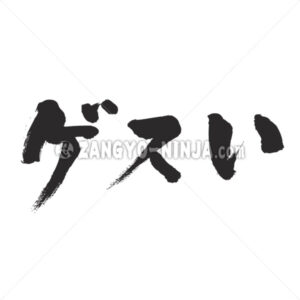
A person who is low-hearted. A low-ranking person. Because it is a slang term, it is not used in clever places such as business. Japan call “Ge su i” in Katakana and Hiragana.

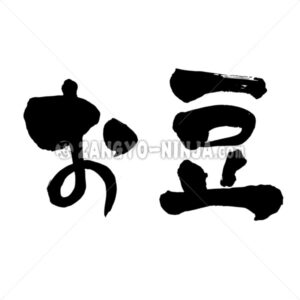
1. Seeds of leguminous plants. In particular, it sometimes refers to soybeans. 2. Small in shape. 3. Clitoris (slang) It is polite word, Japan calls “O mame” in Japanese Hiragana and Kanji.
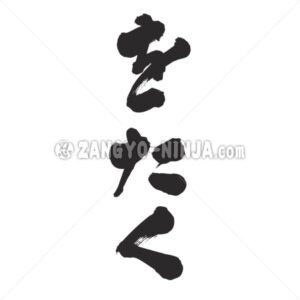
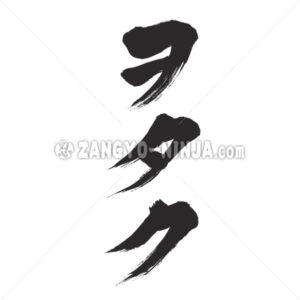
A designation for people who are too inclined to their favorite things or areas of interest. It is a person who is enthusiastic about a certain thing much more than ordinary people. It’s in Japanese Hiragana vertically. It is normal notation to use “お” for the first letter, but in net slang and otaku … Read More

A designation for people who are too inclined to their favorite things or areas of interest. It is a person who is enthusiastic about a certain thing much more than ordinary people. It’s in Japanese Katakana vertically. It is normal notation to use “オ” for the first letter, but in net slang and otaku … Read More
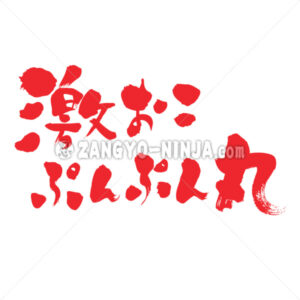
This is a coined word that has become popular among young people in Japan in recent years. This mean very angry, I’m so angry in combined Japanese Kanji and Hiragana. Japanese calls “Geki o ko pu n pu n maru”.

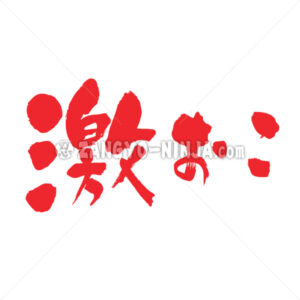
This mean angry, I’m angry. This is a coined word that has become popular among young people in Japan in recent years. Japanese calls “Geki o ko”.

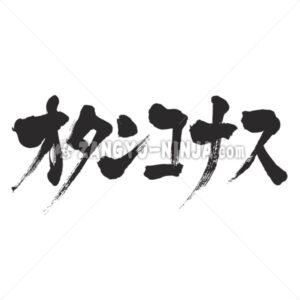
This is a word that speaks of stupid and slow people. In the words from “Otanchin”, the prostitutes were calling about bad customers. It seems that there are various reasons for having become an “Otankonasu”.

In terms of strong interest and interest, otaku are no different from mania, intellectuals and scholars. An opinion that in the case of a socially unacceptable, or an assessor’s personally unacceptable hobby, an appearance or behavior or appearance, it is called a prejudice or a negative nerd, or a mania when expressing favorably Can … Read More
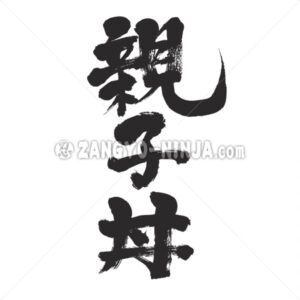
1. Gebratenes Hühnchen mit Zwiebeln, Shiitake-Pilzen usw. wird zusammen mit Hühnereiern auf einer Schüssel Reis gekocht. Man sagt, der Brauch sei etwa Mitte der Meiji-Zeit entstanden. Eltern (Oya) und Kinder (Ko) bedeuten Huhn und Hühnereier. 2. Körperliche Auseinandersetzungen zwischen Mutter und Tochter. Außerdem … Weiterlesen

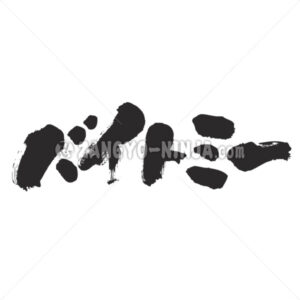
It is transliterated for Japanese Katakana. 1. With the upper and lower teeth, they crush and crush things. 2. In between the upper and lower teeth, it hurts. 3. The teeth of the two gears are aligned. 4. The water of the sea and the river rushed up. 5. Join as a companion. To … Read More

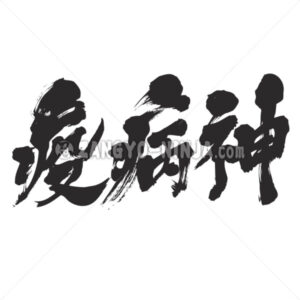
The god who causes the plague. Metaphorically, a person who is discouraged from people. Japanese says “Yaku byo gami”.

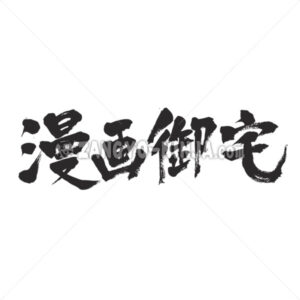
The word “otaku” is often used as a slang. A designation that refers to people who are extremely inclined to their favorite things or areas of interest. This meaning, many Manga in your home. First of all, there is no kanji called Otaku. This is coined word in Kanji.
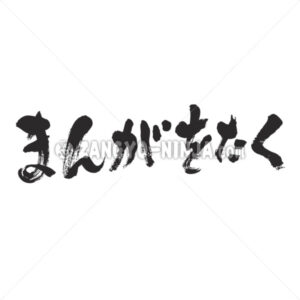
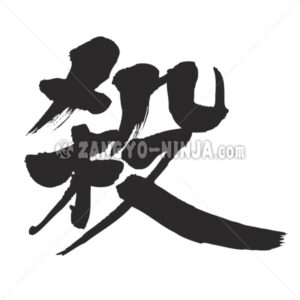
A designation that refers to people who are extremely inclined to their favorite things or areas of interest. The word “otaku” is often used as a slang. In this case, a person with unusual interest or hobbies in Manga.


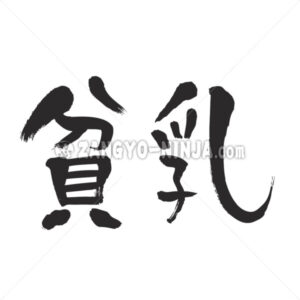
Women and their chests where chest swelling is not noticeable. It is often referred to as slang. Japan call “Hin nyu”.

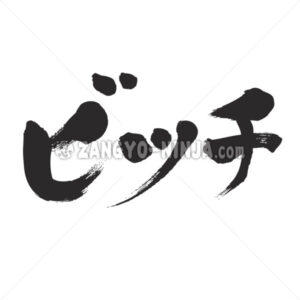
1. female of any member of the dog family. 2. informal terms for objecting. 3. a person who is thoroughly disliked. 4. an unpleasant difficulty. It’s in Japanese Kata-kana.
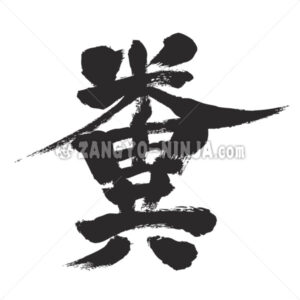
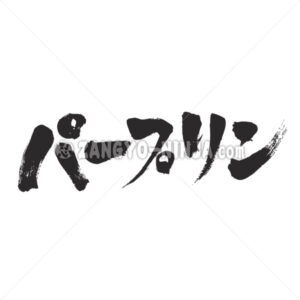
stool,dung,dropping,droppings,feces, excrement. a stupid foolish person. obscene terms for feces. fecal matter of animals. Japanese says Kuso, Fun, Baba.


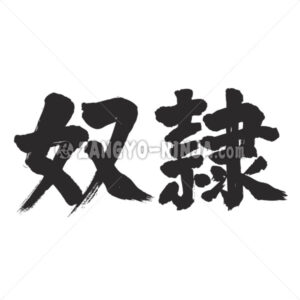
someone entirely dominated by some influence or person. someone held in bondage. in a subordinate position. Japanese says Do-Rei.

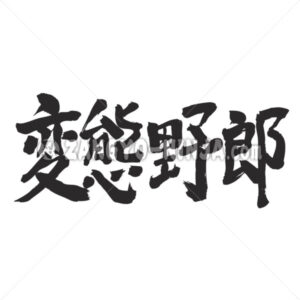
A man who likes insane things, makes insane wordings, and significantly disturbs coordination. Japan call “Hen tai ya ro”
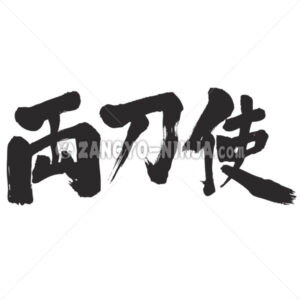
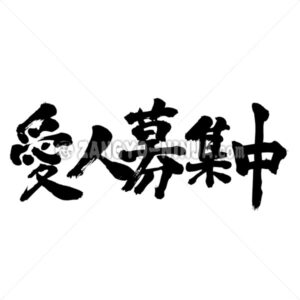
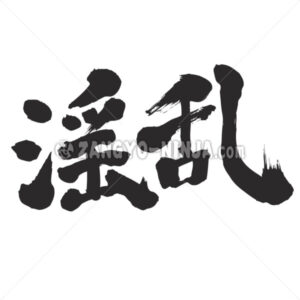
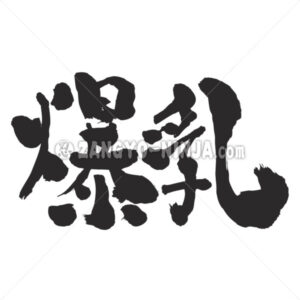
Being sexually disturbed by wanting obscene deeds. A person who takes even immoral behavior for his own sexual desire (lust). It is more often used for women than men. However, in the classics, it is used to mean spending a degree. Japanese calls “In Ran”.