

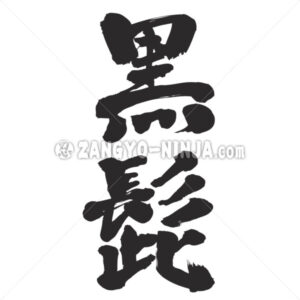
Japanese says Kuro-Hige. Person who grew black beard. an English pirate who operated in the Caribbean and off the Atlantic coast of North America.
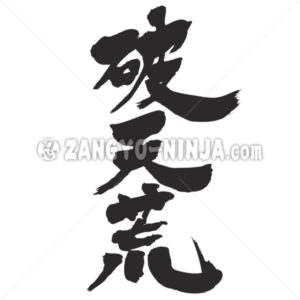
Doing things that no one has ever done. Breaking through unprecedented boundaries. Many Japanese people mistakenly think that they have a bold personality. In Japanese, It’s called “Ha Ten Ko”.
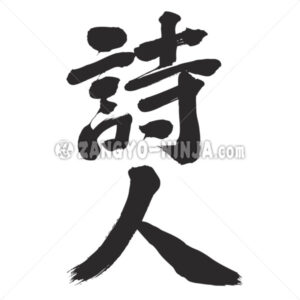
a writer of poems that the term is usually reserved for writers of good poetry. Japanese says “Shi jin”.
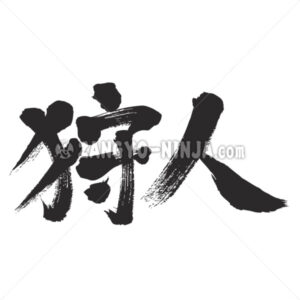
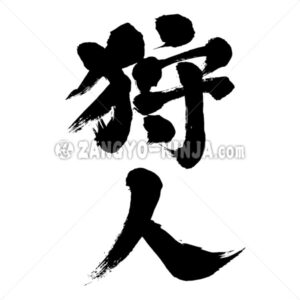
A person whose profession is to catch birds and beasts in the fields and mountains. A person who chases prey when hunting. Japanese says Kariu-do, Karyu-do.
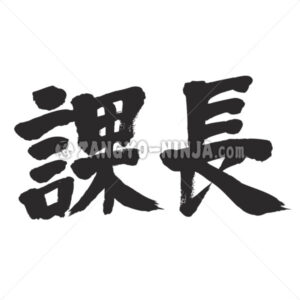
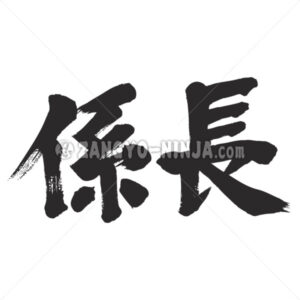
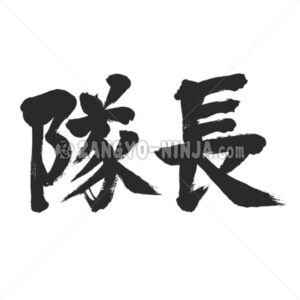
A group leader is the head of an organizational unit called a group in an organization, a group, or a school. Position mainly used in companies, government offices, etc. 1. One of the middle managers of companies and corporations. It corresponds to the section chief or manager. 2. It is a leader of a … Read More
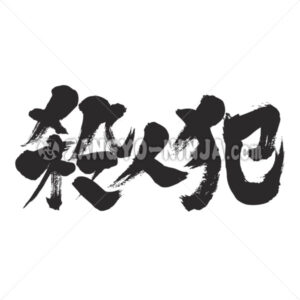
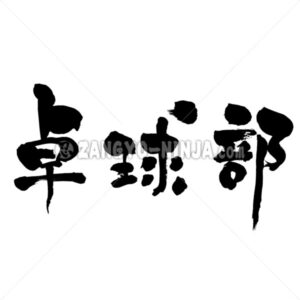
Tischtennis ist eine sehr wettkampforientierte Sportart, die offiziell zu den Olympischen Spielen gehört, obwohl alle freundschaftlich verbunden sind. Eine Gruppe, die diesen Sport spielt. Tischtennis ist eine offizielle olympische Disziplin. Japanisch sagt man „Ta kyu bu“.
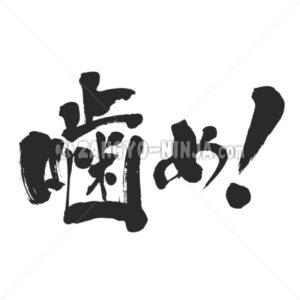
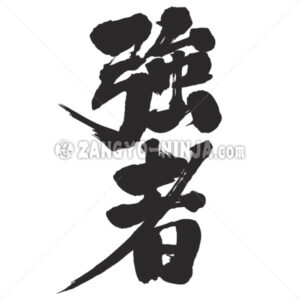
A parson of strength. Political leaders and dictators who rule with power. Japanese says “Kyo sha”, “Tsuwa mono”.
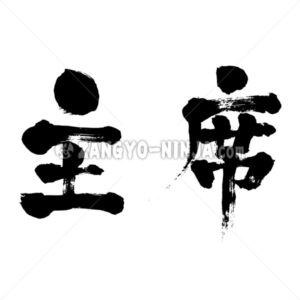
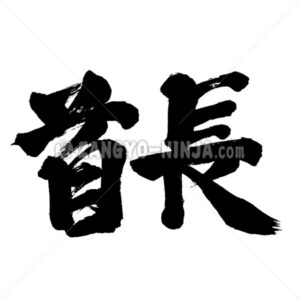
1 the leader of a group of people. 2 the head of a tribe or clan. 3 the head administrative officer of a college or university.Japan calls shu-seki.
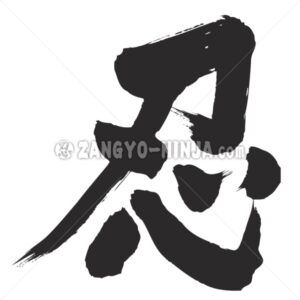
Japanese Kanji for Nin, Shinobu and Shinobi that is first letter Ninja endurance, forbearance, patience, self-restraint. one Japanese name Shibobu. Meaning of this Kanji (1) To suppress one’s feelings. To avoid expressing painful feelings. (2) To make one’s actions inconspicuous. To avoid publicity by hiding. (3) To be patient.
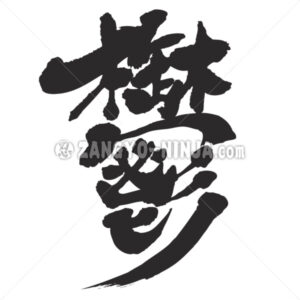
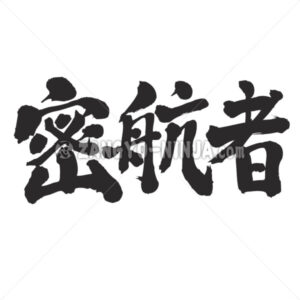
a person who hides aboard a ship or plane in the hope of getting free passage. It is said Mi-ko-sha in Japanese.
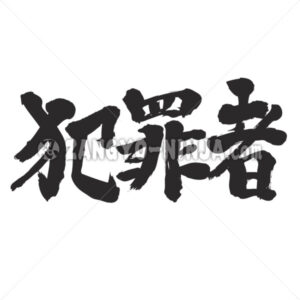
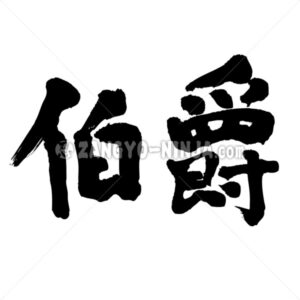
1. a nobleman (in various countries) having rank equal to a British earl. 2. a British peer ranking below a marquess and above a viscount. Japanese says haku-shaku.
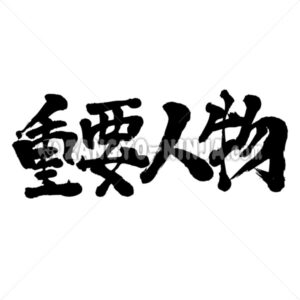
Description for VIP A person whose actions or opinions exert a strong influence on matters Influential figure, person of character, prominent figure A highly influential and reputable person Great person, major figure A person who plays a crucial role in matters Key figure, key person, pivotal figure, key player, important person A person with … Read More