

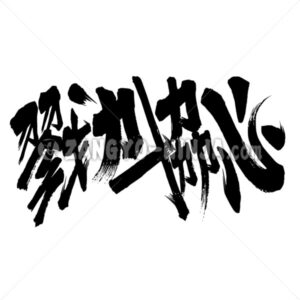
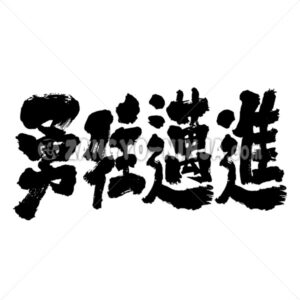
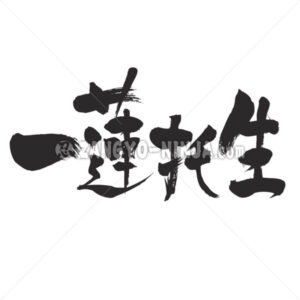
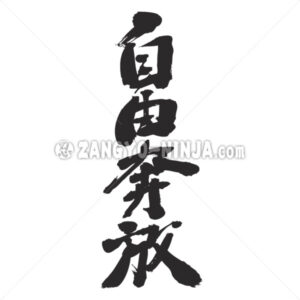
Dies ist ein typischer japanischer Anfeuerungsruf. Er bedeutet, mutig und geradlinig voranzuschreiten, also sich mit ganzem Herzen und ohne Zögern seinem Ziel zuzuwenden. „勇往“ (yūō) bedeutet, ohne Zögern voranzuschreiten. „邁進“ (maishin) bedeutet, schnell und furchtlos voranzuschreiten. Im Japanischen werden ähnliche Bedeutungen manchmal durch die Kombination verschiedener Kanji (oder … Weiterlesen)
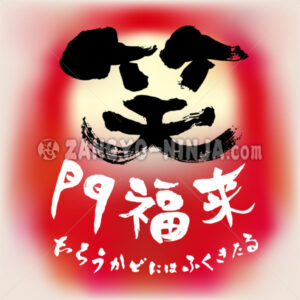
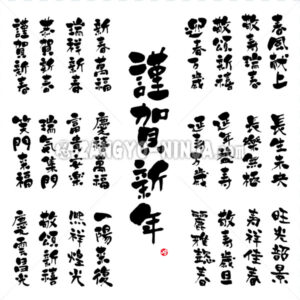
Handwritten and designed greetings for 25 types of New Year’s cards in Kanji. There are 2- and 4-character New Year’s greetings, which are words that are also used as 4-character phrases. (Some of them are not idioms and are not found in dictionaries.) Four-letter New Year’s greeting cards are considered to be used not … Read More
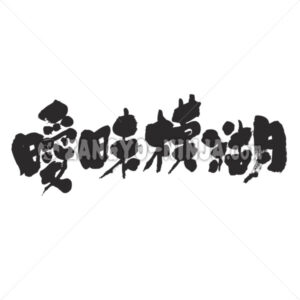
Beschreibung für „Obscure as four-letter idioms“: Es ist ein Wort, das man benutzt, wenn man sich in einer unklaren Situation befindet und nicht genau weiß, was man meint. Zum Beispiel, wenn man nicht sicher ist, ob eine Romanze im Gange ist oder ob man einfach nur befreundet ist. Im Japanischen sagt man „Aimai-moko“ als vierbuchstabige Redewendung … Weiterlesen
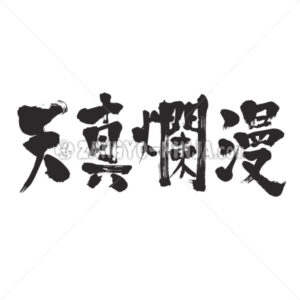
Explanation of simple and innocent An expression that means innocent and unpretentious. The innocent “天真” means the nature of nature. “爛漫” means shining. The origin of the word is said to be the expression originally used to describe a flower painting as a “no-frills fine work”. Basically, it is used as a compliment with … Read More
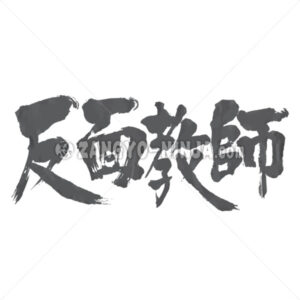
A sample of the bad side, a person or case that tells you that it shouldn’t happen when you look at it. People and cases that can be a source of reflection by seeing it. Japanese calls “Han Men Kyou Shi”.
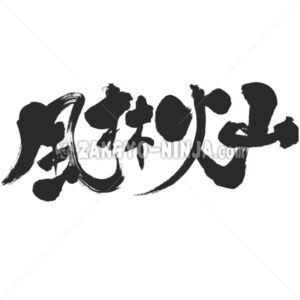
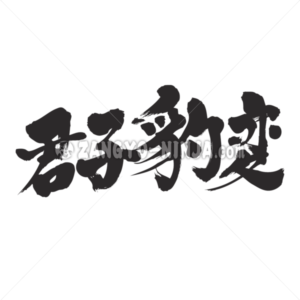
Nowadays, it is used in a negative way, saying, “A person who has a good point will immediately change his attitude and abandon his principles and ideas.” However, originally, it is a positive four-character idiom that “a good person immediately corrects his mistakes and quickly goes for the better.” Japanese calls Kun-shi-hyo-hen.
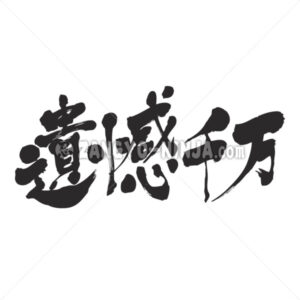
Things don’t come to my mind, and I’m sorry to be dying. It’s very regrettable. Japanese says “i kan sen ban”.
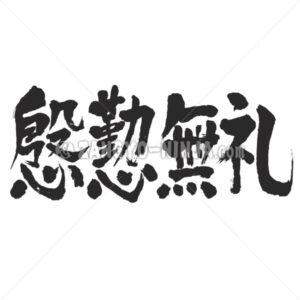
Being very polite and polite means that if you pass it, you will hate it and you will lose your courtesy. Also, although seemingly polite and polite, it is actually arrogant. Japanese says “in gin bu rei”.
A man/woman who crying in extreme pain and seeking salvation. Very miserable and ugly. The situation was such that the deceased fell into hell and could not bear the torment and cried out loud. Annoying hell and screaming hell in Buddhism. Both are one of the eight great hells. It may also refer to … Read More
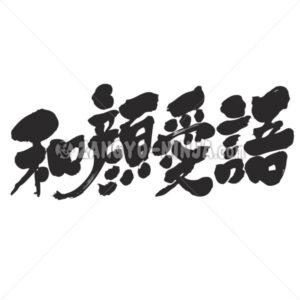
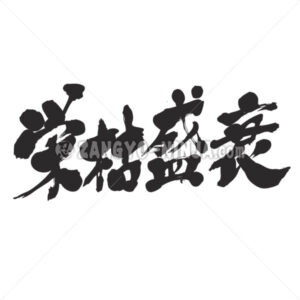
Prospering and declining. It refers to the faintness of a world of people who prosper and decline. Japan call “Ei ko sei sui”
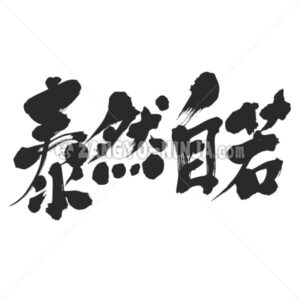
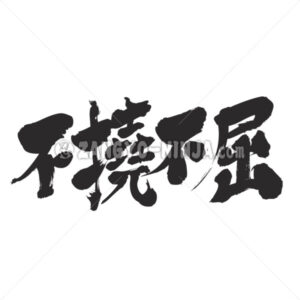
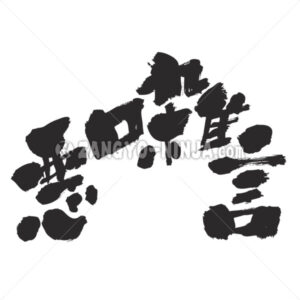
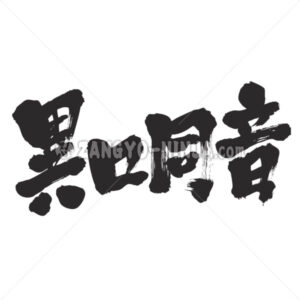
Many people all say the same thing in a row. That many people agree. Japan call “I ku do on” as four characters idiom in Kanji.
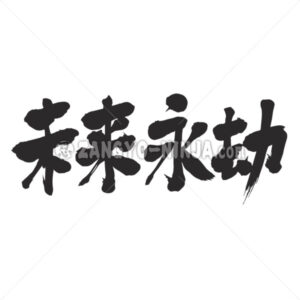
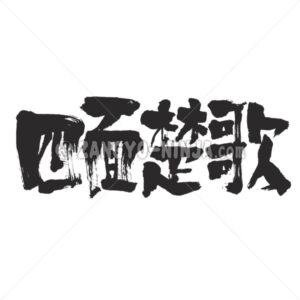
A parable of being isolated and surrounded by enemies and not asking for help. There is no friend around, the situation where only around is an opponent. Japanese says “Shi men so ka”.
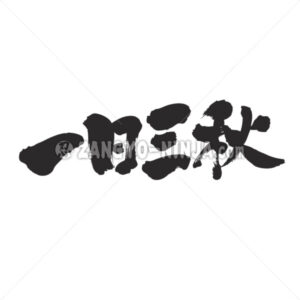
The feeling of thought is very strong. Also, a parable of having a feeling that a person or a thing wants to come early. Japanese says “Ichi niti san shu”.
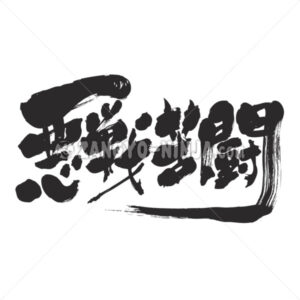
Make an effort with all your heart while suffering in a very difficult time. It is said that it is difficult to fight against a strong enemy and fight painfully. Japanese says “Aku sen ku to”.