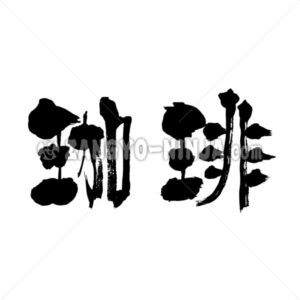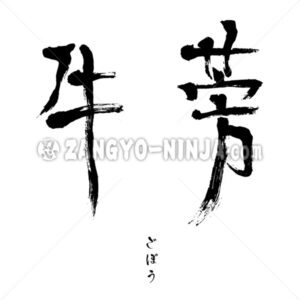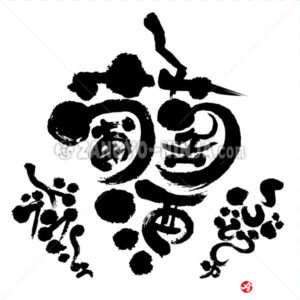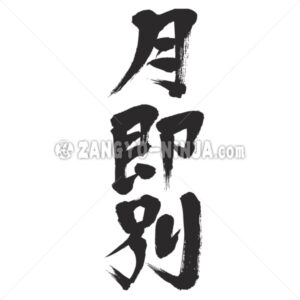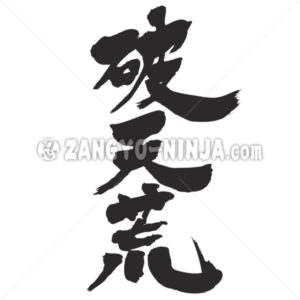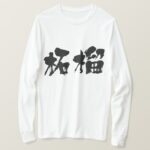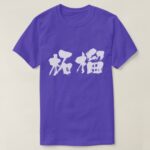

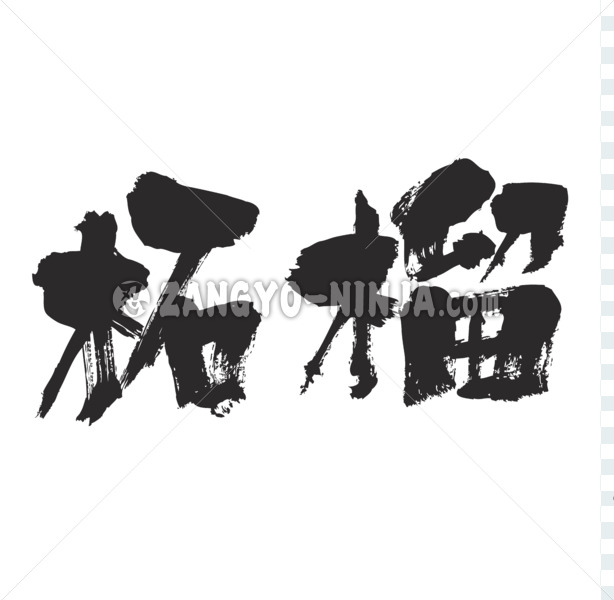

large globular fruit having many seeds with juicy red pulp in a tough brownish-red rind. Japanese says Zakuro.
It has long been called “women’s fruit” and is said to be effective for beauty and health. Because the seeds are tightly packed inside the fruit, it has been considered a symbol of “fertility” and “prosperity of offspring” throughout the world.
“Pomegranate” is a small deciduous tree belonging to the pomegranate family. Typical production areas include California, Iran, and Chile in the United States. It is also produced in small quantities in Yamanashi and Wakayama prefectures in Japan. Around May, red, white, and orange flowers bloom. When ripe, the fruit splits open and spills out its grainy seeds. The “pomegranate” fruit season is from September to November.
Language of the flower “Pomegranate”
1: Union, protection of offspring
The boxwood is characterized by its bright red fruit with tightly packed seeds. Its shape has long been a symbol of “prosperity of offspring” and “fertility. The words “union” and “protection of offspring” may be derived from the historical background of boxwood in the language of flowers.
2: Foolishness
The language of flowers here is based on an anecdote from Greek mythology. Hades, king of the underworld, fell in love with Persephone, daughter of Demeter, goddess of fertility. Hades forcefully took her to the underworld, where Persephone inadvertently ate a fruit called boxwood.
Later, her mother Demeter appealed to Zeus, the almighty god, and Persephone was able to return to the heavenly realm. However, there was a rule that anyone who ate food in the underworld had to live in the underworld, and Persephone, who ate six boxwoods, had to spend six months out of a year in the underworld. This anecdote is the origin of the word “foolishness.
3: Mature elegance, mature beauty
Boxwood has a mature charm that evokes the image of an adult woman. The fruit turns red with the passage of time and eventually ripens to reveal the seeds inside. Perhaps people in the past also felt “mature beauty” in this appearance.