
About Shinjuku town
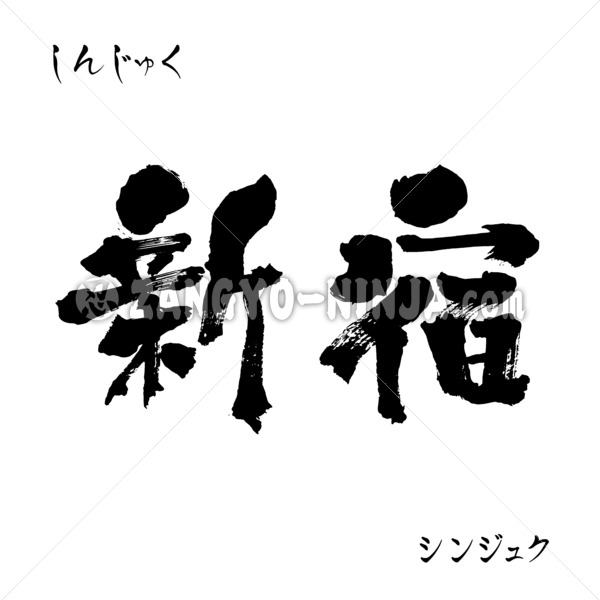
Shinjuku is the name of a town in Shinjuku-ku, Tokyo. It is also the common name for the area around Shinjuku Station, including the adjacent Nishi-Shinjuku and Kabukicho areas.
What kind of place is Shinjuku?
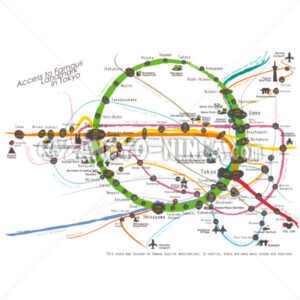
Shinjuku is a well-known representative city of Tokyo and one of the “three major subcenters” along with Shibuya and Ikebukuro. These three unique cities, Shinjuku, Shibuya, and Ikebukuro, have a different presence from the three central wards of Tokyo, Chiyoda-ku, Minato-ku, and Chuo-ku, which are known as the three wards of central Tokyo.
The average number of passengers at Shinjuku Station is approximately 3.5 million per day, which is the highest in the world! This is also a Guinness record. It is a huge terminal with 11 train lines, including JR, subway, and private lines.
One of the most popular entertainment areas in Japan. A shopping area loved by people of all ages.
The east side of the station is one of the most popular entertainment areas in Japan, including Kabukicho. Although you would expect to find only drinking establishments, the number of entertainment facilities has been increasing recently, making it a playground for adults.
The south side is a quiet residential area with many detached houses, although the area is not that wide. Yoyogi Station is also available, making it an easy area to live.
The north side is located near the Korean town Shin-Okubo. It is popular among young women for its cafes and gourmet food of Korean origin. Further north of Shin-Okubo are the calm residential areas of Nishi-Waseda and Shimo-Ochiai.
What is the origin of the name Shinjuku?
Originates from a newly built post station on the Koshu-kaido Highway
In 1603 during the Edo period (1603-1868), Ieyasu Tokugawa established five highways starting from Nihonbashi. These were the Tokaido, Nakasendo, Nikko Kaido, Oshu Kaido, and Koshu Kaido, and each highway had its own inns. The Koshu Kaido, leading from Nihonbashi to Kofu, was a long and difficult road for travelers to travel to Takaido, the first inn. In 1698, a new post was established halfway between Nihonbashi and Takaido, marking the beginning of Shinjuku.
The original name was “Naito Shinjuku.
The name “Naito Shinjuku” was originally derived from the fact that the area where the inn was built was originally the residence of the Naito clan, the feudal lord of the Takato domain in Shinano. The area where the shogun’s residence was located is now Shinjuku Gyoen, and Tamamo Pond, which used to be a pond within the residence, can still be seen today if you visit Shinjuku Gyoen. The area around the present Shinjuku Street flourished as an inn town.