
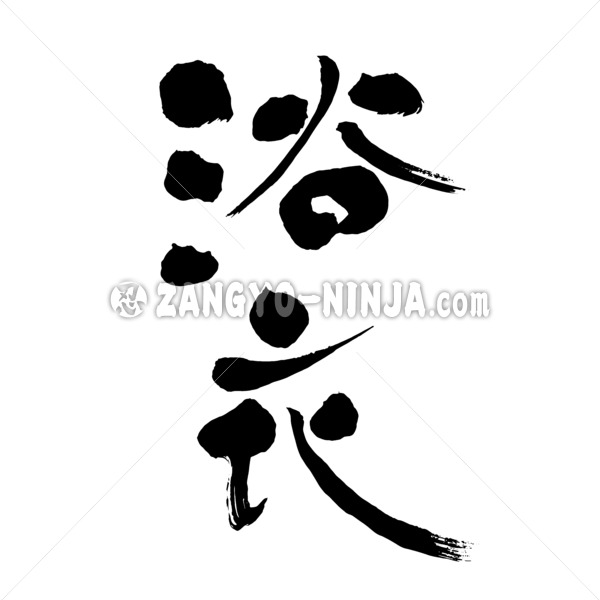

Description for Yukata clothing
Yukata was originally used by aristocrats in the Heian period (794-1185) when they entered steam baths,
to avoid burns from the steam.
The yukata is said to have originated in the Heian period, when aristocrats wore “yukatabira” made of hemp to prevent burns from the steam.
to avoid burns from the steam.
The yukata is said to have originated in the Heian period, when aristocrats wore “yukatabira” made of hemp to prevent burns from the steam.
As time went by, the yukata became the clothing worn after bathing, and the term “yukata” was also used.
In the Edo period (1603-1867), when common people began to go to public baths, they began to wear yukata after bathing, as they were well-ventilated and absorbed sweat.
Soon the comfortable yukata became established as the go-to summer wear.
Today, yukata are worn at festivals, firework displays, and on pleasure boats as attire for summer events.
Today, yukata are worn at festivals, firework displays, and on pleasure boats as attire for summer events.
Difference between Yukata and Kimono
Difference in the time of year and occasion for wearing a yukata
The first difference between a yukata and a kimono is the difference in when and where they are worn.
A yukata is generally worn at summer events such as summer festivals and fireworks displays as an “outing wear” to feel cooler.
A yukata is generally worn at summer events such as summer festivals and fireworks displays as an “outing wear” to feel cooler.
On the other hand, kimonos are sometimes worn in summer, but because kimonos require wearing underwear and long underwear and tabi (socks), they feel hot even if they are made of light summer fabric.
Kimonos are also considered “formal wear” or “fine clothes” and are worn for celebratory occasions such as weddings and parties, Hatsumode, Shichigosan, and coming-of-age ceremonies.
Kimonos are also considered “formal wear” or “fine clothes” and are worn for celebratory occasions such as weddings and parties, Hatsumode, Shichigosan, and coming-of-age ceremonies.
Difference in fabrics and materials
The second difference between a yukata and a kimono is the difference in fabrics and materials.
Yukata worn during the hot season are generally made of cotton, linen, or polyester. There are also yukata made of mixed fabrics such as cotton and linen, and many yukata made of polyester are on the market these days.
Cotton and linen are materials that absorb sweat and moisture well, and yukata are made of such materials.
Kimonos, on the other hand, are made of silk, the highest quality fabric. Silk is often used for high-end kimonos such as tsukebake and visiting kimonos. Others are made of hemp, wool, or polyester.
Kimonos are made of thick, wrinkle-resistant, heat-retaining wool and shiny, soft materials.
Cotton and linen are materials that absorb sweat and moisture well, and yukata are made of such materials.
Kimonos, on the other hand, are made of silk, the highest quality fabric. Silk is often used for high-end kimonos such as tsukebake and visiting kimonos. Others are made of hemp, wool, or polyester.
Kimonos are made of thick, wrinkle-resistant, heat-retaining wool and shiny, soft materials.
Difference in what you wear
The third difference between a yukata and a kimono is “the difference in dressing.
Since a yukata is a type of kimono, it is basically almost the same in appearance as a kimono. When you go to a kimono shop or see someone wearing a kimono, you may wonder if it is a kimono or a yukata. Is it a yukata? Even if you can distinguish between them somehow, you may not be able to make a judgment.
- Juban (underwear)
As mentioned above, yukata was originally worn after a hot bath, so basically, nothing is worn inside the yukata, so no lintel is used.
Since the long lintel peeks out from the collar of the kimono, the difference between a kimono and a yukata can be seen from the outside at this point. - Obi
The obi of a yukata is often one that can be easily tied even by beginners. - Tabi socks, sandals, geta
For yukata, it is common to wear geta with bare feet.
For kimono, tabi socks must be worn. Then put on zori (Japanese sandals).