


This is not about the date indicating a specific time and date, but rather an explanation of the Japanese word “Date.” The meaning of this word as “Date” To flaunt one’s spirit or chivalry. Also, the manner of doing so. To wear flashy clothing or behave ostentatiously to attract attention. To put on airs. … Read More

This is a clever way to write when you apply for dating with someone you like, or when you want to have a relationship on the premise of marriage. It’s up to you whether writing this will make it a reality. Japanese said “Ko sai shin sei”.
The etymology is “small saki” (protruding small terrain) as a place name. Sasaki is the 13th common Japanese surname. Hello, Mr. Sasaki. This is an explanation of the origin of the surname Sasaki, which is shared by your ancestors and friends. Originated from the area near Sasaki Shrine (formerly Sasaki) in Jorakuji, Azuchi-cho, Omihachiman … Read More
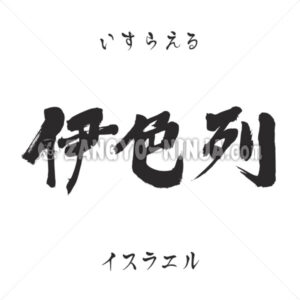

Niseko is a town located in Abuta District, Hokkaido. The name “Niseko” comes from the Ainu language and means “steep cliff.” It is the collective name for Kutchan Town, Niseko Town, and Rankoshi Town, an area surrounded by numerous mountains, including Mount Yotei (also called Ezo Fuji), and the clear-flowing Shiribetsu River. The Shiribetsu … Read More
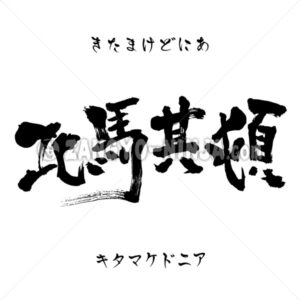
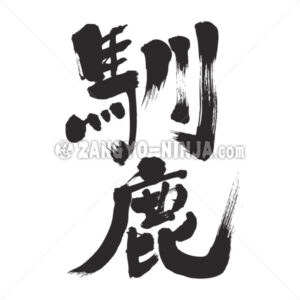
An animal of the order Artiodactyla of the order Honyu. Medium to large deer. Normally, only males are horned in deer, but one of the major characteristics of this species is that females also have horns. Habitats include Eurasia and the northern part of North America, of which North American ones are customarily called … Read More
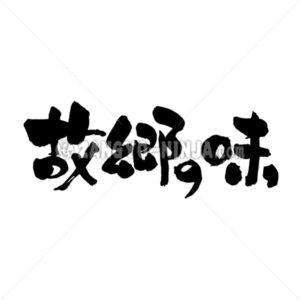
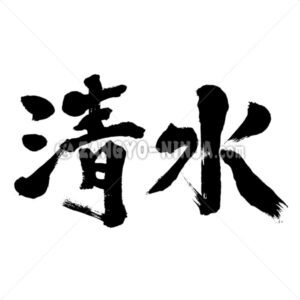
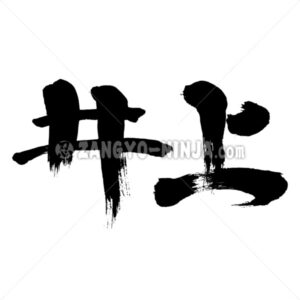
Guten Tag, Herr Shimizu. Dies ist eine Erklärung zum Ursprung des Nachnamens Shimizu, den Ihre Vorfahren und Freunde tragen. Shimizu ist der 20. häufigste japanische Nachname. Er bedeutet „Ort, an dem die Shimizu-Quelle entspringt“. Inoue ist eine künstliche Wasserquelle, Shimizu hingegen eine natürliche. Daher wird angenommen … Weiterlesen
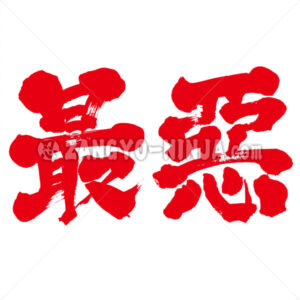
Description for worst and too bad “Worst” refers to the most unfavorable state or condition. It is a word that describes the lowest degree of something, representing the most unpleasant or unfortunate situation.
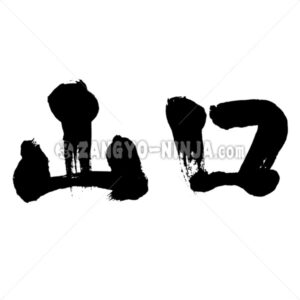
Yamaguchi has various meanings. Meaning of Yamaguchi as a noun The entrance to a mountain. The gateway to a mountain. In falconry, the act of first entering the hunting ground to begin the hunt. Also, that location. The entrance to the hunting ground. The first sign or indication of something. A woodcutter beginning to … Read More
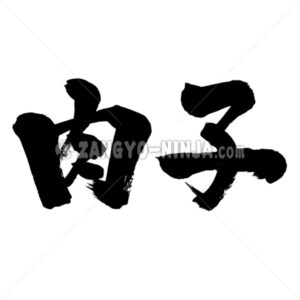
It’s coined word. It’s girl who likes eat the meat, Yakiniku, beef, pork and chicken. Or it is slang, It’s person who fat woman and thick woman. Japanese said Niku-ko.
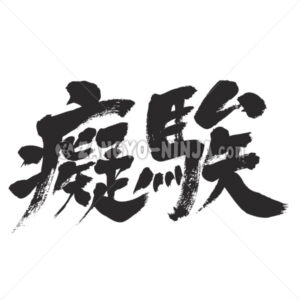
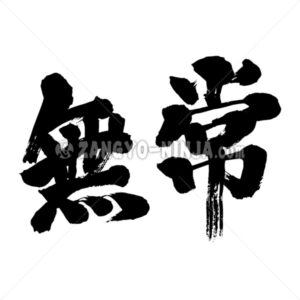
Buddhistische Sprache. Alles ist im Wandel, und es gibt keinen festen Wohnsitz. Alles auf dieser Welt verändert sich schnell und verharrt nicht lange im selben Zustand. Besonders die Vergänglichkeit des Lebens. Man weiß nicht, wann man stirbt. Im Japanischen sagt man „Mu Jou“.
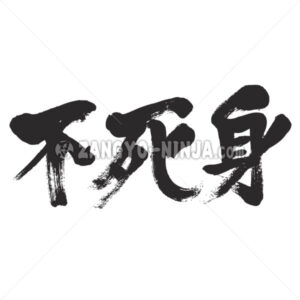
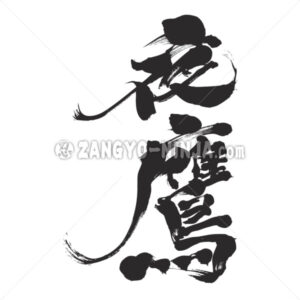
1. There is a fine brown-brown pattern throughout, and the beak is small, but the mouth is large when opened, and has long bristle around it. At night, prey on insects while flying, squeaks with a quick mouth, and stops parallel to the branches. Distributed in southern Asia. 2. A word used mainly in … Read More
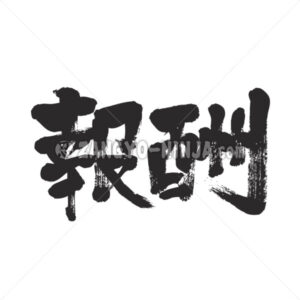
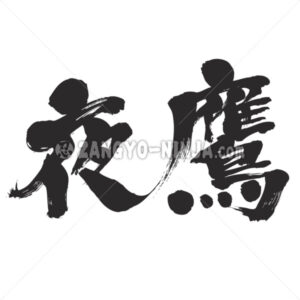
1. A medium-sized bird in the Yotaka family that catches and eats insects in the evening. 2. A person who walks at night. In particular, in the Edo period, the prostitutes of the lower level who drew customers on the street at night. Japan call “Yo taka”.
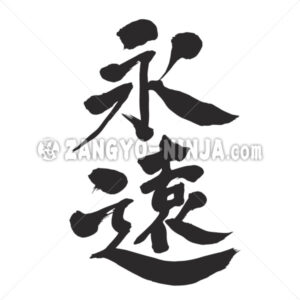
1. To endless forever. It exists beyond time. 2. A philosophy that is thought to last indefinitely while in time itself. Also, like mathematical truth, something that is known in time is considered to be valid regardless of time. Japan call “Ei en” and “To wa”.
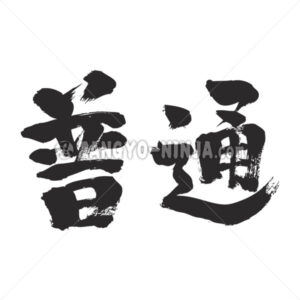
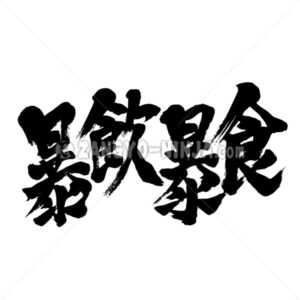
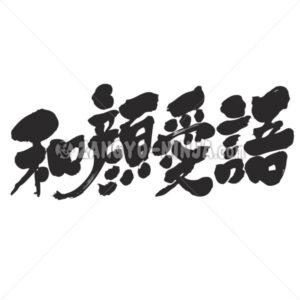
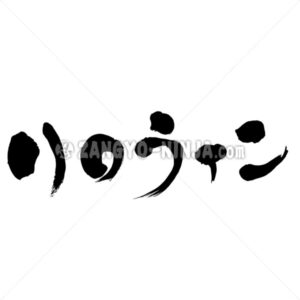
A festival originated in Europe, held on October 31 every year. Originally a religious event that celebrates the autumn harvest and drives out evil spirits, it takes place on the night before the All-hallow, the day of the Catholic Saints, on November 1. Shortened “All-hallow-even” and called Halloween. In recent years there is Halloween … Read More
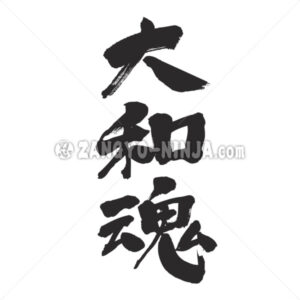
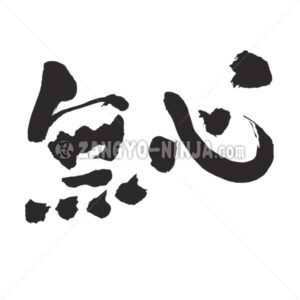
1. Sei unschuldig. 2. Es gibt keine Willenskraft und keine Gefühle. 3. Buddhistischer Begriff. 4. Waka/Renka mit dem Ziel von Humor und obszönen Ausdrücken. 5. Mangel an Nachdenken. Sei nicht klug. 6. Es fehlt das Herz, um die Emotionen zu verstehen. 7. Sei nicht rücksichtsvoll. Japanisch: „Mu shin“.