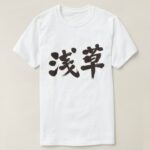

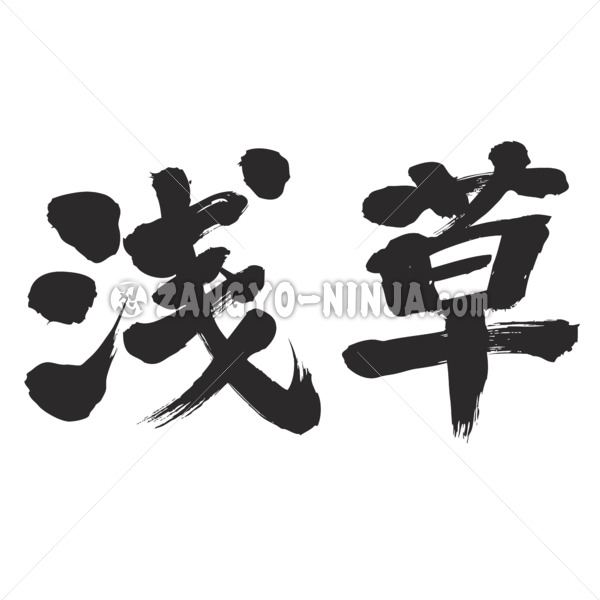

Description for Asakusa town
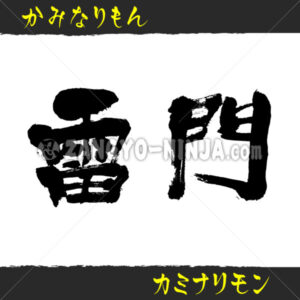
Asakusa is a town centered around Senso-ji Temple, home to the Kaminarimon (Thunder Gate), and attracts many tourists from Japan and abroad.
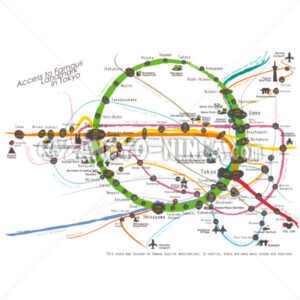
Located in central Tokyo, the area is popular for its convenient accessibility and traditional retro atmosphere.
Characteristics of Asakusa
It is popular as a place where history, tradition, and Japanese culture can be felt.
Many people enjoy visiting Senso-ji Temple, eating and shopping on Nakamise-dori Street, buying souvenirs, and also enjoy sightseeing by riding around the area on a jinrikisha (rickshaw).
Rental kimono stores are also increasing, and tourists visiting from abroad change into yukata or kimonos and stroll around Asakusa.
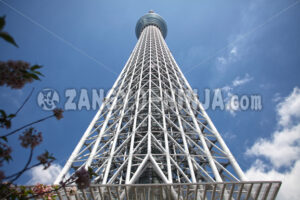
In recent years, with the building of the Sky Tree, visitors can now enjoy a fusion of old and new spots, such as taking a picture of Sensoji Temple with the Sky Tree in the background.
History of Asakusa
Asakusa first became a bustling place in the Edo period (1603-1867).
Tokugawa Ieyasu established Edo Castle, and the population of Edo grew rapidly as the city became economically affluent.
Under such circumstances, Senso-ji Temple received the patronage of the Shogun’s family.
This brought many worshippers to Senso-ji.
In addition, after working hard to clean up the temple, they were given permission to open stores along the approach to the temple.
Local residents began to sell souvenirs, toys, sweets, and snacks to visitors to the temple.
This was the beginning of today’s Nakamise Dori.
Prosperity of Asakusa
The Yoshiwara entertainment district, which entertained many male customers during the Edo period, was destroyed by the Meireki Fire in 1657, and was relocated to Asakusa.
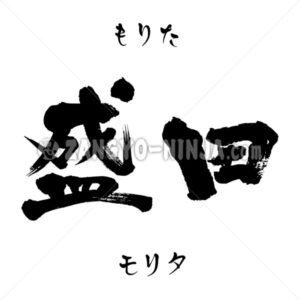
The Nakamura-za, Ichimura-za, and Morita-za, three of the most popular Edo kabuki troupes, moved to Asakusa’s Saruwaka-cho to perform kabuki.
Known as the Saruwaka Sanza, the kabuki performers became the object of women’s attention as the idols and stars of today’s society.
This led to the area behind Sensoji Temple becoming a thriving entertainment district, attracting many people.
Not only did people visit Senso-ji Temple and enjoy the Nakamise Street, but also more and more people came to the area to play with geisha and watch theatrical performances.
In modern times, entertainment halls and other venues have been built, and as a sacred place for comedy, the area has produced many comedians and other artists who are still active today.