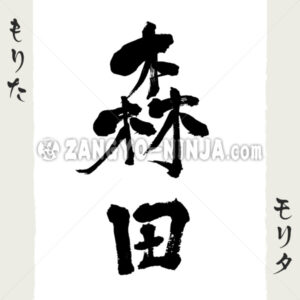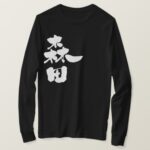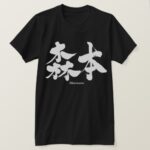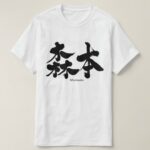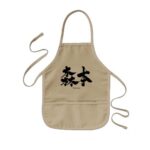

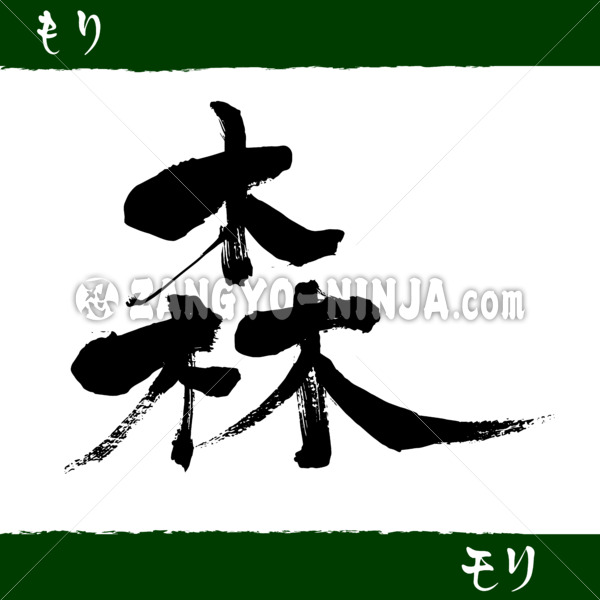
This word has two main uses.
One is to mean “forest.”
There is a kanji character using the character for “Ki” (木) that means “Hayashi” (林). Both “森” and ‘林’ mean “forest,” but those who realize that the different kanji characters actually mean different things are very astute.
In Japanese, “林” refers to a group of trees planted through afforestation, while “森” refers to a group of trees that have grown naturally, including both coniferous and deciduous trees.
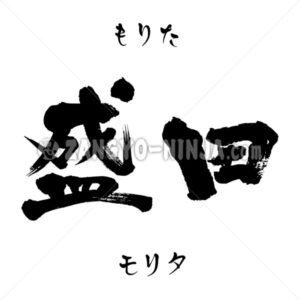
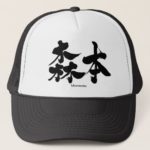
Hello, Mr. Mori. This is an explanation of the origin of the surname Mori, which is shared by your ancestors and friends.
Japan is a country with an extremely high population density, as most of the land is either mountainous or coastal, leaving little flat land for housing.
Since there are many mountains, there were also many forests, and this surname originates from the terrain, with roots in various regions. It is believed that people who lived in areas with many natural forests, untouched by human hands, began to adopt this surname during that era.
It ranks 22nd among Japanese surnames and 19th among Japanese-American surnames.
Clasificación de apellidos de estadounidenses de origen japonés (Oficina del Censo de EE. UU., encuesta de 1990)
Mori ranks 19th in this ranking.
| Apellido | Kanji | Suplemento | |
|---|---|---|---|
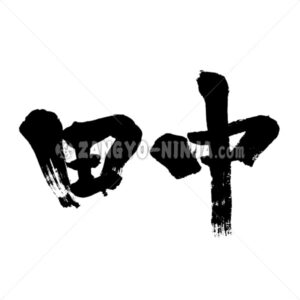
| 1 | Tanaka | 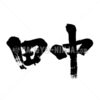 |
4º en Japón |
| 2 | Yamamoto | 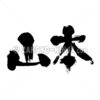 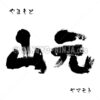 |
8º en Japón |
| 3 | Nakamura | 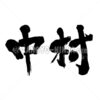 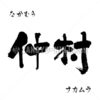 ・・・ ・・・ |
7º en Japón |
| 4 | Watanabe | 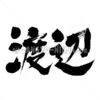 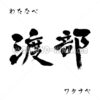 ・・・ ・・・ |
6º en Japón |
| 5 | Sato | 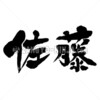 |
1º en Japón |
| 6 | Yamada | 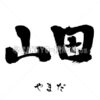 |
12º en Japón |
| 7 | Kimura | 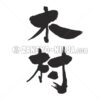 (escrito verticalmente) (escrito verticalmente) |
17º en Japón |
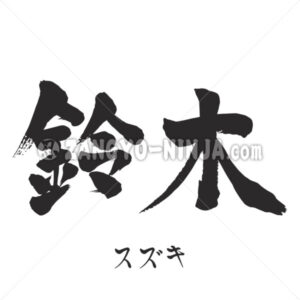
| 8 | Suzuki | 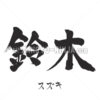 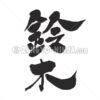 (escrito verticalmente) (escrito verticalmente) |
2º en Japón |
| 9 | Kato | 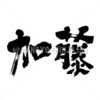 |
10º en Japón |
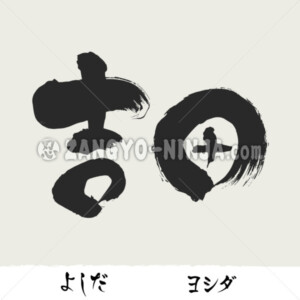
| 10 | Yoshida | 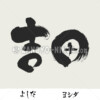 |
11º en Japón |
| 11 | Takahashi | 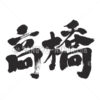 |
3º en Japón |
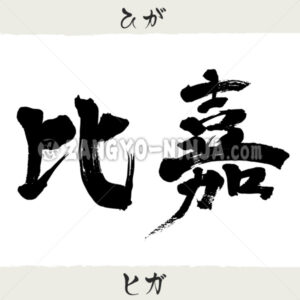
| 12 | Higa | 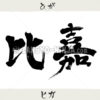 |
1.º en Okinawa , Japón |
| 13 | Kobayashi | 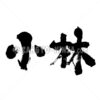 |
9º en Japón |
| 14 | Nakano | 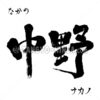 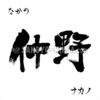 ・・・ ・・・ |
46º en Japón |
| 15 | Hayashi | 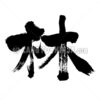 |
20 en Japón |
| 16 | Hashimoto | 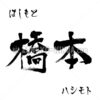 |
24º en Japón |
| 17 | Saito | 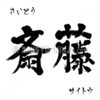 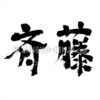 ・・・ ・・・ |
19º en Japón |
| 18 | Sasaki | 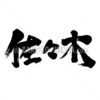 |
13º en Japón |
| 19 | Mori | 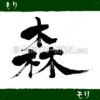 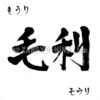 ・・・ ・・・ |
22º en Japón |
| 20 | matsumoto | 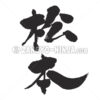 (escrito verticalmente) (escrito verticalmente) 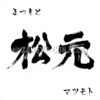 |
15º en Japón |