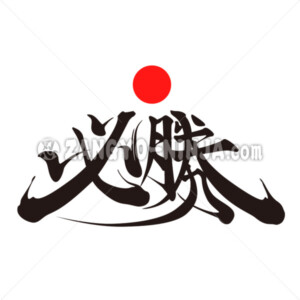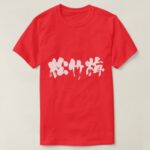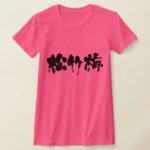

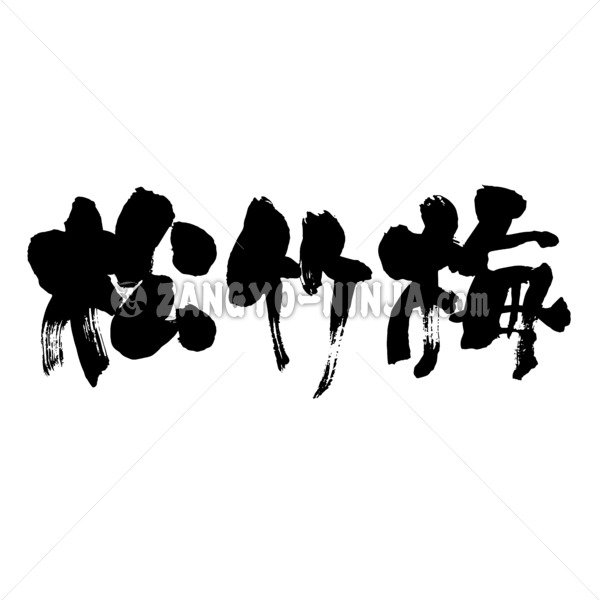

Home » Blessing & Happiness » Shochikubai in Kanji (include pine tree, bamboo and plum flower in Kanji)

Shochikubai en kanji (incluye pino, bambú y flor de ciruelo en kanji)

creado por diseñador

$0.00$1,490.00

600x600
$0.00
1920x1920
$4.80
6000x6000
$9.80
Lleno
$19.80
Lleno
$980.00
Lleno
$1,490.00

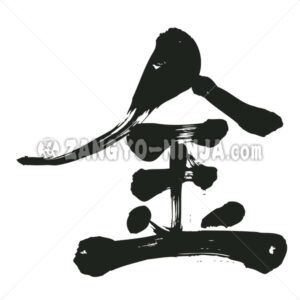
charms and is said to be auspicious along with the crane turtle. Since all three can withstand the cold, they are called Three Friends of Winter and are used for ceremonies as congratulations. A word used in place of each grade when goods and seats are divided into three grades.

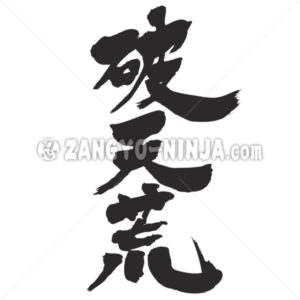
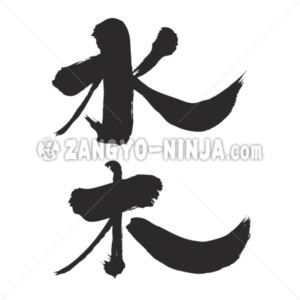
Pine, bamboo, and plum are (Shochikubai is) symbols of auspiciousness in Japan.

Pine trees have been a symbol of auspiciousness since the Heian period, as they are evergreen and lead to perpetual youth and longevity. Bamboo has been used for the same reason as pine trees since the Muromachi period, and plum blossoms have been known to bloom in winter since the Edo period.

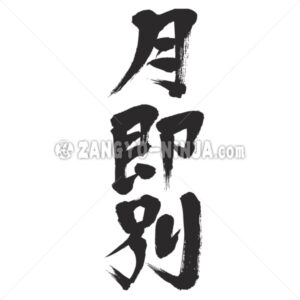
Shochikubai came to indicate the grade of things.

Originally, “Shochikubai” was not used to indicate the rank of items, but it is easier to order “Ume (Plum)” than “normal”, and it is more beautiful to replace it with the name of the plant, so “Shochikubai” came to be used as a grade at sushi restaurants.
There is no particular order of rank, and although pine, bamboo, and plum originally had no hierarchical relationship, it came to be that pine was the highest rank, bamboo was the highest rank, and plum was the average rank.
This order is said to be the chronological order that became a symbol of auspiciousness, but since the three types of pine, bamboo, and plum are called “Shochikubai”, it would be safer to think of it as that order.
Detalles técnicos AI Vector, 126.42 KB
, , , , , , ,

People also views for about Shochikubai


Una vista con bonsáis en hiragana y luna llena

Este es un archivo vectorial, pero el trabajo está dibujado en un [...]
vector
GRATIS~ Ver detalles

Café en kanji

Es una de las bebidas más populares del mundo [...]
vector
GRATIS~ Ver detalles
Shomon Raifuku en kanji, el proverbio en hiragana. 笑門来福 - Zangyo-Ninja

Shomon Raifuku en kanji, el proverbio en hiragana. 笑門来福

La felicidad llega naturalmente a los hogares llenos de risas [...]
vector
GRATIS~ Ver detalles

Obras recomendadas por el creador Aokage

Tanaka en kanji - Zangyo-Ninja

Tanaka en kanji

Hola, Sr. Tanaka. Esta es una explicación de la o [...]
vector
GRATIS~ Ver detalles
Ishida como apellido en Kanji, Katakana e Hiragana - Zangyo-Ninja

Ishida como apellido en kanji, katakana e hiragana

Hola, Sr. Ishida. Esta es una explicación de la o [...]
vector
GRATIS~ Ver detalles
Myanmar en kanji, katakana y hiragana - Zangyo-Ninja

Myanmar en kanji, katakana e hiragana

Descripción de Myanmar: Una república ubicada en el oeste [...]
vector
GRATIS~ Ver detalles
Morita en Kanji, Hiragana y Katakana - Zangyo-Ninja

Morita en kanji, hiragana y katakana

Hola, Sr. Morita. Esta es una explicación de la o [...]
vector
GRATIS~ Ver detalles
Mizuki en apellido Kanji - Zangyo-Ninja

Mizuki en el apellido Kanji

Hola, Sr. Mizuki. Esta es una explicación de o [...]
vector
GRATIS~ Ver detalles
AOKAGE
1017

Aokage

Ganó varios premios de oro y plata en caligrafía japonesa (Shodo). Le encanta el sushi y el sashimi. Habiendo practicado caligrafía desde niño, su padre era profesor titulado. Aokage (青景) proviene del paisaje azul como el mar, el cielo azul claro y la sombra azul. Sombra significa ninja.

Las personas tan inteligentes como tú también están mirando