

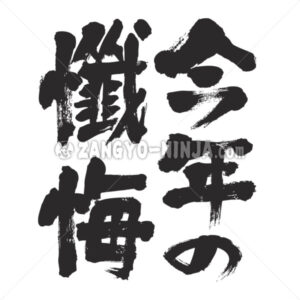
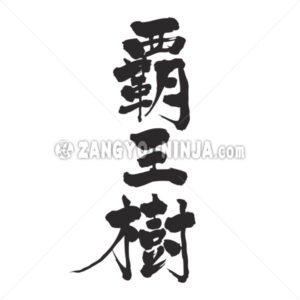
Nombre genérico para plantas pertenecientes a la familia de los cactus, plantas suculentas perennes que crecen en regiones áridas, desde zonas tropicales hasta subtropicales de América, siendo México su principal área de distribución. Sus tallos son macizos, columnares, fibrosos, etc., y son suculentos. Generalmente no tienen hojas, excepto… Leer más


Azärbayjan Respublikasi. Collective term for the region facing the Caspian Sea in the southeastern part of the South-East of Europe, in the southeastern part of the Zakhakhus region and in the northwest part of Iran. Part of the former Soviet Union was the Azerbaijan-Soviet Socialist Republic but it became independent in August 1991 as … Read More
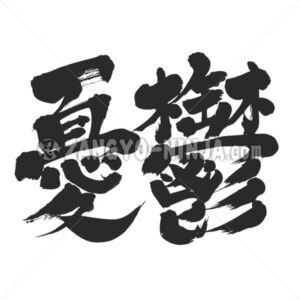
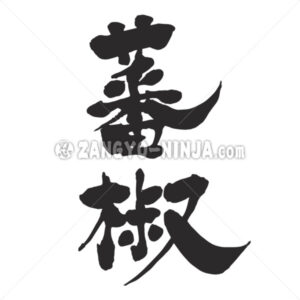
Pepper is a spice native to Central and South America and has been widely cultivated in this area for thousands of years. On the other hand, it was brought to Europe after the discovery of the new continent at the end of the 15th century. However, due to its stimulating spiciness and strong fertility, … Read More
El cráneo es la estructura ósea de un animal con cabeza que actúa como el armazón general de la misma. En japonés se dice "Share Kobe" "Dokuro".
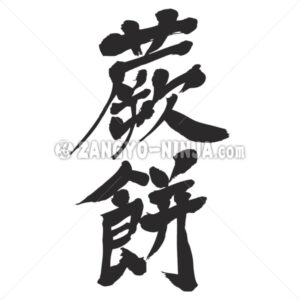
A young bud from the rhizome of bamboo in early summer. Several times it is covered with leather, growing grows in a few days while leaving the skin off. It is edible while it is soft. Japanese says Takenoko.
Japan calls Kamono-Hashi. It has its name because its mouth resembles a duck’s beak. There are limbs on the limbs, which are suitable for underwater life. The hair is dark brown velvety and grows densely. It is distributed in Tasmania, eastern Australia, and inhabits forests from vegetated lowlands near rivers and lakes to an … Read More
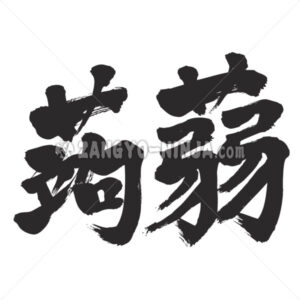
paste made from konjak flour. Solidified jelly made from the rhizome of devil’s tongue (Konjak taros). Low calorie and healthy foods in Japan. konjac, elephant’s‐foot, Amorphophallus, Amorphophalus rivieri, Amorphophallus konjak. Japanese says “Kon nyaku”.
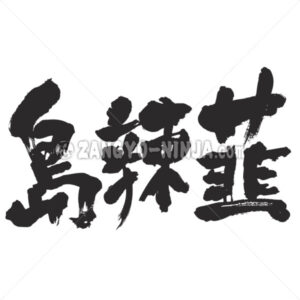
Rakkyo, a native species of Okinawa Prefecture. It is smaller and has a stronger scent than the scallions cultivated on the mainland. In addition to salted and sweet and sour sauce, it is also suitable for raw food and tempura. Allium bakeri, scallion, pickled shallot made in Okinawa. Japanese says Shima-rak-kyou.
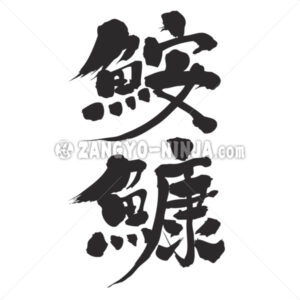
Total length about 1m. The body is gray or grayish white, with dark, pale, pale mottles. The chest is darker than the body color. The head is large, wide and flat. The tail is thin and short. Have a rooster, shake it to attract small fish and eat. It is served for cooking in … Read More
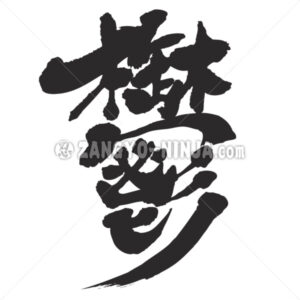
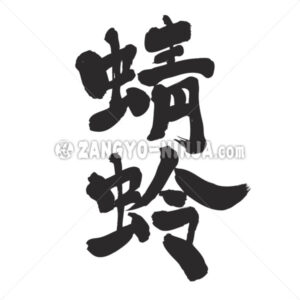
Japanese says “Tonbo” slender-bodied non-stinging insect having iridescent wings that are outspread at rest.
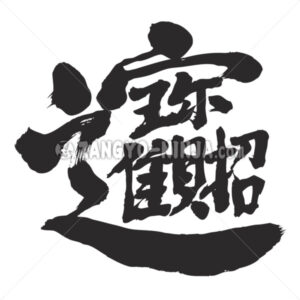



Japanese calls Chi-Mi-Mo-Ryo. evil spirits of mountains and rivers. it’s a monsters. There is a theory It depends on the book, but “CHI” is the god of the mountain, “MI” is the monster, and “Moryo” is the god of water.