

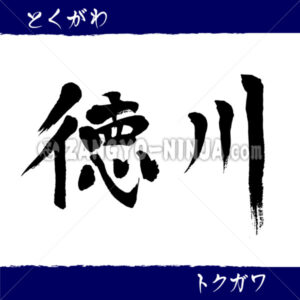
El apellido de la familia shogunal del shogunato Edo, que duró aproximadamente 260 años. Originalmente un señor local de la aldea de Matsudaira, distrito de Kamo, provincia de Mikawa, que usaba el apellido Matsudaira, pero lo cambió a Tokugawa durante la época de Ieyasu. El shogunato Edo comenzó en 1603 (Keichō 8) cuando Tokugawa Ieyasu lo estableció, y… Leer más
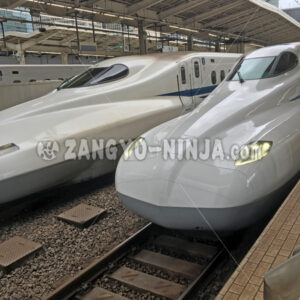
These trains were stopped at Tokyo Station. Both are the new N700 series, but I believe the one in the foreground is the N700S, and the one in the background is also an N700S. Recently, the fleet has mostly been replaced with N700 series trains, and the older models are no longer in service.
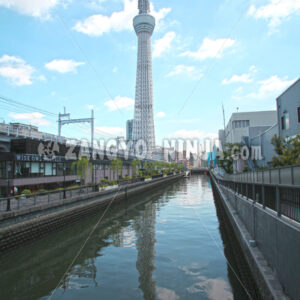
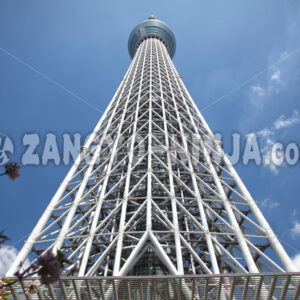
Es la torre de transmisión independiente más alta del mundo. Ubicada en el distrito de Sumida, Tokio, cerca de Asakusa, esta torre de transmisión alcanza los 634 metros (Musashi), la más alta del país. Antes de su construcción, la Torre de Tokio cumplía esta función; sin embargo, debido al impacto del aumento de la altura de los edificios, se construyó la Skytree para transmitir ondas de radio… Leer más
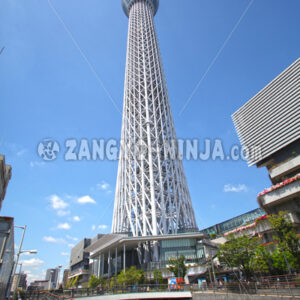
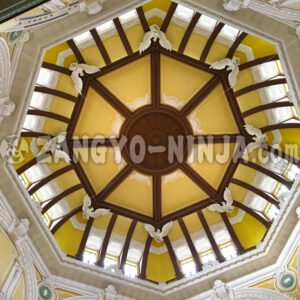
In 2012, the red-brick Marunouchi Station Building, a Nationally Designated Important Cultural Property, was restored to its original appearance. The reliefs on the ceilings inside the building were meticulously recreated by leading plasterers.
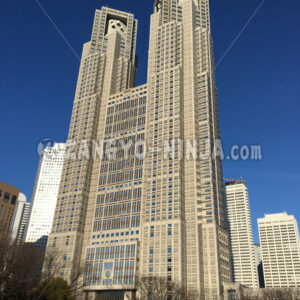
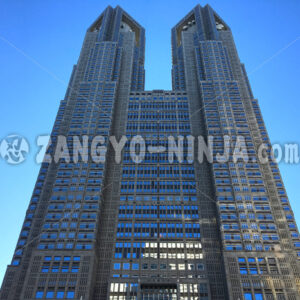
This is the Tokyo Metropolitan Government Building located in Nishi-Shinjuku, Tokyo. This view was taken from the west; the main entrance is on the east side. This site was once home to the Yodobashi Water Purification Plant; it was developed in the mid-Showa period and transformed into a complex of buildings serving as a … Read More
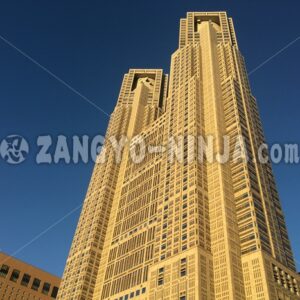
Este edificio se encuentra en Nishi-Shinjuku (un distrito comercial secundario) en Tokio. Esta foto fue tomada desde el oeste justo antes del atardecer.
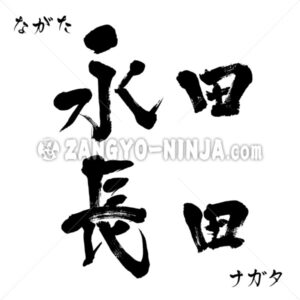
Hello, Mr. Nagata. This is an explanation of the origin of the surname Nagata, which is shared by your ancestors and friends. Their origins seem to differ depending on the era and location. Origin of this surname It is generally thought to derive from words meaning “endlessly spreading rice fields” or “long rice fields,” … Read More

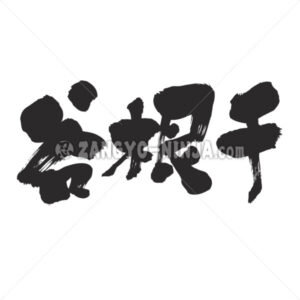
Description for Yanesen area The three neighbourhoods, Yanaka(谷中), Nezu(根津) and Sendagi(千駄木) are collectively called Yanesen. Yanesen refers to the Yanaka / Nezu / Sendagi area. Located in Bunkyo Ward and Taito Ward, near the center of Tokyo’s 23 wards, it is a part of the so-called “Yamanote”, but it still retains the atmosphere of … Read More
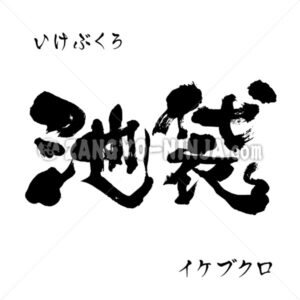
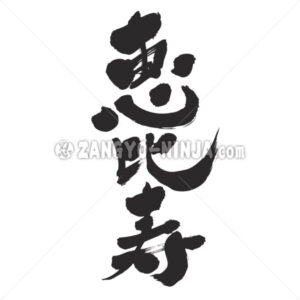
1. Ebisu is a famous place name in Tokyo Ebisu is a neighborhood in Shibuya, Tokyo, Japan. Conveniently near Roppongi and central Shibuya, Ebisu is easily accessed by the JR Yamanote and Hibiya lines via Ebisu Station. Together with the trendy neighboring communities of Daikanyama and Hiroo, it has boutiques, vintage stores and patisseries … Read More

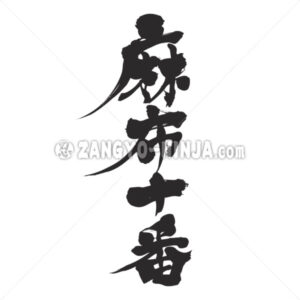
Description for Azabu Juban town Azabu-Juban is a lively residential area in central Tokyo. With a mixture of Japanese shops, restaurants and bars. The convenience of several supermarkets central location and the proximity of Hiroo and Roppongi make it one of the more trendy and sought after residential areas of Tokyo. The main street, … Read More
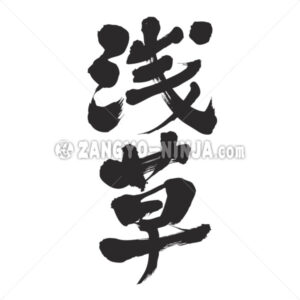
Description for Asakusa town Asakusa is a town centered around Senso-ji Temple, home to the Kaminarimon (Thunder Gate), and attracts many tourists from Japan and abroad. Located in central Tokyo, the area is popular for its convenient accessibility and traditional retro atmosphere. Characteristics of Asakusa It is popular as a place where history, tradition, … Read More
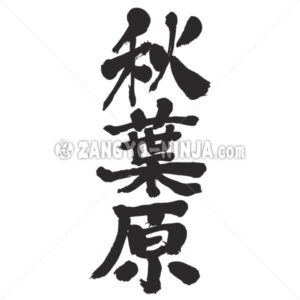
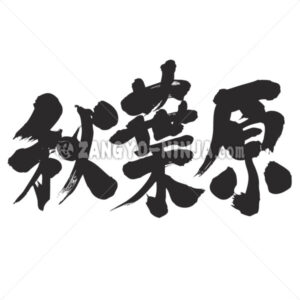
Description for Akihabara town Akihabara is an area name that refers to the area around JR Akihabara Station in Chiyoda-ku, Tokyo. It is known as one of the largest electric towns in Japan. History and etymology of Akihabara (Akiba) During the Edo period, it was the area where lower samurai lived. As it was … Read More

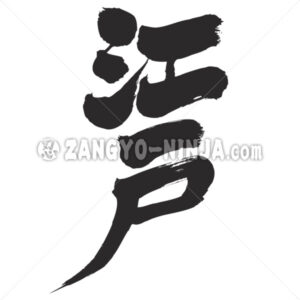
Description for period of Edo in Japan The predecessor of Tokyo, now one of the largest cities in the world and the center of Japan’s politics, economy, and culture, was Edo. Edo was the seat of the Tokugawa clan for 279 years, from 1590 to 1868, and was the political center of the Edo … Read More
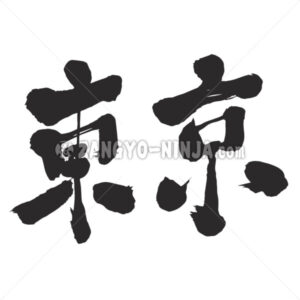
Descripción de la prefectura de Tokio, la capital y ciudad más grande de Japón. Este (東) capital (京). La capital de Japón, que ocupa la parte suroeste de la región de Kanto. Renombrada Edo como Tokio durante la Restauración Meiji. En 1889, la ciudad de Tokio se convirtió en la ciudad de Tokio en el distrito 15, y después del Gran Terremoto de Kanto, la… Leer más
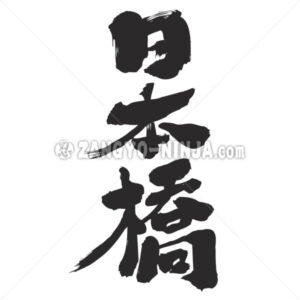
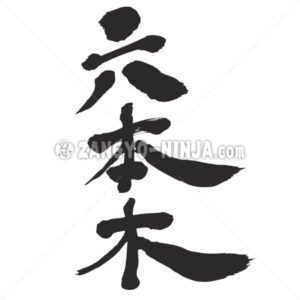
Descripción de la zona de Roppongi: Nombre de una localidad en el centro de Minato-ku, Tokio. En sentido estricto, se refiere a la zona que rodea la intersección de Aoyama-dori y Gaien Urai-dori. La zona solía ser un área residencial de clase alta con misiones diplomáticas extranjeras, pero después de la guerra, surgieron restaurantes, clubes nocturnos y diversas tiendas especializadas… Leer más
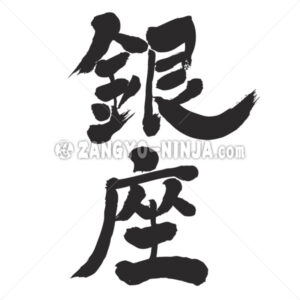
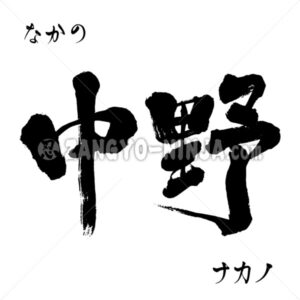
Name of one of Tokyo’s 23 wards A special ward located in the western part of Tokyo’s central area. It borders Shinjuku Ward to the east, Suginami Ward to the west, Nerima Ward to the north, and Shibuya Ward to the south. Centered around Nakano Station on the JR Chuo Line, it features a … Read More