
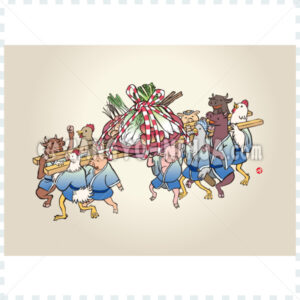
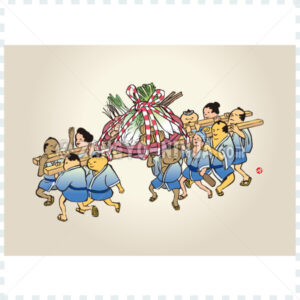
Esta es una ilustración contemporánea dibujada con pinceladas. En Japón, existen enanos invisibles. Hay un cuento popular japonés sobre un enano llamado "Issunboushi" que extermina demonios. También existe un cuento de hadas universal sobre "Siete Enanitos" que rescatan a una princesa en un castillo. ¿De dónde vienen estos enanos y qué hacen...? Leer más

An annual grass of the Gramineae family. The grains are cultivated for food and industrial raw materials, and for the entire above-ground part as feed. The stem is upright and 1 to 4 meters high. Most of the nodes are 14 to 16, and there is almost no branching. Fresh, frozen (whole form, cut … Read More
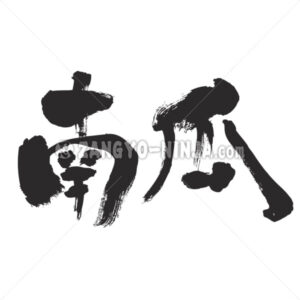
Description for Pumpkin Pumpkin is a general term for fruit vegetables belonging to the genus Cucurbita within the family Cucurbitaceae. While native to the Americas, the primary production areas are China, India, Ukraine, Africa. Wild species of the genus Cucurbita are distributed only in the New World, with most occurring in Mexico and Central … Read More
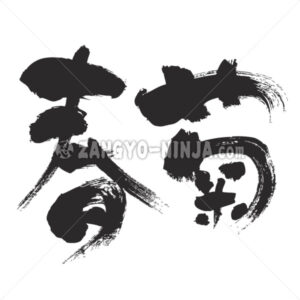
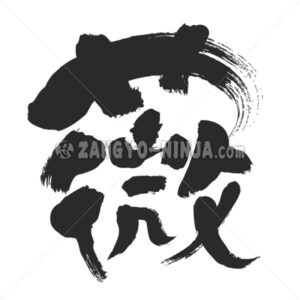
any fern of the genus Osmund: large ferns with creeping rhizomes. Eats shoots in Japan. One of the typical wild plants that makes you feel spring. It grows naturally in the mountains of Japan, and the young shoots picked in early spring are edible. In general, dried Osmund, which is a dried boiled product, … Read More
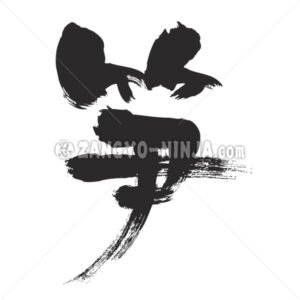
A young bud from the rhizome of bamboo in early summer. Several times it is covered with leather, growing grows in a few days while leaving the skin off. It is edible while it is soft. Japanese says Takenoko.
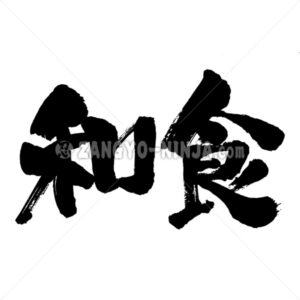

Una planta leguminosa del género Pisum con pequeñas flores blancas y largas vainas verdes que contienen semillas verdes comestibles. En Japón se la conoce como En-Do.

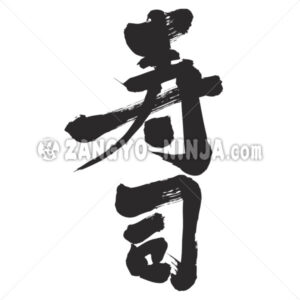
Description for Sushi foods Anything made with vinegared rice that also contain vegetables, spices, fish, or other delicacies.There are different kinds of “Sushi” and depending ON the locality. The most common is “Nigiri zushi” and originally produced in the Tokyo districet. Nigirizushi consists of small oval-shaped balls of rice seasoned with vinegar and sugar … Read More
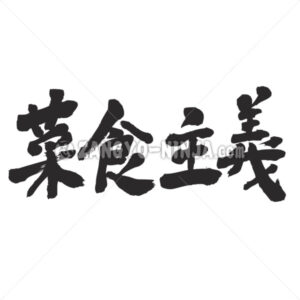
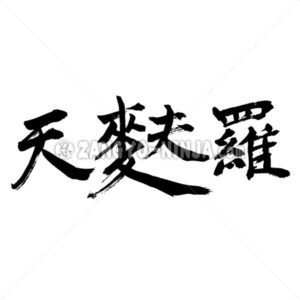
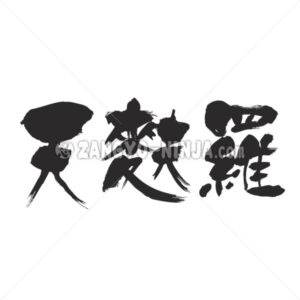
En japonés se dice Ten-pu-ra. Rebozado con harina de trigo soluble en agua y frito en aceite vegetal. Su origen se remonta al período Edo. Este es uno de los kanji más difíciles. La etimología de tempura proviene de "tempero", que significa "cocinar" en portugués, y "templo", que significa "día celestial" (día en que se prohíbe a las aves y las bestias comer pescado frito) en español. … Leer más