Samurai white illustration square Buttons
|
Samurai Button man in attendance on a person of high standing.


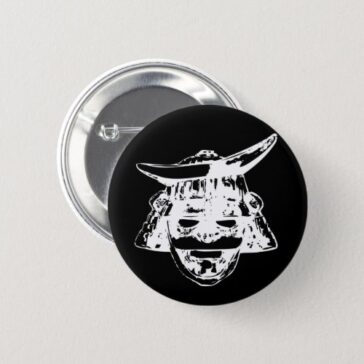
Samurai Button man in attendance on a person of high standing.
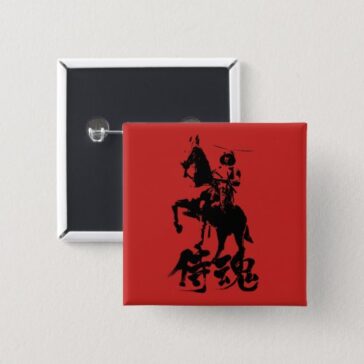
[Kanji] Samurai Spirit Button Jidaigeki with swordsmanship where the main themes are Bushido and loyalty.
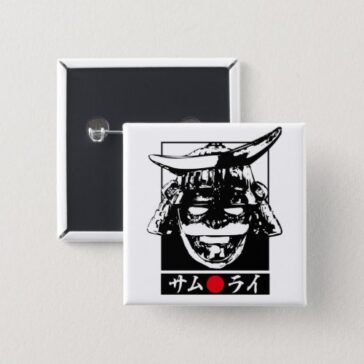
A warrior of military retainers of daimyos in the Edo period. [Katakana] Samurai Button
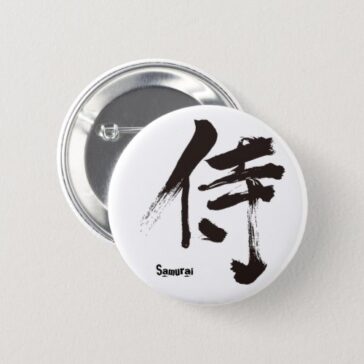
[Kanji] Samurai Button warrior of military retainers of daimyos in the Edo period.
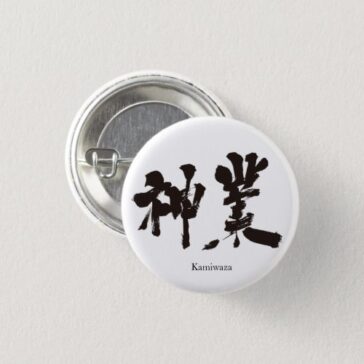
Japanese says Kami-Waza, Kamu-waza. God’s work. Also, such superhuman techniques and acts. Events about God. [Kanji] divine work Button
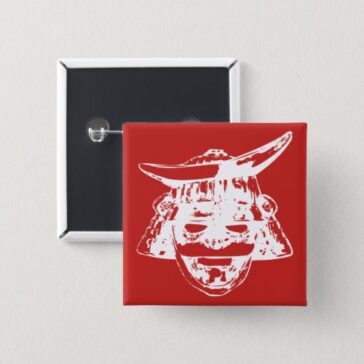
Samurai Button A warrior of military retainers of daimyos in the Edo period.
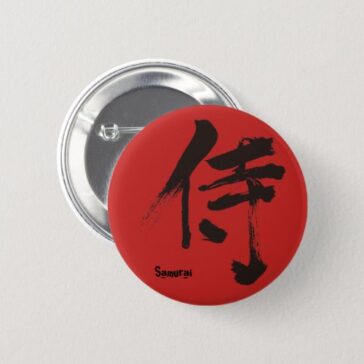
[Kanji] Samurai Button warrior of military retainers of daimyos in the Edo period.
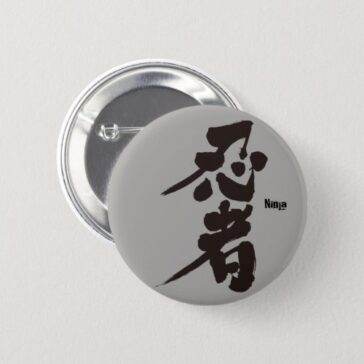
[Kanji] Ninja as black characters Button Those who used ninjutsu to infiltrate enemy territory and engaged in intelligence (spy) activities such as spying and disturbance. In particular, the Iga and Koka ninja organizations that were active mainly during the Warring States period are famous. However, the existence of a ninja is not well known … Read More
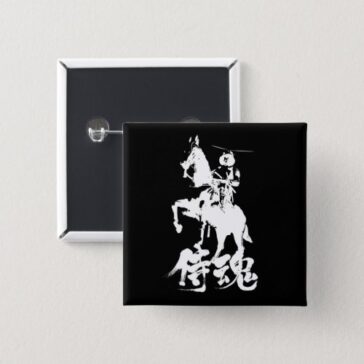
[Kanji] Samurai Spirit white character Buttons Jidaigeki with swordsmanship where the main themes are Bushido and loyalty.
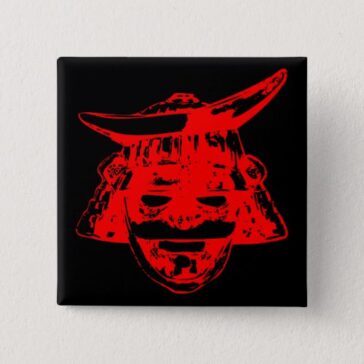
man in attendance on a person of high standing. Samurai Button
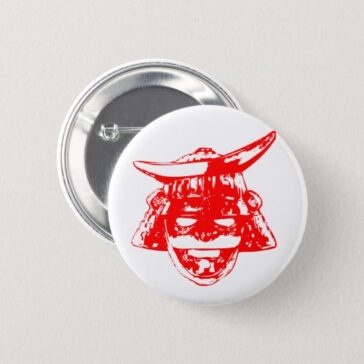
man in attendance on a person of high standing. Samurai Button
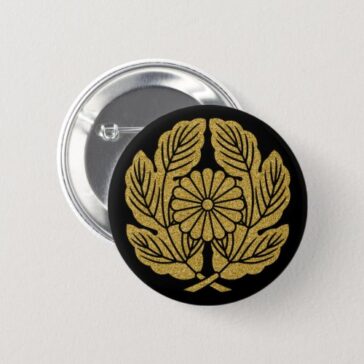
[Escudos familiares] Botón de crisantemos de Takamori Saigo. Abraza hojas de crisantemo sobre una flor de crisantemo para Kamon. Los escudos familiares (Kamon) son símbolos y gráficos de la vejez en Japón. Se dice que Saigo Takamori usó un escudo familiar. Nota: Crisantemo: En la antigua China, los crisantemos se usaban con fines ornamentales y… Leer más
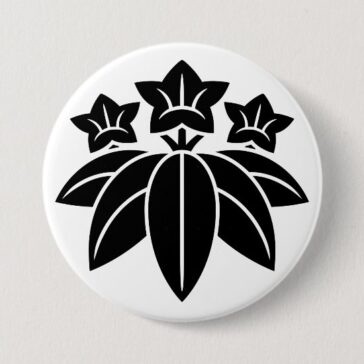
This family crest depicts five bamboo-like leaves spread downward, with three gentian flowers drawn above them. It can be found by clicking the button below. The white family crest is hidden. Click the “Edit this design” button to display the white crest, hide the black crest, and change the background color. Gentian Flowers and … Read More
![[Escudos familiares] Botones de flores de crisantemo de 16 pétalos](https://www.zangyo-ninja.com/wp-content/uploads/family_crests_flowers_pinback_button-Chrysanthemum-Flower_k945w_500-364x364.jpg)
Es una flor de crisantemo de dieciséis pétalos para Kamon. Los escudos familiares (Kamon) significan símbolo y gráficos en la vejez en Japón. Nota: Crisantemo: En la antigua China, los crisantemos se usaban con fines ornamentales y como medicina para la longevidad, y se consideraban las flores más energéticas de las cien flores. Esta idea se introdujo en… Leer más
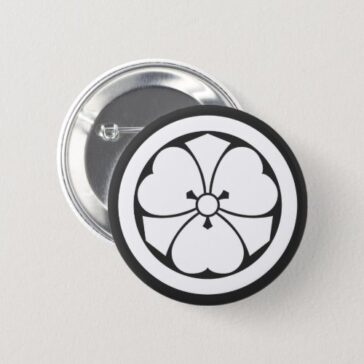
[Family Crests] a circle inside Oxalis corniculata with swords Round Button a circle inside Oxalis corniculata with swords for Kamon. Nature plants symbol and graphics at old age for Japanese family. It’s negative positive inversion.
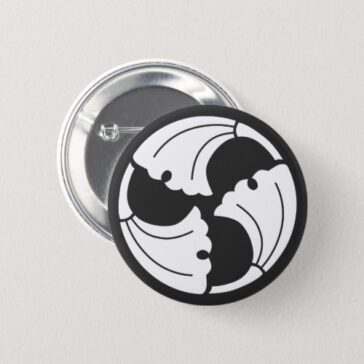
[Family Crests] Divided into 3 Ginkgo leaves Round Button Divided into three Ginkgo leaves for Kamon. Nature plants symbol and graphics at old age for Japanese family. It’s negative positive inversion.
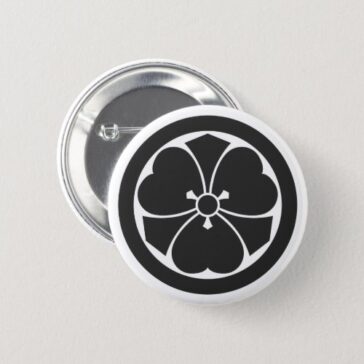
a circle inside Oxalis corniculata with swords for Kamon. Nature plants symbol and graphics at old age for Japanese family. [Family Crests] a circle inside Oxalis corniculata with swords Pinback Button
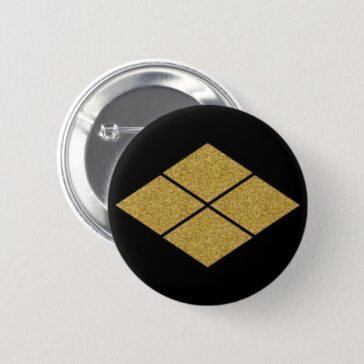
Es el famoso escudo familiar de Takeda Shingen. Shingen Takeda fue un daimyo durante el período Sengoku. El “Furinkazan”, que se dice que estaba escrito en el sashimono (bandera militar), también es famoso. Nota: Se dice que el Hishimon (forma de rombo) es una versión estilizada del fruto de la trapa japonica o trapa japonica… Leer más
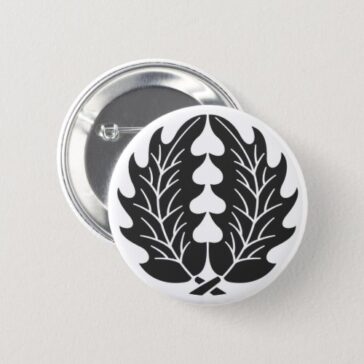
Two symmetrical holly leaves for Kamon. Nature plants symbol and graphics at old age for Japanese family. note. Holly leaves: It was used as an amulet in the Heian period because of its thorns on its leaves. There was a house that was used for the family crest in an attempt to make it … Read More
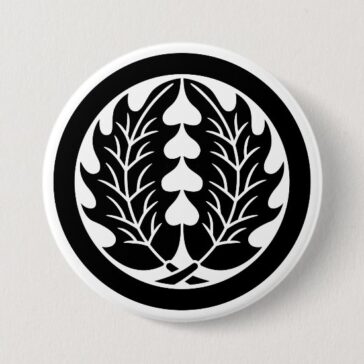
A family crest featuring two symmetrical holly leaves surrounded by a circle. Holly leaves are considered sacred trees that ward off demons, as seen in Setsubun rituals. They came to be used as family crests for their spiritual significance in ensuring household safety by repelling evil spirits and warding off misfortune. It can be … Read More
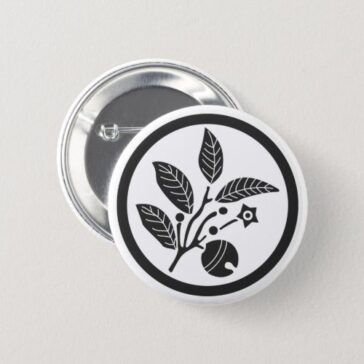
Un círculo dentro de Cleyera japonica y una campana para Kamon. Símbolo de plantas naturales y gráficos en la vejez para la familia japonesa. Nota: Cleyera japonica y una campana: Érase una vez, cuando Amaterasu Omikami se escondía en Amano-Iwato, Ame-no-Uzume bailaba frente a Iwato, sosteniendo Sakaki y la campana del monte Sakaki y campanas… Leer más
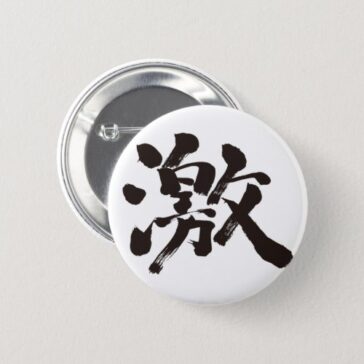
japanese said “Geki”. It is mean very or much include strength. [Kanji] extremely (very, much) Button
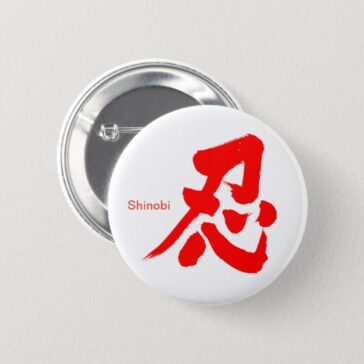
[Kanji] Shinobi Button a professional spy (in feudal Japan) highly trained in stealth and secrecy.
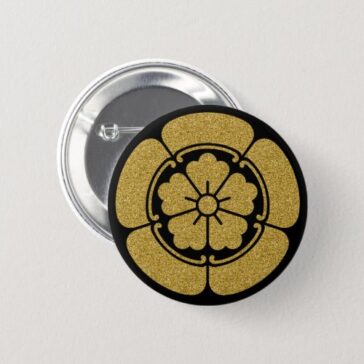
This is Oda Nobunaga’s famous family crest. Five-sided Mokko inside Karahana flower for Kamon. Nature plants symbol and graphics at old age for Japanese family. note: Mokko is designed a bird’s nest. the bird’s nest is the thought of prosperity of descendants is put in, and it is said to be a happy crest. … Read More
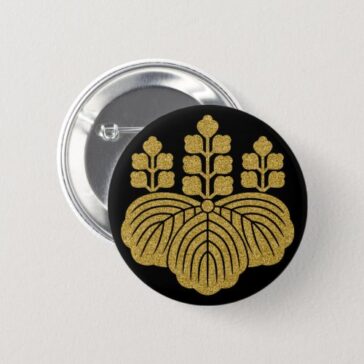
Es el escudo familiar que más probabilidades tienes de ver en Japón. El escudo de la flor de paulownia era considerado un subescudo de la familia imperial. Además, este escudo de la flor de paulownia a veces se otorgaba a un vasallo que había tenido algún mérito en la familia imperial. Entre ellos se encuentran Takauji Ashikaga, Nobunaga Oda, … Leer más
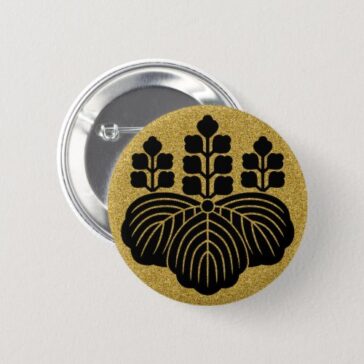
[Family Crests] Paulownia Flowers and leaf button It is the family crest that you have the most chance to see in Japan. The paulownia flower crest was regarded as a sub-crest of the emperor’s family. In addition, this paulownia flower crest was sometimes given to a vassal who had a merit in the Emperor’s … Read More
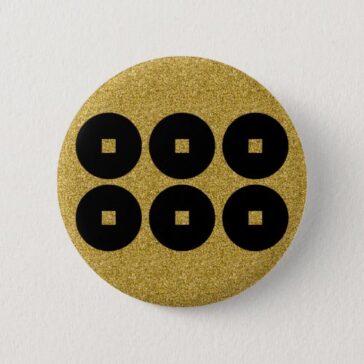
This is also a famous family crest. There are various theories, but at that time, it was said that the “Sanzu River” was flowing between the world and the world, and that the ferry to cross the river required “Rokumonsen (current monetary value of about 300 yen)”. I am. The family crest also shows … Read More
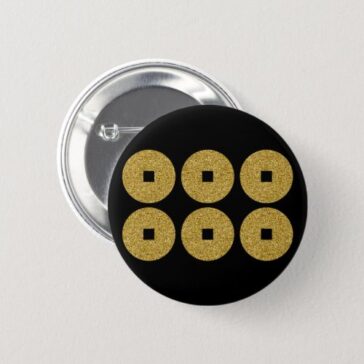
[Family Crests] Sanada’s 6 coins Pinback button This is also a famous family crest. There are various theories, but at that time, it was said that the “Sanzu River” was flowing between the world and the world, and that the ferry to cross the river required “Rokumonsen (current monetary value of about 300 yen)”. … Read More
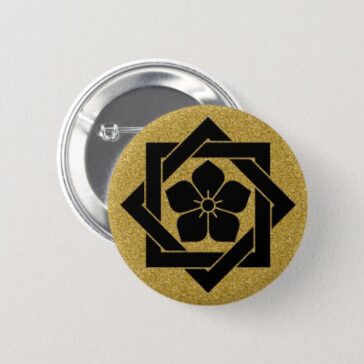
Líneas cruzadas dentro del Kamon de Kikyo (flor de globo, campanilla). Fue utilizado por Ryoma Sakamoto, quien sucedió en el Taisei Hokan al final del período Edo. Nota: Kikyo (flor de globo, campanilla) es una de las siete hierbas del otoño. Antiguamente, una flor de campanilla se dedicaba a los dioses y Budas para forjar el… Leer más
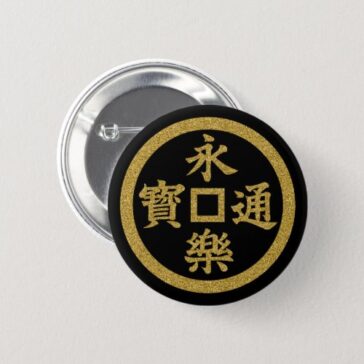
[Family Crests] Eiraku coin Round Button Nobunaga Oda used the Eiraku coin (Eiraku Tsuho) design that was in circulation as a family crest as a symbol of economic power. He used it as a flag.