[Kanji] Pegatina de corazón de amor
|
Una fuerte emoción positiva de aprecio y afecto. En japonés se dice "Ai". [Kanji] Pegatina de corazón de amor


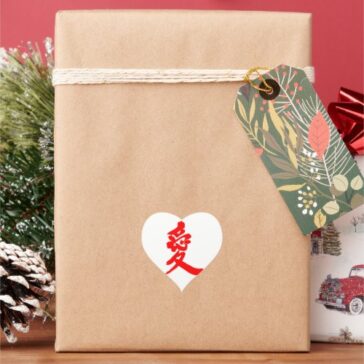
Una fuerte emoción positiva de aprecio y afecto. En japonés se dice "Ai". [Kanji] Pegatina de corazón de amor
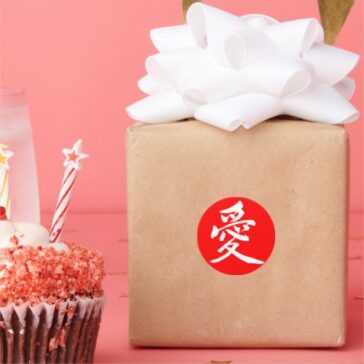
[Kanji] Love sticker Japanese says “Ai”.
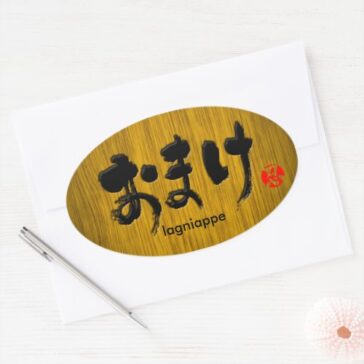
[Hiragana] lagniappe Oval Sticker When you purchase a certain product, the price of the product is lowered, an additional item is attached as a service, or the item itself attached by the service. Japanese calls O-Ma-Ke.
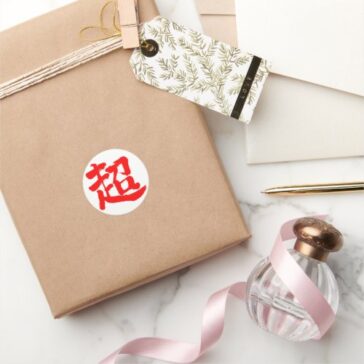
[Kanji] extreme Round Sticker It is preceded by a noun to indicate that it is more than that and that it deviates further. Japanese says Cho.
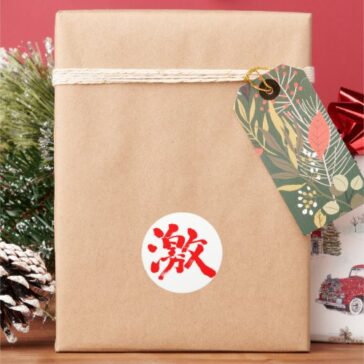
[Kanji] extremely (very, much) red letter Classic Round Sticker Japanese says “Geki”. It is mean very or much include strength.
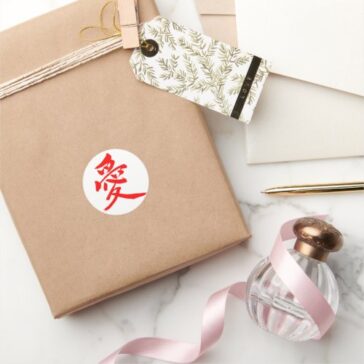
(Kanji) Love red letter stickers
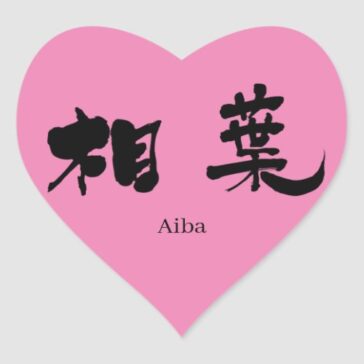
[Kanji] Aiba Heart Sticker it’s popular family name in Japan.
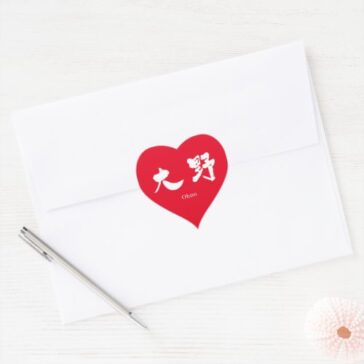
it’s popular family name in Japan. The etymology is a big field. In the olden days, it also means “Base field”. [Kanji] Ohno (white text) Heart Sticker
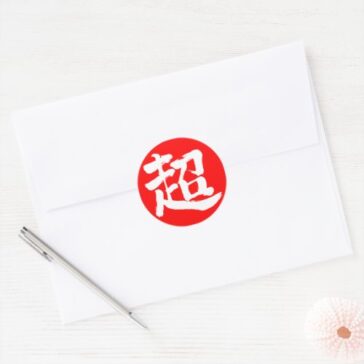
It is preceded by a noun to indicate that it is more than that and that it deviates further. Japanese says “cho”. [Kanji] extreme (white letter) Classic Round Sticker
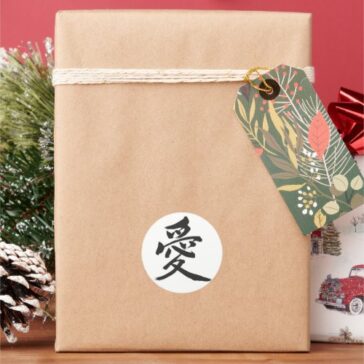
a quality proceeding from feelings of affection or love Japanese says Ai. [Kanji] Love Classic Round Sticker
![[Escudos familiares] Plantas 家紋 徳川家 丸形シール・ステッカー](https://www.zangyo-ninja.com/wp-content/uploads/family_crests_plants_classic_round_sticker-r622383b19d504795aa3ae73dde8823f6_v9waf_8byvr_500-364x364.jpg)
[Family Crests] 3 hollyhocks inside circle (inverted) sticker It is the most famous family crest of Mitsuha Aoi in Japan and has been used by the Shogun Tokugawa family for generations during the Edo period. It is the black and white inversion design.
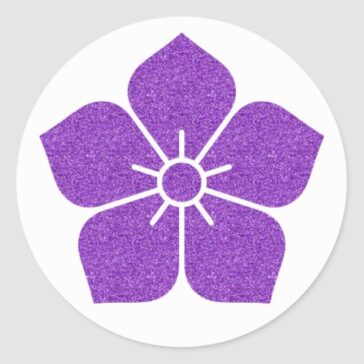
Símbolos y gráficos de flores en la vejez. Flores de Kikyo Kamon. Nota: Kikyo (flor de globo) es una de las siete hierbas del otoño. Antiguamente, una flor de campanilla se dedicaba a los dioses y Budas para forjar el bien y el mal. La pronunciación de Kikkyo puede haber cambiado a Kikyo. El apellido al que… Leer más
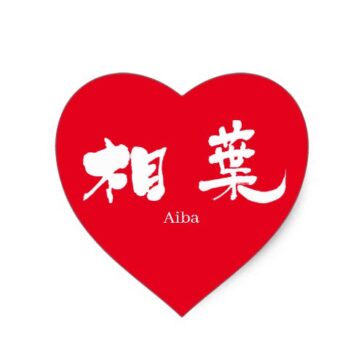
it’s popular family name in Japan. [Kanji] Aiba (white text) Heart Sticker
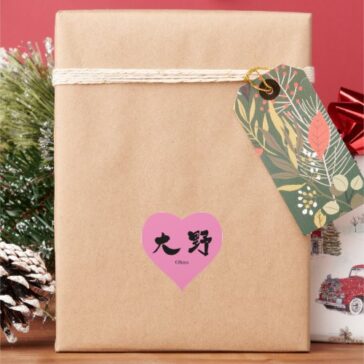
[Kanji] Ohno Heart Sticker it’s popular family name in Japan. The etymology is a big field. In the olden days, it also means “Base field”.
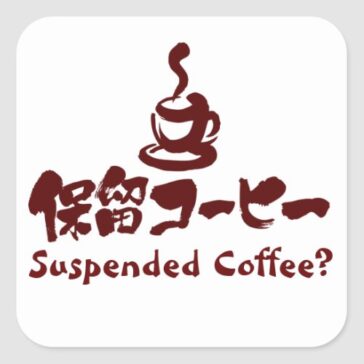
It is a system that pays in advance for someone who needs hot drinks or food. When ordering coffee at a cafe, you pay in advance what you don’t drink on the spot and provide it to the poor, such as the homeless. It’s in Kanji and Katakana with illustration. [Kanji+Kana] Suspended Coffee? Square … Read More
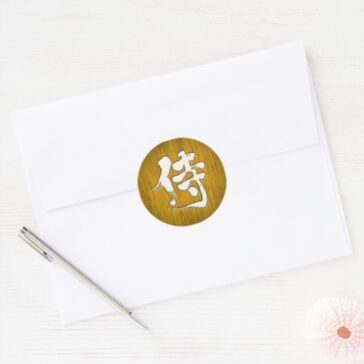
[Kanji] Samurai white letters in kanji on signboard style Sticker Japanese woody signboard style A Japanese warrior. Now there are no samurais in japan. But Japanese has chivalrous spirit like a Samurai.
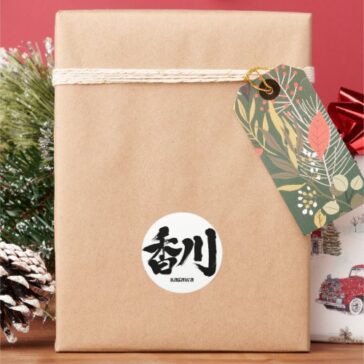
[Kanji] Pegatina redonda de Kagawa 1. Nombre de una prefectura de Japón. 2. Famoso futbolista japonés.
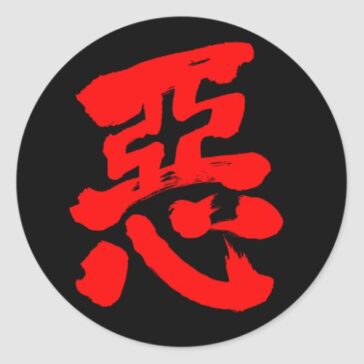
Japanese calls “Aku”, “Waru”. It’s old Kanji character. In a general sense, it is the opposite or lack of good. It can be a very broad concept, but in everyday use it often expresses deep wickedness in a narrower range. [Kanji] wickedness (red text) Classic Round Sticker
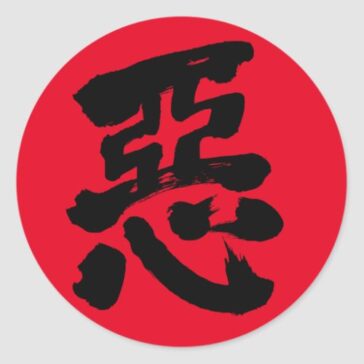
[Kanji] wickedness Classic Round Sticker In a general sense, it is the opposite or lack of good. It can be a very broad concept, but in everyday use it often expresses deep wickedness in a narrower range. Japanese calls “Aku”, “Waru”. It’s old Kanji character.

Un círculo dentro de tres calabazas para Kamon. Símbolo de plantas naturales y gráficos en la vejez para la familia japonesa. Nota: Calabaza: Se usaba como botella de agua y de licor. También se decía que tenía un efecto de amuleto. [Escudos familiares] Pegatina de un círculo dentro de 3 calabazas. Haz clic en el botón de abajo para ver… Leer más

japanese said “Geki”. It is mean very or much include strength. [Kanji] extremely (very, much) white letter Classic Round Sticker
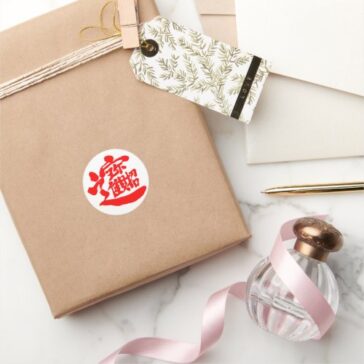
[Kanji] Treasures Round Sticker One of the few in the world, especially valuable. property. Especially important things that cannot be replaced with other things. Also, an irreplaceable person. japanese said “Takara”. It’s old and difficult letter in Chinese.
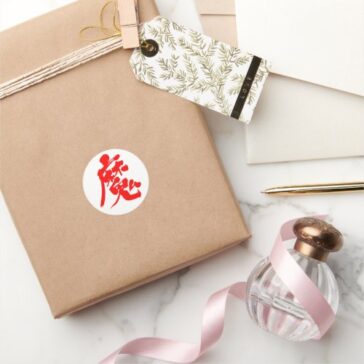
[Kanji] Evil spirit Classic Round Stickers A sound copy of the Sanskrit word māra, an abbreviation for Mara, meaning killing. japanese said “Ma”.
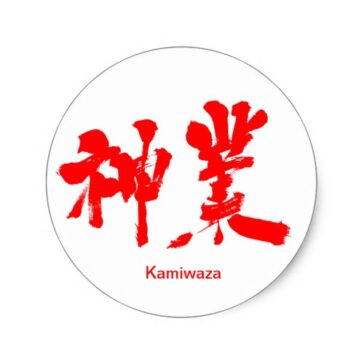
[Kanji] divine work Sticker God’s work. Also, such superhuman techniques and acts. Events about God. japanese said “Kami-Waza”.
[Kanji] Samurai Stickers It is the name of a government official in Japan from ancient times to the Middle Ages, or another name for a samurai that evolved from it.
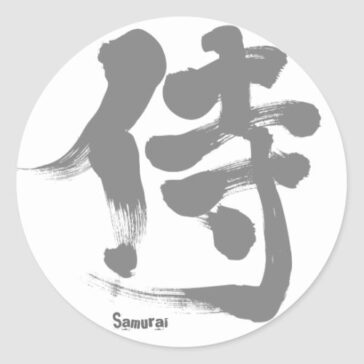
[Kanji] Samurai Stickers It is the name of a government official in Japan from ancient times to the Middle Ages, or another name for a samurai that evolved from it.
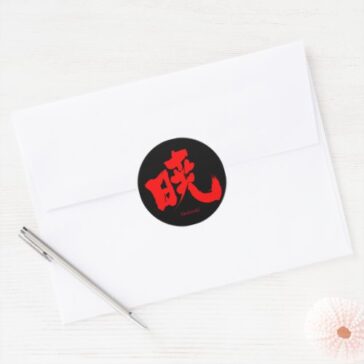
Time from midnight to dawn. Also dawn. [Kanji] Akatsuki (red text) Classic Round Sticker
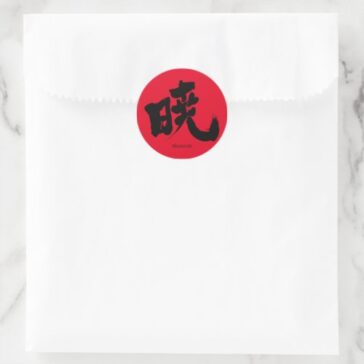
The darkest days before the rising sun. [Kanji] Akatsuki Classic Round Sticker
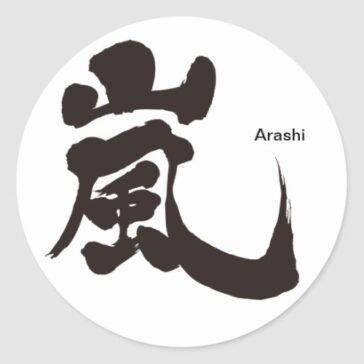
Es uno de los fenómenos naturales y meteorológicos. Se refiere a una tormenta acompañada de fuertes lluvias. [Kanji] Arashi Round Sticker
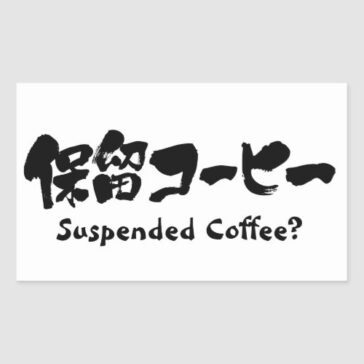
It is a system that pays in advance for someone who needs hot drinks or food. When ordering coffee at a cafe, you pay in advance what you don’t drink on the spot and provide it to the poor, such as the homeless. It’s in Japanese Kanji and Katakana with English. [Kanji + Katakana] … Read More