

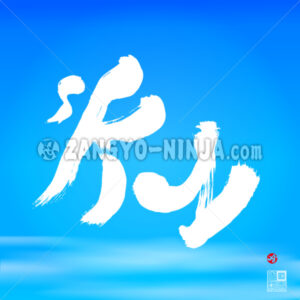
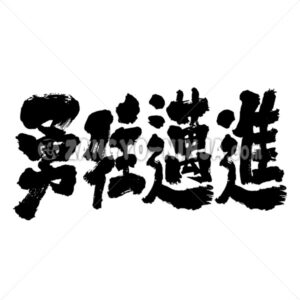
Esta es una frase representativa de ánimo japonés. Significa avanzar con valentía y de frente, refiriéndose a avanzar con entusiasmo y sin dudar hacia la meta. “勇往” (yūō) significa avanzar sin dudar. “邁進” (maishin) significa avanzar rápidamente y sin miedo. En japonés, a veces se expresan significados similares combinando diferentes kanji (o… Leer más
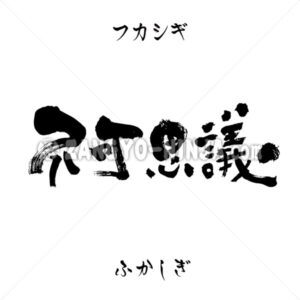
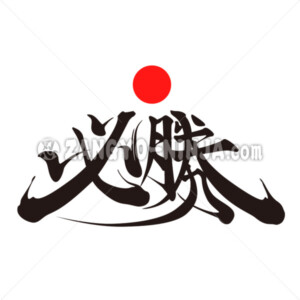
Este término se ha popularizado en el mundo del Shogi (ajedrez japonés). Se refiere a una situación en la que el resultado de una partida ya está decidido a favor de un bando. Se usa con frecuencia en las últimas etapas de una partida, cuando un bando ha obtenido una ventaja significativa… Leer más
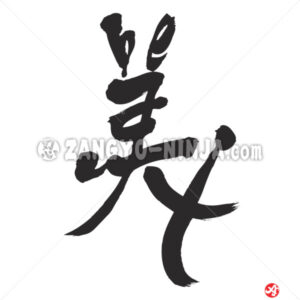
This is a work in which the Japanese word “美し” and the synonym are written in English “beauty”. It is written in English with Japanese in a method called bi-calligraphy. “美し” is a kind of abbreviation. It’s said “Utsuku-shi” in Japanese. It is described as “Utsuku-shi(美し)” in Japanese classics. Also, the nuance is slightly … Read More
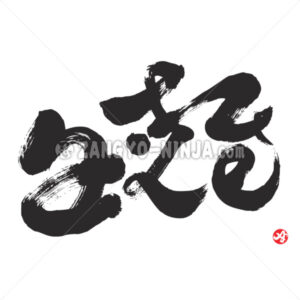
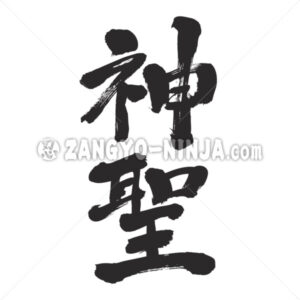
Description for Holly A precious and funny thing. Be clean and free of blemishes. In particular, as an object of religion and belief, it has a special and precious value that should be treated separately from everyday affairs and things.
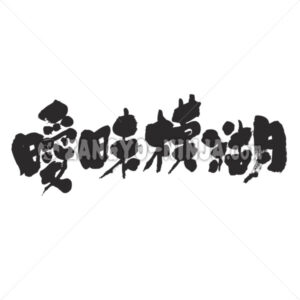
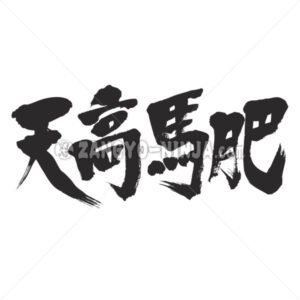
Descripción de ese clima refrescante y agradable del otoño en forma de expresiones idiomáticas de cuatro letras: En otoño, el cielo está despejado y el clima es agradable, lo que significa que aumenta el apetito y los caballos engordan. Cuando un sistema de alta presión migratorio que se desarrolla en el continente cubre suavemente las cercanías de Japón, se extiende un aire seco y refrescante. … Leer más
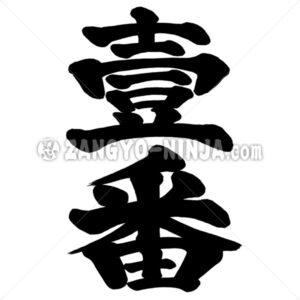
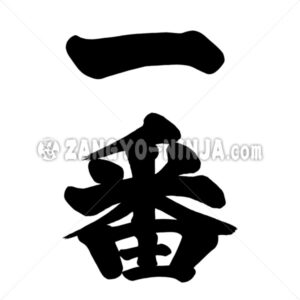
The top in Japanese has various ways of writing it, and this is one example. The beginning of the order and the top of the order. It is also used to mean the most. The first or highest in order or sequence. The meaning of the first element in the series that can be … Read More
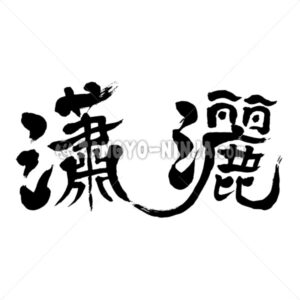
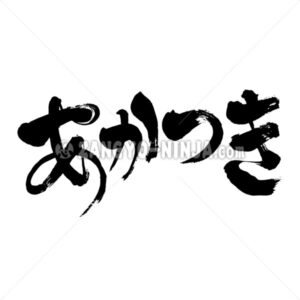
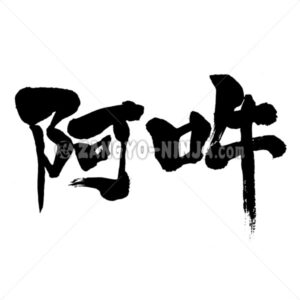
El principio y el fin de las cosas. Alfa y omega. De la A a la Z. En japonés se dice "A un". La primera letra del hiragana japonés es A (あ) y la última Nn (ん) se convierte en kanji. Es una palabra antigua.
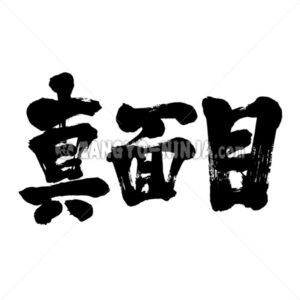
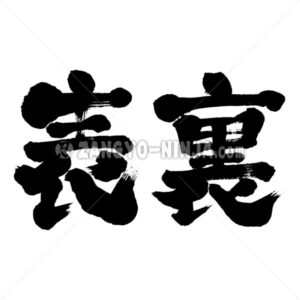
1. El anverso y el reverso de un objeto. El exterior y el interior de la materia. Además, debe existir una relación de anverso a reverso. Las posiciones entran en conflicto entre sí. 2. Existe una diferencia entre el exterior y el interior. La diferencia entre lo que dices y haces en público y lo que… Leer más
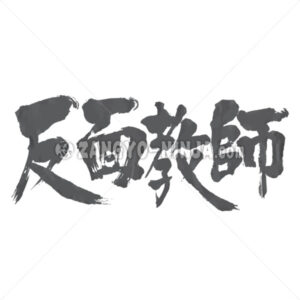
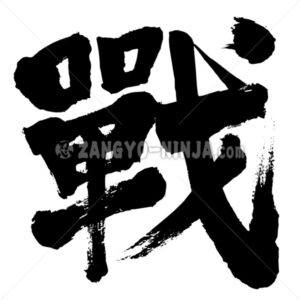
1. Fight with a weapon. 2. competition. It’s about to win or lose. It is a Kanji that old Japanese were using. With transliteration in Katakana that you can custom letter. Japanese says Ikusa.
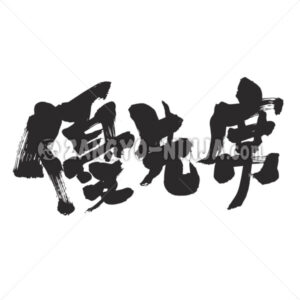
It is a seat that gives priority to or encourages the elderly, disabled, poorly ill, pregnant women, and families with infants (including strollers) installed in railroad cars and buses. Japanese says “yu sen seki”.
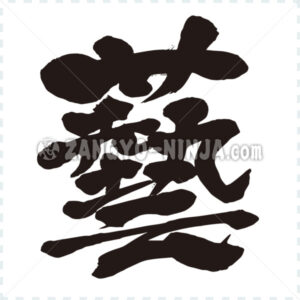
Special skills and techniques acquired through training, such as learning, martial arts, and traditional performing arts. A special move performed in public. Performing arts, acrobatics, etc. Japanese said “Gei” as old kanji letter.
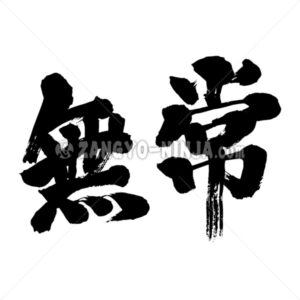
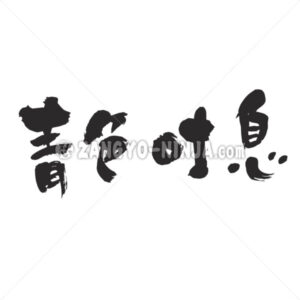
An unsatisfactory sigh when you are in very troubled or extremely painful. It also refers to the state at such time. When you have a lot of hard work and hard work, you are exhausted from your body and mind, and you have a hard time breathing. Japan call “Ai iro to iki”.
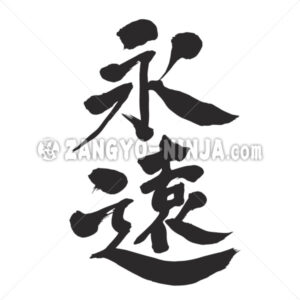
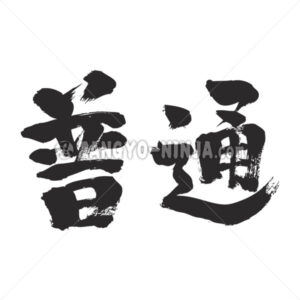
1. It is very common. Be normal. 2. To communicate widely or to the public. Also common to all things within a certain range, with no exceptions. Japan call “Fu tu”.
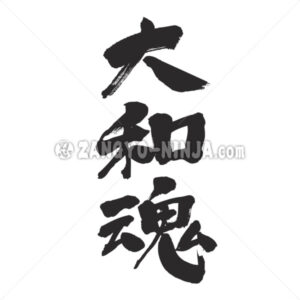
1. This refers to the ability and wisdom to handle Japanese business practices and current affairs for the knowledge gained from studying Han studies. 2. A spirit unique to the Japanese people, used in national ideology since the early modern times. Japanese consciousness. Japan says “Yamato Damashii”.
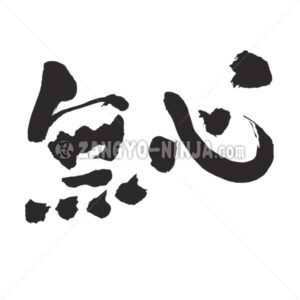
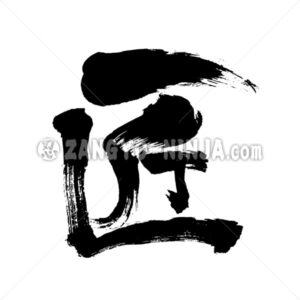
Description for Artisan A person whose job is to create works and buildings using hand techniques and tools. Techniques applied to workpieces and buildings. design. Preference. Technique to create beautiful things. The method that it found through thinking. In Japanese, it’s said Takumi.