

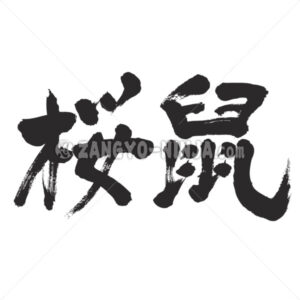
Un nombre de color. Sakura Nezumi es una flor de cerezo clara que se torna ligeramente gris carmesí pálido o negro tenue. El llamado cerezo Sakura (Sumizome). El color al que se adhiere el ratón con el nombre del color se puede ver desde principios del período Edo, pero parece que Sakura-Nezumi comenzó a ser… Leer más
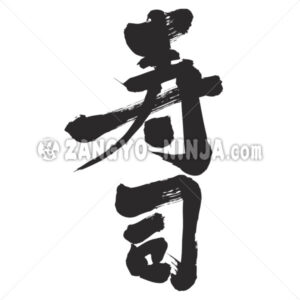
Description for Sushi foods Anything made with vinegared rice that also contain vegetables, spices, fish, or other delicacies.There are different kinds of “Sushi” and depending ON the locality. The most common is “Nigiri zushi” and originally produced in the Tokyo districet. Nigirizushi consists of small oval-shaped balls of rice seasoned with vinegar and sugar … Read More
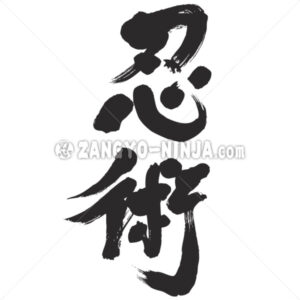
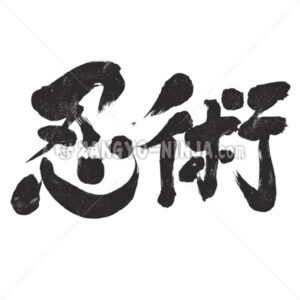
Special techniques used in military strategy during the samurai era. These techniques were used for purposes such as espionage, information gathering, plotting, and assassination, and involved disguises, invisibility, and trickery to take advantage of people’s weaknesses and act boldly and swiftly. The origins of these techniques can be found in China’s Sun Tzu’s Art … Read More
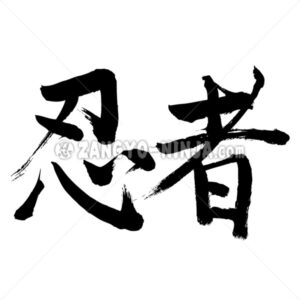
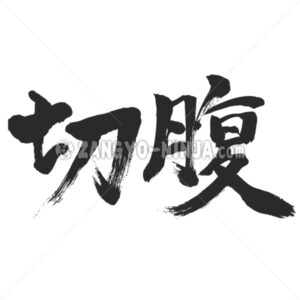
Suicidio ritual por autodestripamiento con espada. Una forma de suicidio ritual por destripamiento con arma blanca, practicada por los samuráis japoneses, especialmente para librarse de la vergüenza, como forma de protesta o, antiguamente, como método de pena capital. En japonés se dice Seppuku.
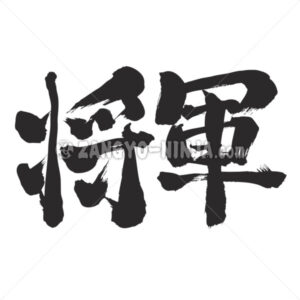
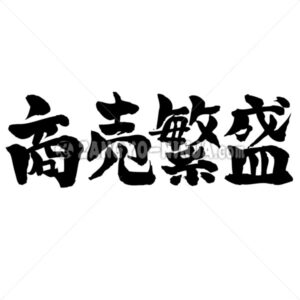
Negocio próspero y floreciente. Este kanji que puede cumplir tu deseo está escrito en modismos de cuatro letras. Es de hace mucho tiempo. En japonés se dice Sho-bai-han-jo.
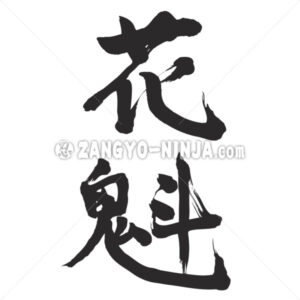
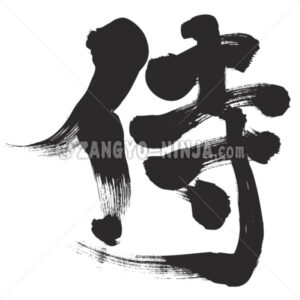
En el Japón feudal, un soldado que servía a un daimyo y a un shogun. Un guerrero japonés que era miembro de la aristocracia militar feudal.
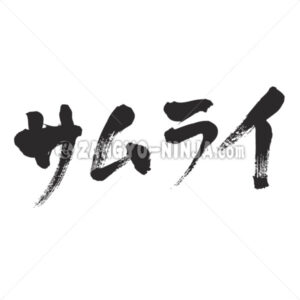
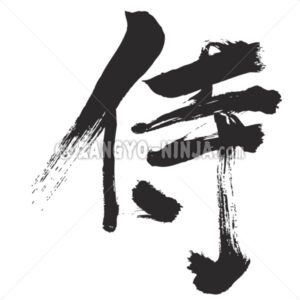
En el Japón feudal, un soldado que servía a un daimyo. Un guerrero japonés que era miembro de la aristocracia militar feudal.

Una técnica hortícola peculiar de Japón en la que los árboles se plantan en macetas pequeñas y se cultivan de forma que no dañen el paisaje natural. Es importante expresar la atmósfera de la naturaleza, y constituye un arte de la horticultura. Casi todas las variedades de zelkova, arce, ciruelo, etc., pueden convertirse en bonsáis, e incluso… Leer más
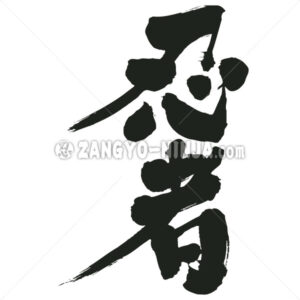
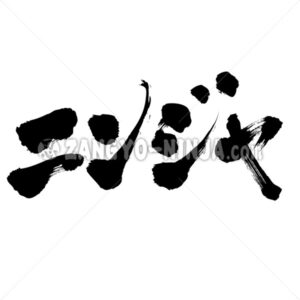
Esta es una caligrafía escrita en katakana para Ninja. Desde el período Muromachi hasta el período Edo, los ninjas eran individuos hábiles empleados por daimyos y señores feudales para llevar a cabo espionaje, sabotaje y asesinatos. Los ninjas que aparecen en dramas históricos, manga y anime son representados vistiendo ropa negra y operando bajo la cobertura… Leer más
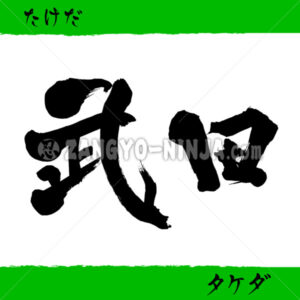
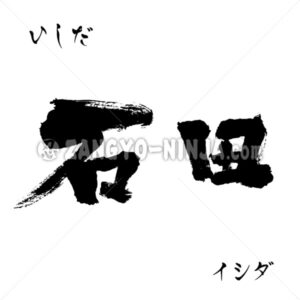
Hello, Mr. Ishida. This is an explanation of the origin of the surname Ishida, which is shared by your ancestors and friends. This surname is relatively common, with 260,000 people bearing it nationwide. Meaning of each character in this surname: “石” (pronounced ishi) → stone “田” (pronounced ta, da) → rice field As basic … Read More