
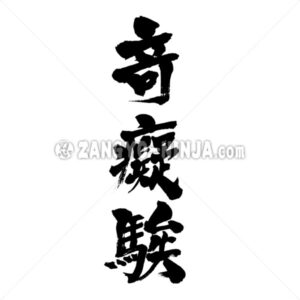
Read as Kichigai, this reading has two meanings. To be in an unusual state of mind, to speak or act in a manner that is not normal. To lose one’s mind. To be abnormally absorbed in one thing. Also, the person. Mania. This is a coined kanji character It reads “Kichigai,” originally written in … Read More

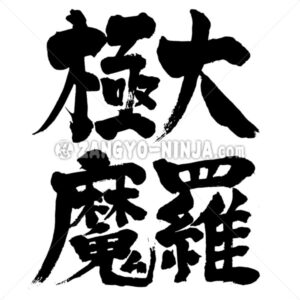
Son dos líneas horizontales con un total de cuatro caracteres kanji. La línea superior es un carácter kanji que significa extremadamente grande, y la línea inferior es jerga para pene. La línea inferior dice "Mala" en japonés. La etimología de la palabra es "algo que obstaculiza la práctica budista y engaña la mente humana". Y… Leer más
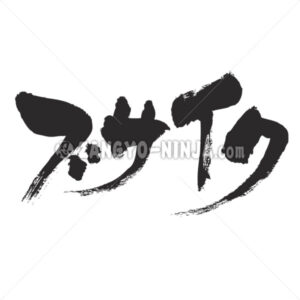
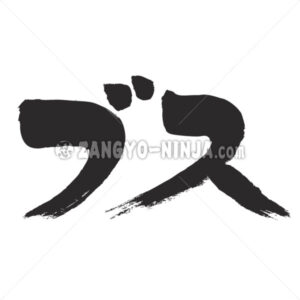
Se refiere a la apariencia de fealdad e inferioridad. Originalmente, se decía que el trabajo (artesanía) era deficiente. A su vez, se refiere a cosas generalmente desagradables o desfavorables. Además, también se incluye en la difamación. En japonés se dice "Busaiku" en katakana.

Un término despectivo del argot japonés que se refiere a una apariencia e impresión inferiores. Cara de mujer fea. También esa mujer. La palabra para maldecir a una mujer. Los japoneses dicen "Busu" en katakana. Existe una teoría sobre su etimología, pero se dice que proviene de "Shujo" o "Shikome". Además, la raíz del acónito se llama "bushi", que… Leer más
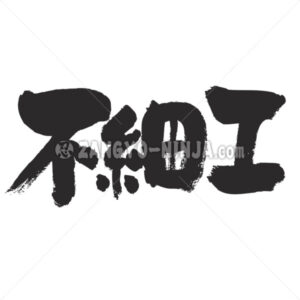
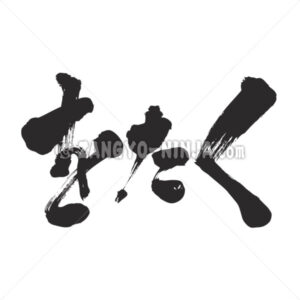
1. The work is not good. Bad workmanship. 2. It doesn’t look good. 3. The appearance is not sharp. Awkward. Japanese says “Bu sai ku”.

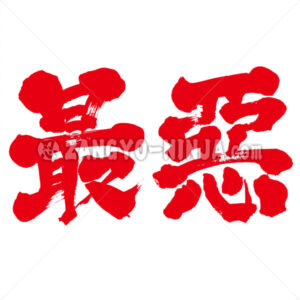
Description for worst and too bad “Worst” refers to the most unfavorable state or condition. It is a word that describes the lowest degree of something, representing the most unpleasant or unfortunate situation.
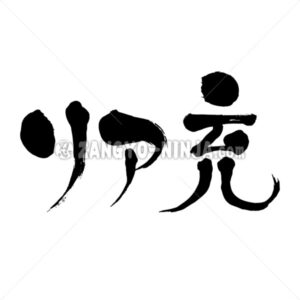
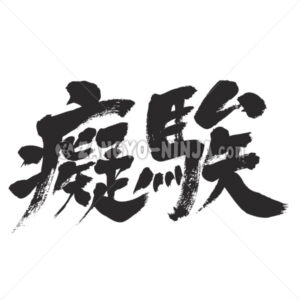
This is a word that originated on the internet. The term itself spread and became widely recognized around 2005 on 2channel, and was originally a neologism coined by those who spent most of their time in online communities to self-deprecatingly express that their real-life lives were not fulfilling. It was originally called “real-life fulfilling … Read More


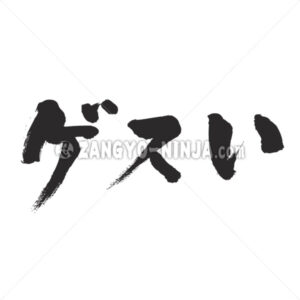
A person who is low-hearted. A low-ranking person. Because it is a slang term, it is not used in clever places such as business. Japan call “Ge su i” in Katakana and Hiragana.

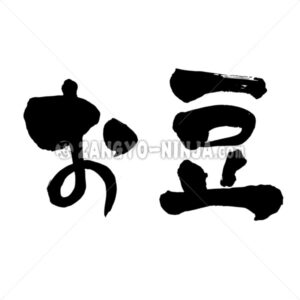
1. Semillas de plantas leguminosas. En particular, a veces se refiere a la soja. 2. De forma pequeña. 3. Clítoris (jerga). Es una palabra cortés; en Japón se le llama "O mame" en hiragana y kanji.
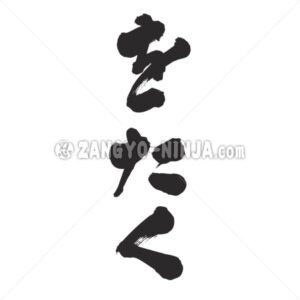
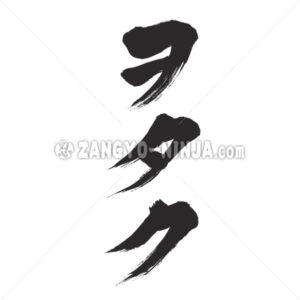
Una denominación para personas demasiado apegadas a sus cosas favoritas o áreas de interés. Es una persona que se entusiasma con algo mucho más que la gente común. Se escribe en hiragana japonés verticalmente. Normalmente se usa "お" como primera letra, pero en la jerga de internet y entre los otakus… Leer más

A designation for people who are too inclined to their favorite things or areas of interest. It is a person who is enthusiastic about a certain thing much more than ordinary people. It’s in Japanese Katakana vertically. It is normal notation to use “オ” for the first letter, but in net slang and otaku … Read More
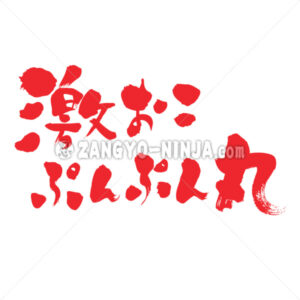
This is a coined word that has become popular among young people in Japan in recent years. This mean very angry, I’m so angry in combined Japanese Kanji and Hiragana. Japanese calls “Geki o ko pu n pu n maru”.

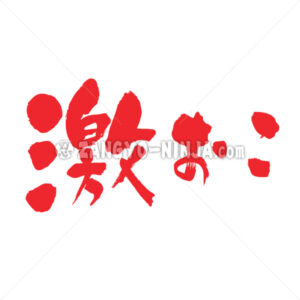
This mean angry, I’m angry. This is a coined word that has become popular among young people in Japan in recent years. Japanese calls “Geki o ko”.

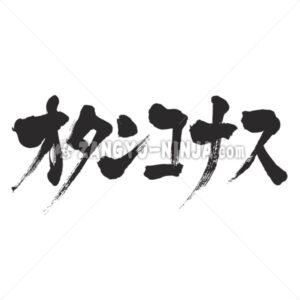
Esta palabra se refiere a personas estúpidas y lentas. En las palabras de "Otanchin", las prostitutas llamaban para quejarse de los malos clientes. Parece que hay varias razones para convertirse en una "Otankonasu".

In terms of strong interest and interest, otaku are no different from mania, intellectuals and scholars. An opinion that in the case of a socially unacceptable, or an assessor’s personally unacceptable hobby, an appearance or behavior or appearance, it is called a prejudice or a negative nerd, or a mania when expressing favorably Can … Read More
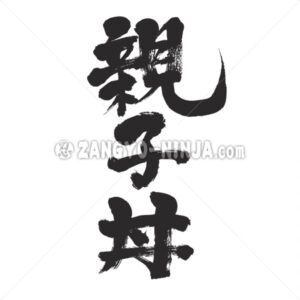
1. Stir-fried simmered chicken and onion, shiitake mushrooms, etc. are simmered with chicken eggs on a bowl of rice. It is said that it began around the middle of the Meiji era. Parents(Oya) and children(Ko) mean chicken and chicken eggs. 2. Having physical negotiations on both the mother and her daughter. Also, for one … Read More

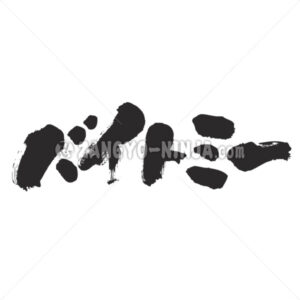
It is transliterated for Japanese Katakana. 1. With the upper and lower teeth, they crush and crush things. 2. In between the upper and lower teeth, it hurts. 3. The teeth of the two gears are aligned. 4. The water of the sea and the river rushed up. 5. Join as a companion. To … Read More

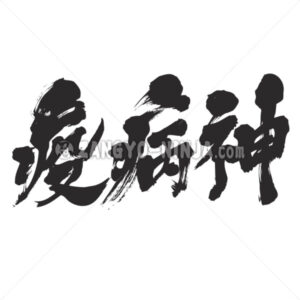
The god who causes the plague. Metaphorically, a person who is discouraged from people. Japanese says “Yaku byo gami”.

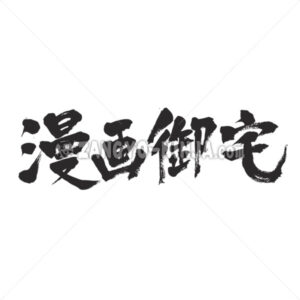
The word “otaku” is often used as a slang. A designation that refers to people who are extremely inclined to their favorite things or areas of interest. This meaning, many Manga in your home. First of all, there is no kanji called Otaku. This is coined word in Kanji.
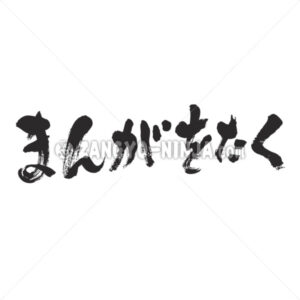
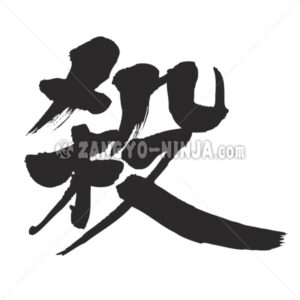
A designation that refers to people who are extremely inclined to their favorite things or areas of interest. The word “otaku” is often used as a slang. In this case, a person with unusual interest or hobbies in Manga.


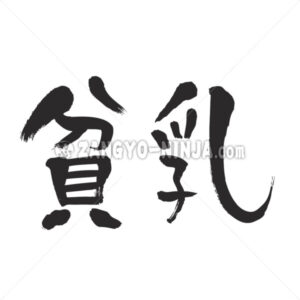
Women and their chests where chest swelling is not noticeable. It is often referred to as slang. Japan call “Hin nyu”.

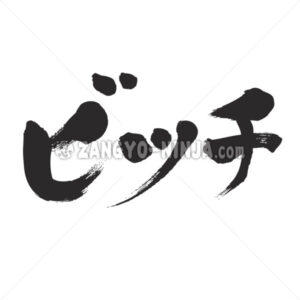
1. female of any member of the dog family. 2. informal terms for objecting. 3. a person who is thoroughly disliked. 4. an unpleasant difficulty. It’s in Japanese Kata-kana.
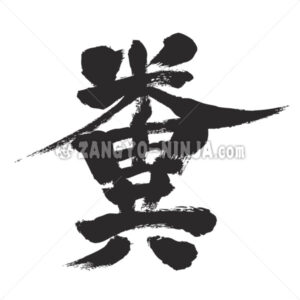
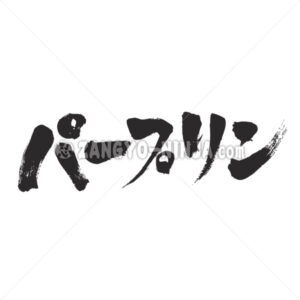
heces, excremento, excremento. una persona estúpida y tonta. términos obscenos para las heces. materia fecal de animales. Los japoneses dicen Kuso, Fun, Baba.


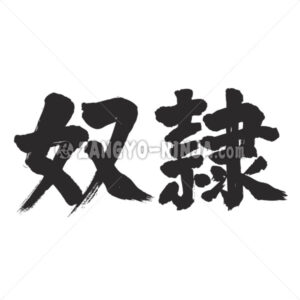
someone entirely dominated by some influence or person. someone held in bondage. in a subordinate position. Japanese says Do-Rei.

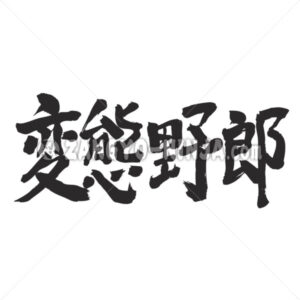
Un hombre al que le gustan las cosas descabelladas, usa palabras descabelladas y perturba significativamente la coordinación. En Japón se le llama "Hen tai ya ro"
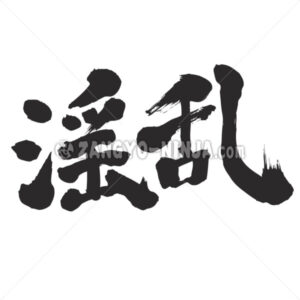
Being sexually disturbed by wanting obscene deeds. A person who takes even immoral behavior for his own sexual desire (lust). It is more often used for women than men. However, in the classics, it is used to mean spending a degree. Japanese calls “In Ran”.