

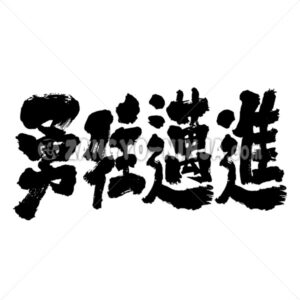
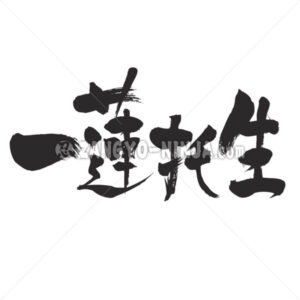
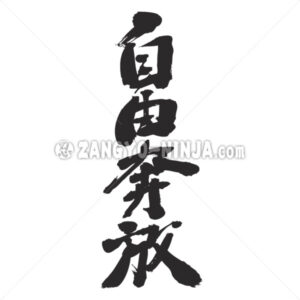
Esta es una frase representativa de ánimo japonés. Significa avanzar con valentía y de frente, refiriéndose a avanzar con entusiasmo y sin dudar hacia la meta. “勇往” (yūō) significa avanzar sin dudar. “邁進” (maishin) significa avanzar rápidamente y sin miedo. En japonés, a veces se expresan significados similares combinando diferentes kanji (o… Leer más
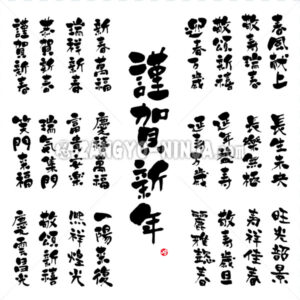
Handwritten and designed greetings for 25 types of New Year’s cards in Kanji. There are 2- and 4-character New Year’s greetings, which are words that are also used as 4-character phrases. (Some of them are not idioms and are not found in dictionaries.) Four-letter New Year’s greeting cards are considered to be used not … Read More
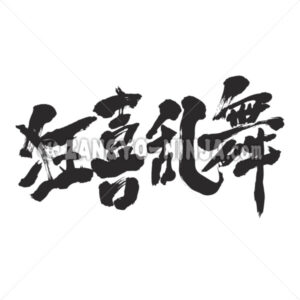
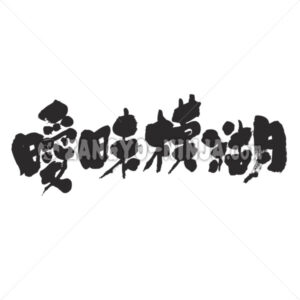
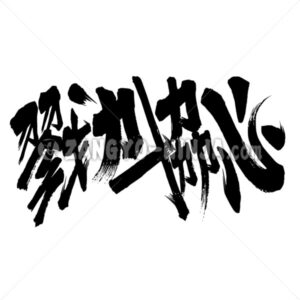
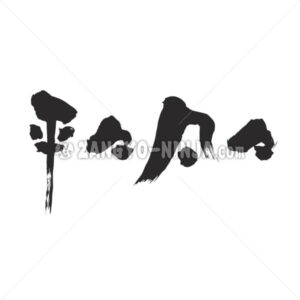
Descripción de "Obscure as four-letter modisms" (Modismos de cuatro letras): Es una palabra que se usa cuando estás en un estado ambiguo y no estás seguro de lo que quieres decir. Por ejemplo, se usa cuando no estás seguro de si está a punto de comenzar un romance o si simplemente se están llevando bien como amigos. Los japoneses dicen "Aimai-moko" como cuatro... Leer más
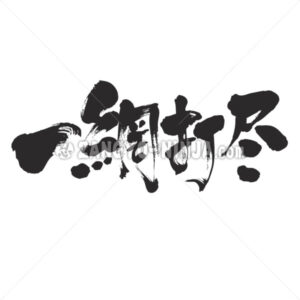
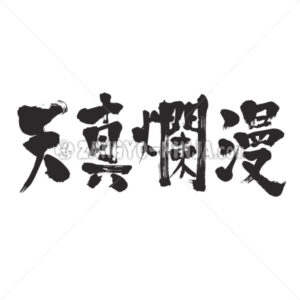
Explicación de simple e inocente. Una expresión que significa inocente y sin pretensiones. Inocente. "天真" significa la naturaleza de la naturaleza. "爛漫" significa brillante. Se dice que el origen de la palabra es la expresión que se usaba originalmente para describir una pintura de flores como una "obra fina sin adornos". Básicamente, se usa como un cumplido con… Leer más
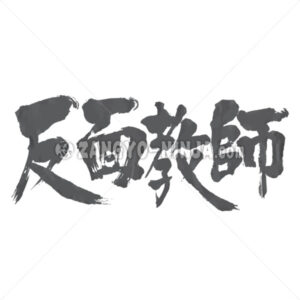
Un ejemplo del lado negativo, una persona o un caso que te muestra que no debería suceder al observarlo. Personas y casos que pueden ser fuente de reflexión al verlos. En japonés se dice "Han Men Kyou Shi".
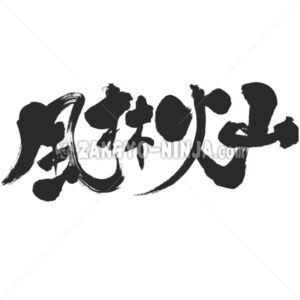
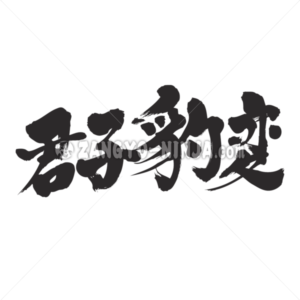
Hoy en día, se usa de forma negativa, diciendo: "Una persona que tiene razón cambia inmediatamente de actitud y abandona sus principios e ideas". Sin embargo, originalmente es una expresión positiva de cuatro caracteres que significa "una buena persona corrige inmediatamente sus errores y rápidamente mejora". En japonés se dice Kun-shi-hyo-hen.
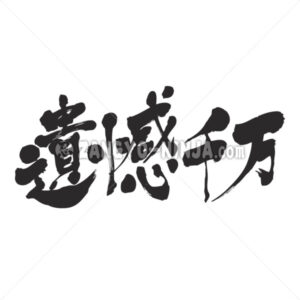
No me vienen las cosas a la mente y lamento estar muriendo. Es muy lamentable. En japonés se dice "i kan sen ban".
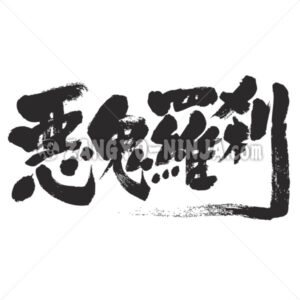
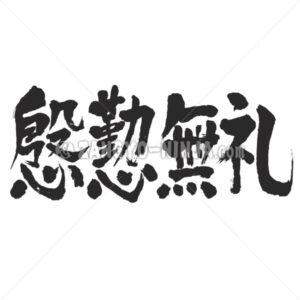
Being very polite and polite means that if you pass it, you will hate it and you will lose your courtesy. Also, although seemingly polite and polite, it is actually arrogant. Japanese says “in gin bu rei”.
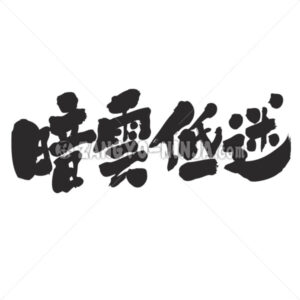
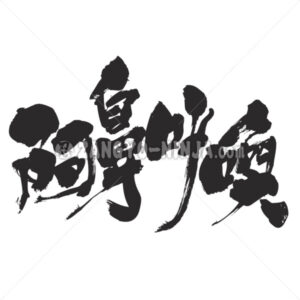
A man/woman who crying in extreme pain and seeking salvation. Very miserable and ugly. The situation was such that the deceased fell into hell and could not bear the torment and cried out loud. Annoying hell and screaming hell in Buddhism. Both are one of the eight great hells. It may also refer to … Read More
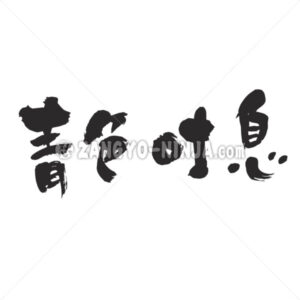
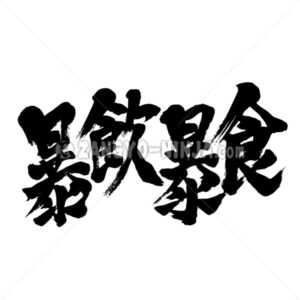
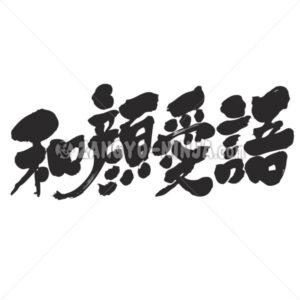
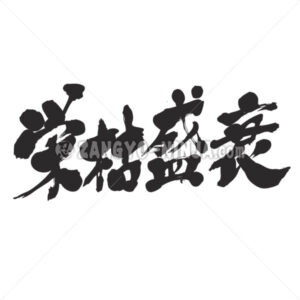
Prospering and declining. It refers to the faintness of a world of people who prosper and decline. Japan call “Ei ko sei sui”
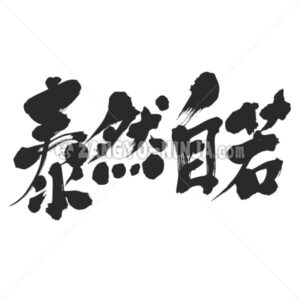
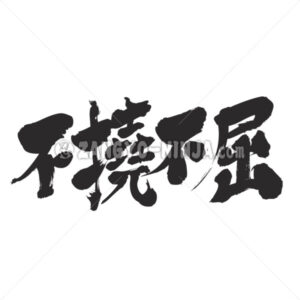
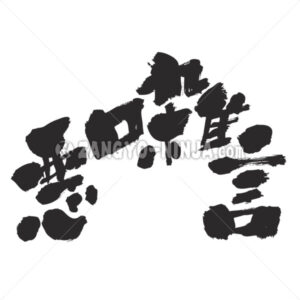
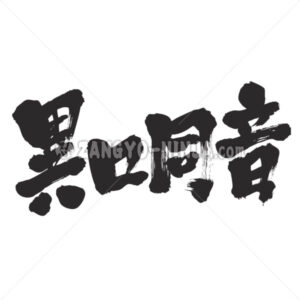
Many people all say the same thing in a row. That many people agree. Japan call “I ku do on” as four characters idiom in Kanji.
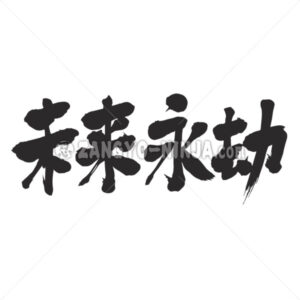
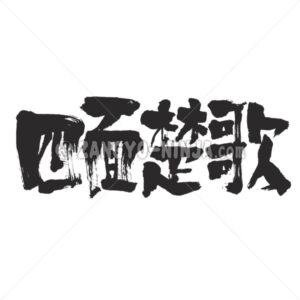
A parable of being isolated and surrounded by enemies and not asking for help. There is no friend around, the situation where only around is an opponent. Japanese says “Shi men so ka”.
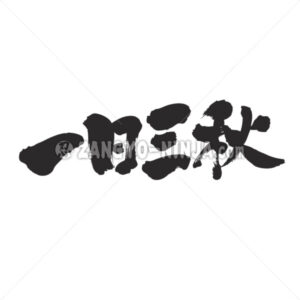
The feeling of thought is very strong. Also, a parable of having a feeling that a person or a thing wants to come early. Japanese says “Ichi niti san shu”.
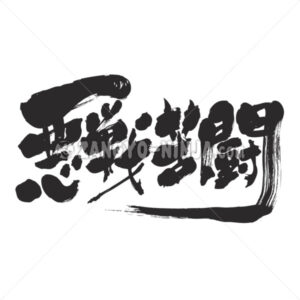
Make an effort with all your heart while suffering in a very difficult time. It is said that it is difficult to fight against a strong enemy and fight painfully. Japanese says “Aku sen ku to”.