
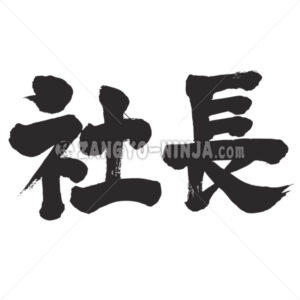
Japanese says “Sha Cho”. an executive officer of a firm or corporation. the leader of a group meeting. In a Japanese company it is often concurrent with CEO.

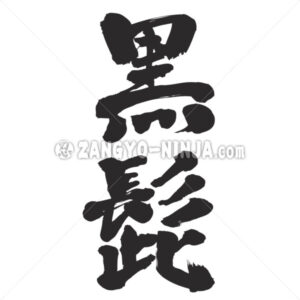
Japanese says Kuro-Hige. Person who grew black beard. an English pirate who operated in the Caribbean and off the Atlantic coast of North America.
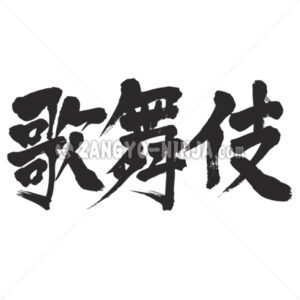
Kabuki is a classical Japanese dance-drama. Kabuki theatre is known for the stylization of its drama and for the elaborate make-up worn by some of its performers.

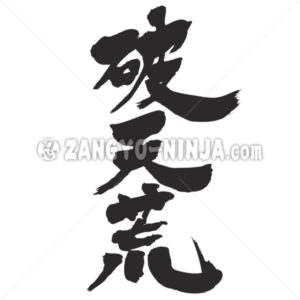
Doing things that no one has ever done. Breaking through unprecedented boundaries. Many Japanese people mistakenly think that they have a bold personality. In Japanese, It’s called “Ha Ten Ko”.
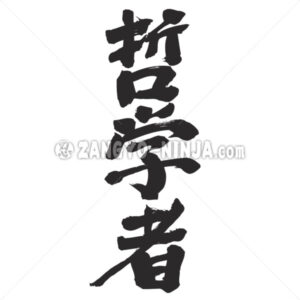
1. a specialist in philosophy. 2. a wise person who is calm and rational. Japan calls “Testu gaku sha”.

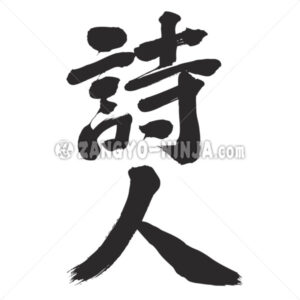
a writer of poems that the term is usually reserved for writers of good poetry. Japanese says “Shi jin”.
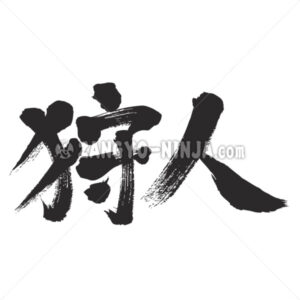
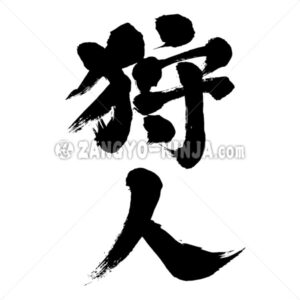
En japonés se dice Kariu-do, Karyu-do. Persona que persigue a la presa durante la caza. Persona cuya profesión es la caza.

A person whose profession is to catch birds and beasts in the fields and mountains. A person who chases prey when hunting. Japanese says Kariu-do, Karyu-do.
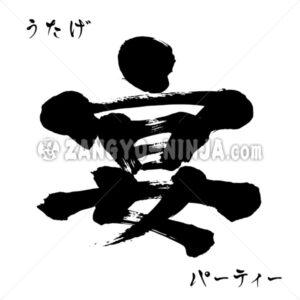
Description for Party To host a banquet with food and drink, enjoying entertainment such as song and dance. Also, to entertain guests. It’s said Utaga and En, in Japanese. Explanation of this calligraphy: The top row is in hiragana, the middle row in kanji, and the bottom row in katakana. The hiragana and katakana … Read More


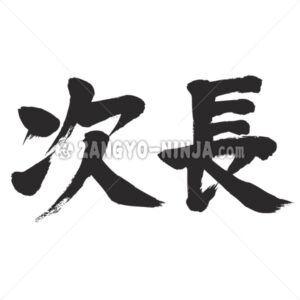
Persona responsable de la administración de una empresa. Generalmente, en una empresa japonesa, se la clasifica por encima del jefe de sección. Otros cargos incluyen: subdirector nacional, subcomisionado, subdirector de Asuntos Conmemorativos, vicepresidente, subdirector de Beneficios, subgerente, subdirector médico, subdirector, etc. En japonés se dice "Ji Cho".

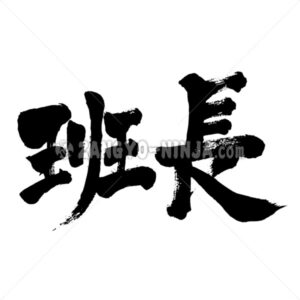
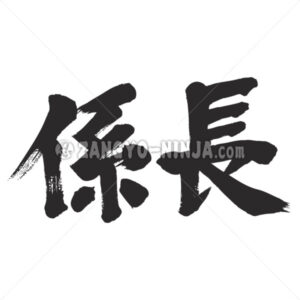
Un líder de grupo es el jefe de una unidad organizativa llamada grupo en una organización, grupo o escuela. Puesto utilizado principalmente en empresas, oficinas gubernamentales, etc. 1. Uno de los gerentes intermedios de empresas y corporaciones. Corresponde al jefe de sección o gerente. 2. Es un líder de un… Leer más
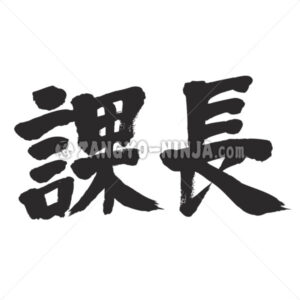
una designación que se refiere al departamento de una organización como una agencia gubernamental o una empresa, o a la persona a cargo de un departamento como una división. En japonés se dice "Ka Cho".


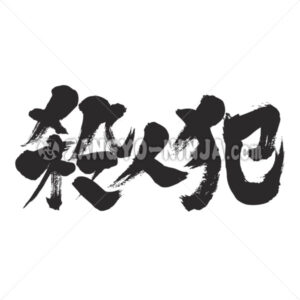
Una persona que ha cometido un delito de asesinato. El delito de asesinato es un delito que consiste en matar a personas. En japonés se dice "Satsu jin Han".

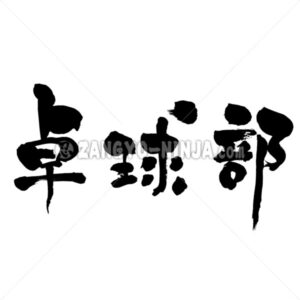
Table tennis is a highly competitive sport that is adopted by the official Olympic Games, while everyone is friendly. A group that plays the sport. Table tennis is adopted as a formal Olympic Games. Japanese says “Ta kyu bu”.
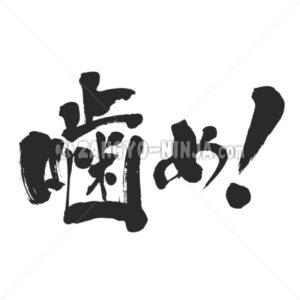
Japan calls “Ka me” in Japanese Kanji and Hiragana. 1. With the upper and lower teeth, they crush and crush things. 2. In between the upper and lower teeth, it hurts. 3. The teeth of the two gears are aligned. 4. The water of the sea and the river rushed up. 5. Join as … Read More

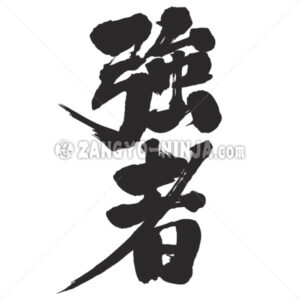
Un pastor de fuerza. Líderes políticos y dictadores que gobiernan con poder. En japonés se dice “Kyo sha”, “Tsuwa mono”.
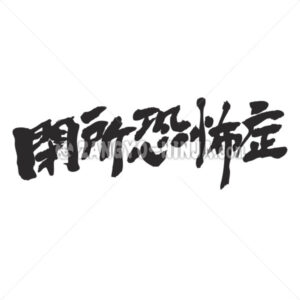
A kind of phobia. It is a symptom feels extreme fear of being in a confined narrow space or place. Japanese says “Hei Sho Kyou Fu Sho”.

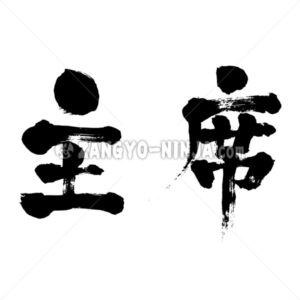
1 the leader of a group of people. 2 the head of a tribe or clan. 3 the head administrative officer of a college or university.Japan calls shu-seki.
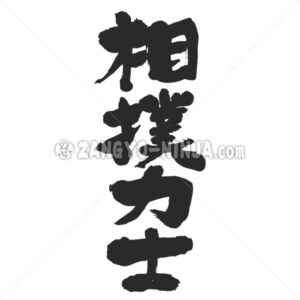
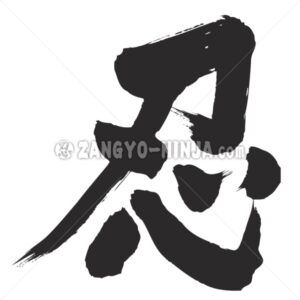
Japanese Kanji for Nin, Shinobu and Shinobi that is first letter Ninja endurance, forbearance, patience, self-restraint. one Japanese name Shibobu. Meaning of this Kanji (1) To suppress one’s feelings. To avoid expressing painful feelings. (2) To make one’s actions inconspicuous. To avoid publicity by hiding. (3) To be patient.
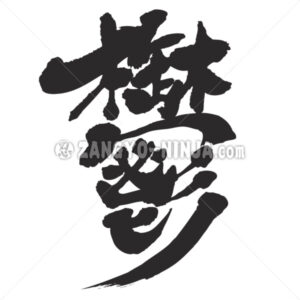
depressionlow spirits, depression, low spirits. a feeling of thoughtful sadness. Japanese says Utsu.

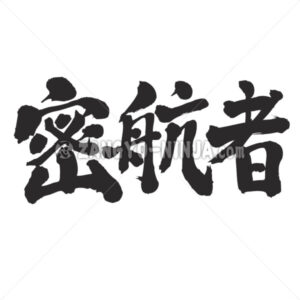
a person who hides aboard a ship or plane in the hope of getting free passage. It is said Mi-ko-sha in Japanese.
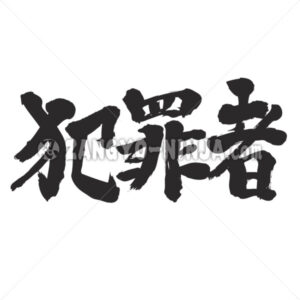
someone who has committed a crime or has been legally convicted of a crime. Japanese says Han-zai-sya.

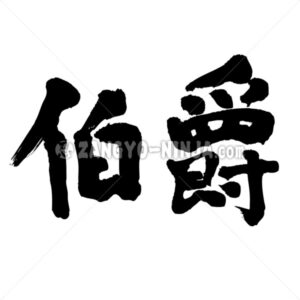
1. Un noble (en varios países) con un rango equivalente al de un conde británico. 2. Un par británico con un rango inferior al de un marqués y superior al de un vizconde. En japonés se dice haku-shaku.
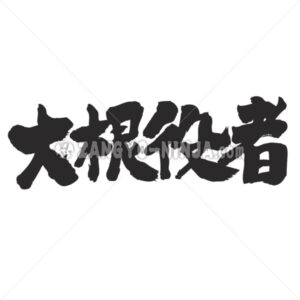
Un actor inexperto que sobreactúa. Un actor de baja categoría. En japonés se dice Dai-kon-yaku-sha. "Daikon Yakusha" o "Heta-kuso" (eres un mal actor) son expresiones que rara vez se escuchan actualmente; sin embargo, hasta antes de la guerra, se oían con frecuencia en los teatros.

Description for VIP A person whose actions or opinions exert a strong influence on matters Influential figure, person of character, prominent figure A highly influential and reputable person Great person, major figure A person who plays a crucial role in matters Key figure, key person, pivotal figure, key player, important person A person with … Read More