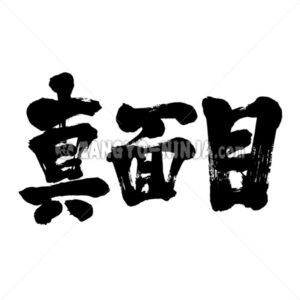
Preocupado por el trabajo o asuntos importantes en lugar de juegos o trivialidades. Míralo seriamente. Sé serio. Debe estar lleno de sentimiento y sin adornos. Los japoneses lo llaman “Ma ji me”.
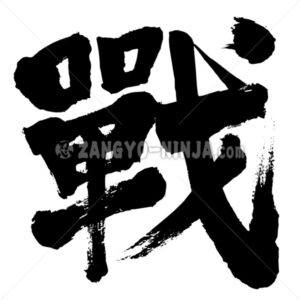
1. Fight with a weapon. 2. competition. It’s about to win or lose. It is a Kanji that old Japanese were using. With transliteration in Katakana that you can custom letter. Japanese says Ikusa.
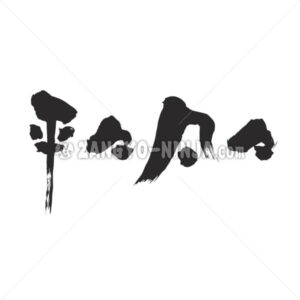
Muy común. No es normal y no tiene nada de especial ni de extraordinario. En japonés se dice "Hei hei bon bon", una palabra que refuerza el significado de "平凡" (ordinario) como modismo de cuatro caracteres.
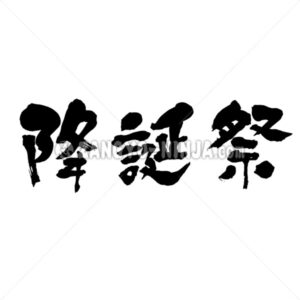
1. A holiday commemorating the birth of Jesus Christ. December 25th is the Roman-Catholic and Protestant churches, which are celebrated on January 7th in the Greek Orthodox Church and January 19th in the Armenian Church. 2. Since “Kotansai” is widely used by gods, Buddhas and monarchs, it is thought that “Seisansai” has also become … Read More
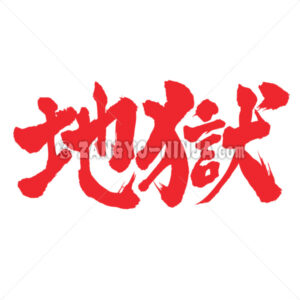
This etymology came from India in Buddhism. What used to be called “naraka” in Sanskrit was transcribed and transmitted to China to become “naraku”. In China, Naraka meant an underground prison, so it was omitted and became hell. It is said that the words “hell” and “naraku” were introduced to Japan. Japanese said “Ji … Read More
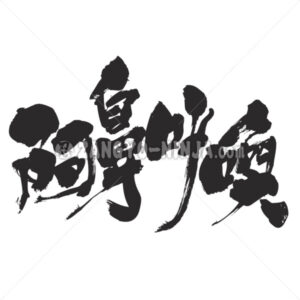

Esto no se trata de que la fecha indique una hora y fecha específicas, sino más bien de una explicación de la palabra japonesa "Date". El significado de esta palabra como "Date" es: hacer alarde del espíritu o la caballerosidad. También, la manera de hacerlo. Usar ropa llamativa o comportarse ostentosamente para llamar la atención. Dar aires de grandeza. … Leer más
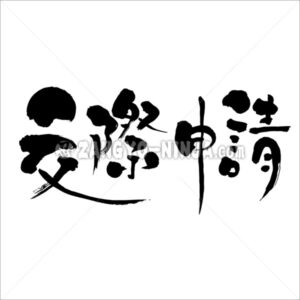
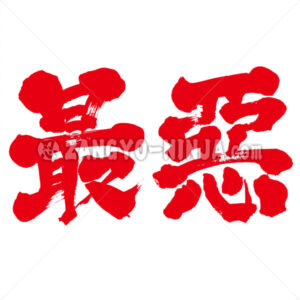
Description for worst and too bad “Worst” refers to the most unfavorable state or condition. It is a word that describes the lowest degree of something, representing the most unpleasant or unfortunate situation.
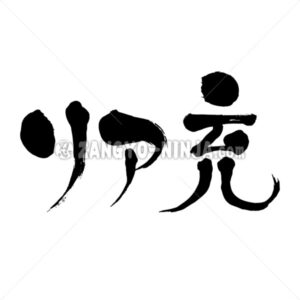
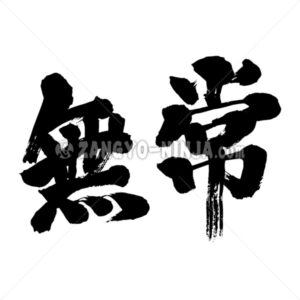
Buddhist language. Everything has changed, and it is not a permanent residence. Everything in this world changes quickly and does not stay in the same state for a while. Especially the ephemeral nature of life. Don’t know when you will die. Japanese says “Mu Jou”.
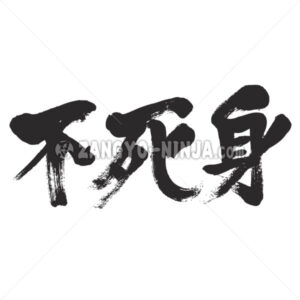
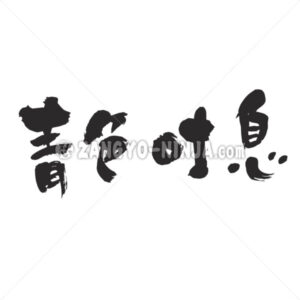
An unsatisfactory sigh when you are in very troubled or extremely painful. It also refers to the state at such time. When you have a lot of hard work and hard work, you are exhausted from your body and mind, and you have a hard time breathing. Japan call “Ai iro to iki”.
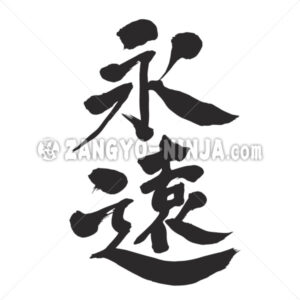
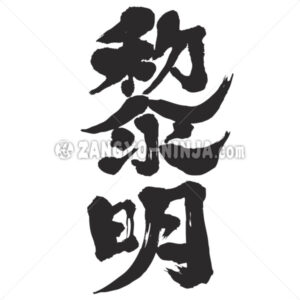
1. When the dawn was about to get into the morning. 2. When things are about to start. When a new culture is about to happen. Japan call “Rei mei”.
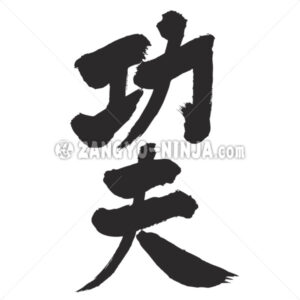
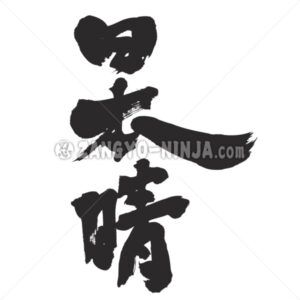
1. It is clear without a little cloud. 2. There is no doubt or anxiety, and feeling is clear. Japan call “Ni hon bare”.
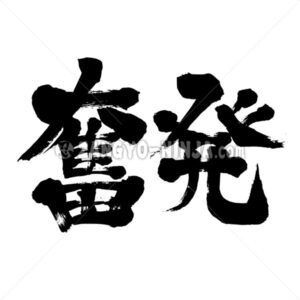
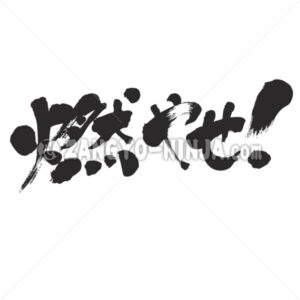
Order form of “burn”. To burn is to burn things etc. To uplift your mind and emotions. Japan call “Mo ya se” in Japanese Kanji and Hiragana.
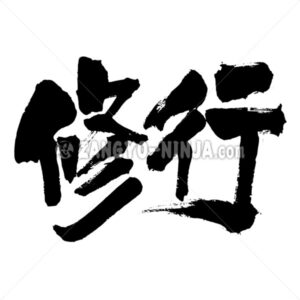
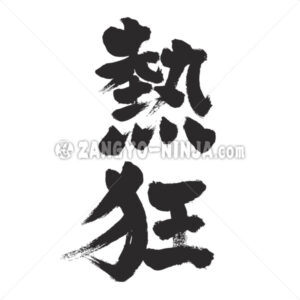
a sudden outburst. overflowing with eager enjoyment or approval. a lively interest. keen and shared excitement. the feeling of lively and cheerful joy. a feeling of excitement. Japan call “Nekkyo”.
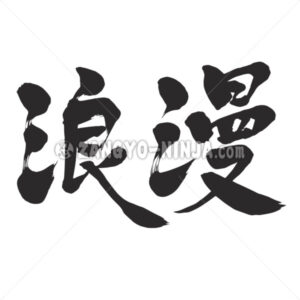
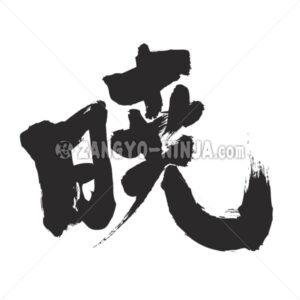
Description for Akatsuki The darkest days before the rising sun. In the old days, it is the time from half past to half of the night. dawn, daybreak. Clearly understand. It is also used for sports teams and company names. Used by the Japan Basketball Association as a nickname for the national basketball team … Read More
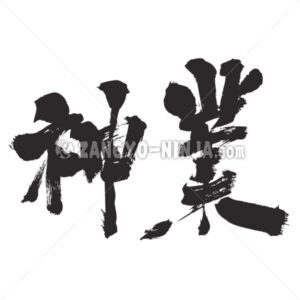
1. God’s work. Also, such superhuman skills and acts. 2. Events about God. Divine affairs. Japan call “Kami waza” “Kamu waza”.
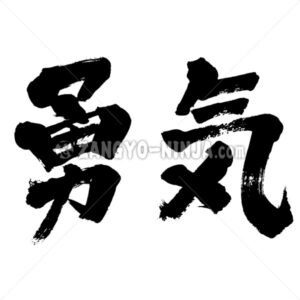
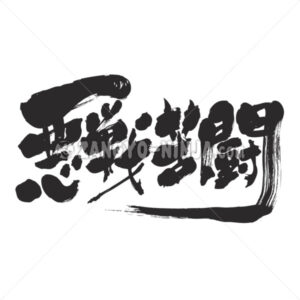
Make an effort with all your heart while suffering in a very difficult time. It is said that it is difficult to fight against a strong enemy and fight painfully. Japanese says “Aku sen ku to”.