
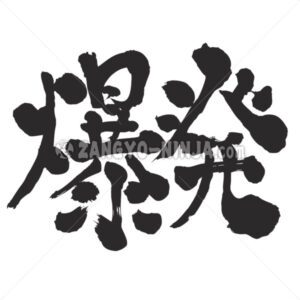
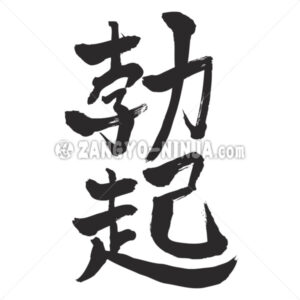
1. L'action d'exploser ou d'éclater. 2. Exploser et libérer de l'énergie par une violente réaction chimique ou physique. 3. Manifester une réaction émotionnelle violente. En japonais, on dit « Baku-hatsu ».
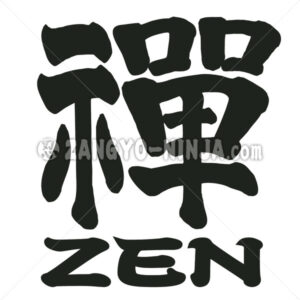
Description du Zen : doctrine bouddhiste selon laquelle l'éveil peut être atteint par une intuition directe. École du bouddhisme Mahayana affirmant que l'éveil s'obtient par la méditation et l'intuition plutôt que par la foi. Nom abrégé de la méditation assise : « 座禅 ». Il s'agit d'un ancien style de caractères japonais. « 禅 ». Comparez-le avec cette œuvre. En décomposant ce caractère, le… Lire la suite
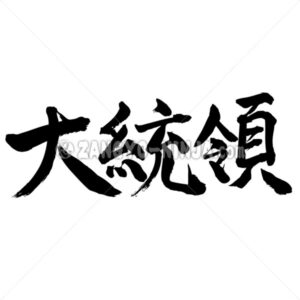
1. the chief executive of a republic. 2. the person who holds the office of head of state of the United States government. 3. the head administrative officer of a college or university. 4. For example, words of customers who are invited to a bar. Japanese says Dai-to-ryo.
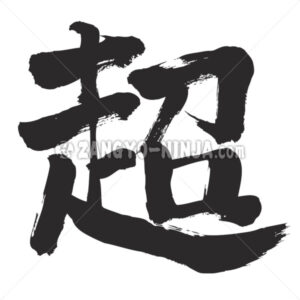
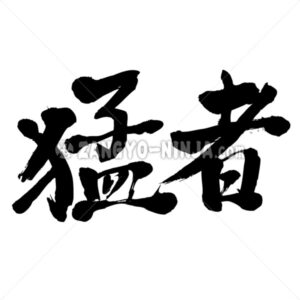
The kanji character “猛者” can be roughly translated as “tough guy”. ‘猛者’ is read as “mosa”. “mosa” refers to a person of exceptional strength and ability. It denotes not only physical strength but also experience, skill, and mental fortitude. In the Warring States period, it referred to brave samurai and soldiers who distinguished themselves … Read More
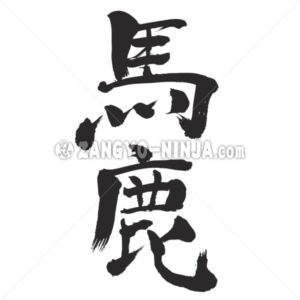
1. a person of subnormal intelligence. 2. a person who lacks good judgment. 3. the trait of acting stupidly or rashly. This is wrote by 馬(house) with 鹿(deer) in Japanese. Japanese says Ba-ka.
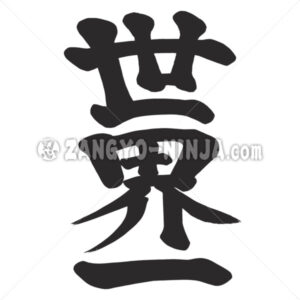
Le mot « top » en japonais s'écrit de différentes manières, et voici un exemple : le meilleur (le plus grand) au monde, le sommet mondial. En japonais, on dit « Se-kai-ichi ». Qu'est-ce que le style Ichiban ? L'œuvre intitulée « Ichiban » a été créée par « Aokage », l'administrateur de ce site, et « Aokimono », un contributeur. Elle a d'abord démontré une audace et une substance remarquables… Lire la suite
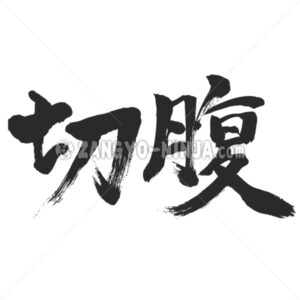
Ritual suicide by self-disembowelment on a sword. A form of ritual suicide by disembowelment using a blade, practiced by Japanese samurai, especially to rid oneself of shame, as a means of protest or, formerly, as a method of capital punishment. Japanese says Seppuku.
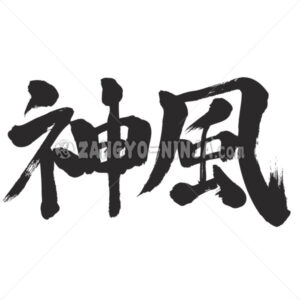
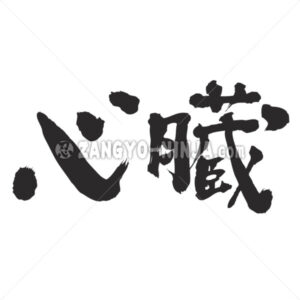
cardiac,heart,cor,cordis,conducting system of the heart,coeur 1. the hollow muscular organ located behind the sternum and between the lungs. 2. the choicest or most essential or most vital part of some idea or experience. Japanese says Shin-zo.
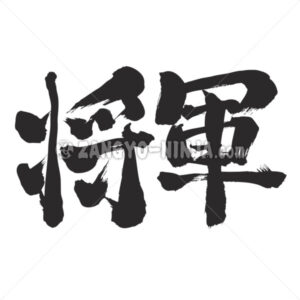
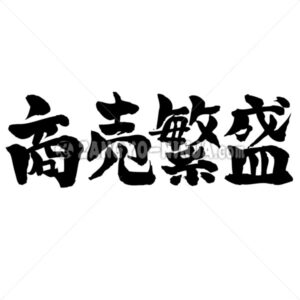
thriving prosperous business. This Kanji that can fulfill your wish is written in four letter idioms. It’s from long ago. Japanese says Sho-bai-han-jo.
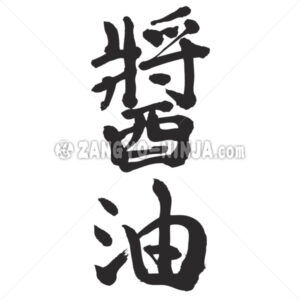
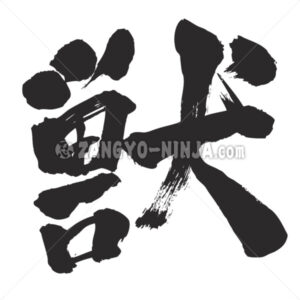
a beast. an animal. a beast of a man. a living organism characterized by voluntary movement. Japanese says Kemono or Kedamono.
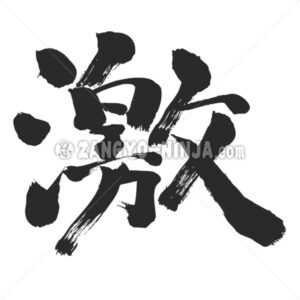
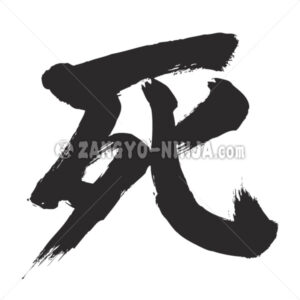
1. the event of dying or departure from life. 2. the personification of death. 3. the permanent end of all life functions in an organism or part of an organism. 4. the time at which life ends. japanese says Shi.
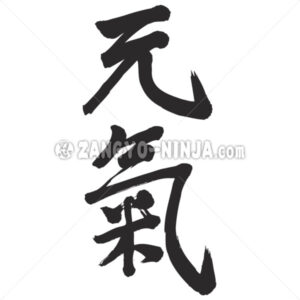
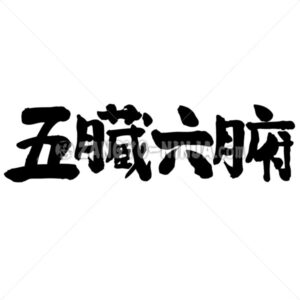
It is the name of the internal organs of the human body in Chinese medicine, and the five organs are liver, heart, spleen, lungs, and kidneys. six organs refers to the six gall bladder, small intestine, stomach, large intestine, bladder, and sansho. If you compare the five viscera and six organs with the organs … Read More