

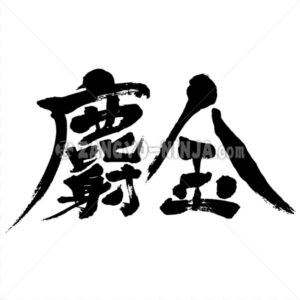
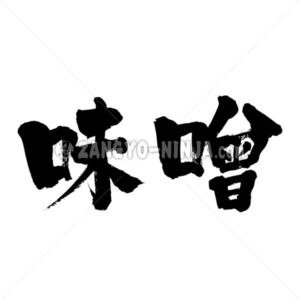
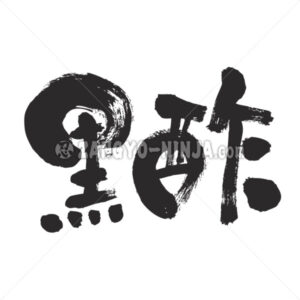
1. Un assaisonnement japonais. Des fèves de soja cuites à la vapeur, fermentées avec du sel et du koji. 2. Une préparation similaire au miso, par sa couleur et sa texture, contenue dans les carapaces de crabes et de crevettes. 3. Des avantages dont on peut être fier. Un point de divergence entre les idées et les concepts.
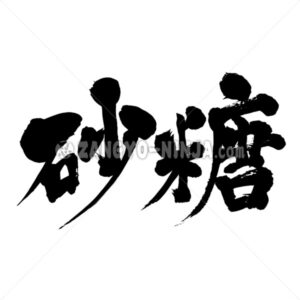
White crystals soluble in water. Sugar cane, sugar beet etc. Used for seasoning. Simple sugars are called monosaccharides and include glucose, fructose, and galactose. Japanese says “Sato”. Sugar Ingredients It can be divided into “cane sugar,” derived from sugar cane (the main raw material), and “sugar beets,” derived from sugar beet. Both cane sugar … Read More
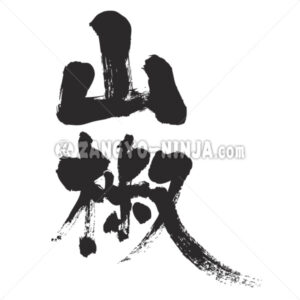
1. Australian tree having alternate simple leaves and slender axillary spikes of white flowers 2. any of a number of trees or shrubs of the genus Zanthoxylum having spiny branches. Japanese says San-Sho.
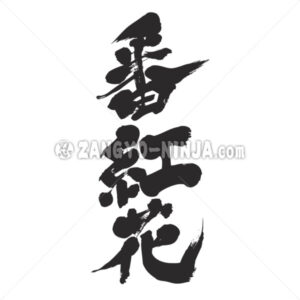
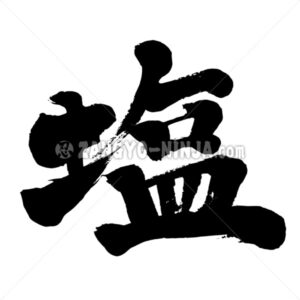
white crystalline form of especially sodium chloride used to season and preserve food. Japanese says shio.
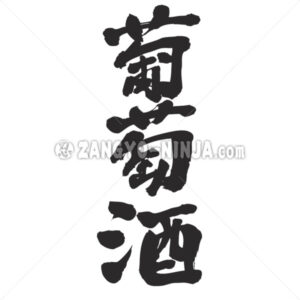
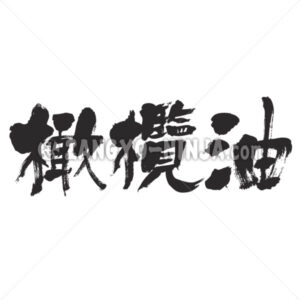
Olive oil is an oil obtained from the olive (Olea europaea; family Oleaceae), a traditional tree crop of the Mediterranean Basin. It is commonly used in cooking, cosmetics, pharmaceuticals, and soaps and as a fuel for traditional oil lamps. Olive oil is used throughout the world, but especially in the Mediterranean countries.
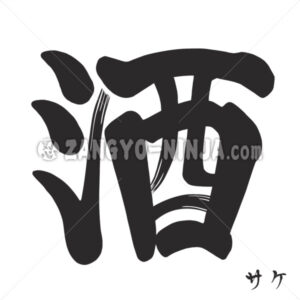
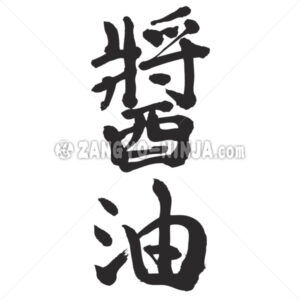
One of the most important seasonings in Japan, unique to Japan. Soy sauce koji made from soybeans and wheat is prepared by adding a concentrated salt solution and squeezed and fermented for about one year. Japanese says Sho-yu, Shou-yu. It is an essential seasoning for Japanese people When you get off at an overseas … Read More