

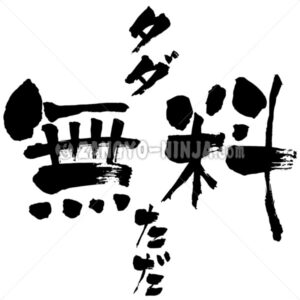
Aucun prix n'est indiqué pour les biens ou les services. Écriture verticale libre en katakana japonais. Écriture horizontale libre en kanji japonais. Écriture verticale libre en hiragana japonais. L'hiragana et le katakana sont des transcriptions familières des kanji ; leur signification peut donc varier selon l'écriture. En japonais, on dit « tada » en katakana et… Lire la suite
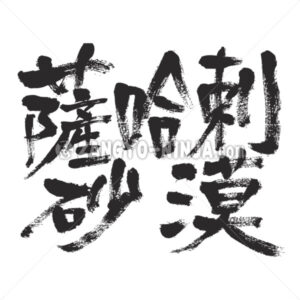
Le Sahara, le plus grand désert du monde, s'étend sur la partie nord du continent africain. Son nom signifie « désert » en arabe. Il occupe environ un tiers de la superficie totale de l'Afrique. Principalement composé de déserts rocailleux, à l'exception de quelques dunes, il est riche en ressources souterraines telles que le pétrole… Lire la suite
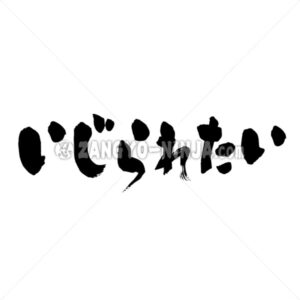
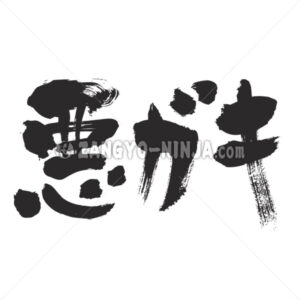
Being bullied or teased by half a joke. Unlike being bullied, treating the other person with love. Be careful, as it can be bullied if it goes too far. Japanese said “I ji ra re ta i”.
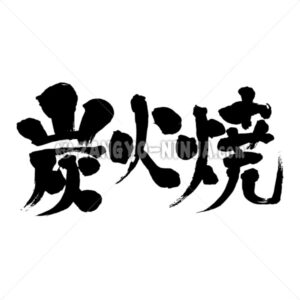
A dish in which the ingredients are grilled over an open flame using charcoal fire that was created using charcoal as fuel. Charcoal fire emits far infrared rays four times as much as gas, and radiant heat directly burns ingredients. In the case of gas containing hydrogen, it generates water vapor. Charcoal, on the … Read More
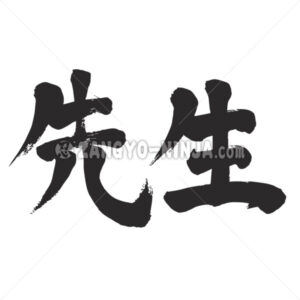
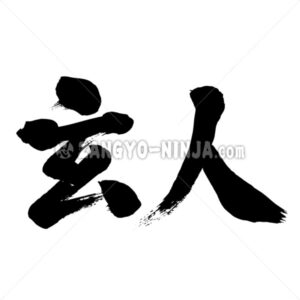
Description for professional A person who is proficient in arts and crafts. A person who specializes in one thing. Women in the restaurant, bar, or nightclub business, such as geisha and hostess. Its said “Kurou to” and “Kuro to”, in Japanese.

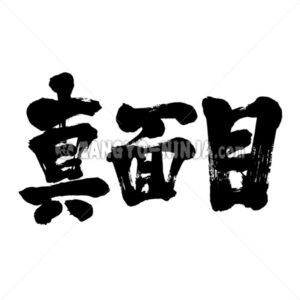
concerned with work or important matters rather than play or trivialities. Have a serious look. Be serious. It should be full of heart and no decoration. Japanese calls “Ma ji me”.
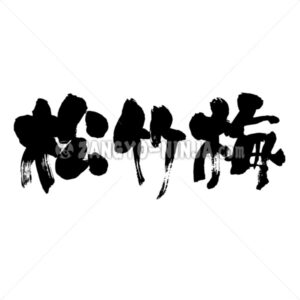
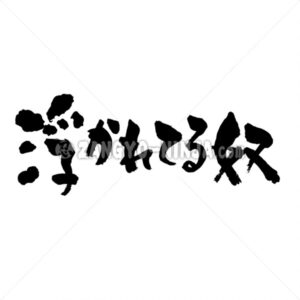
Quelqu'un de joyeux. Une personne heureuse et enthousiaste. Quelqu'un qui est fasciné par le divertissement. En japonais, on dit « U ka re te i ru yatsu ».
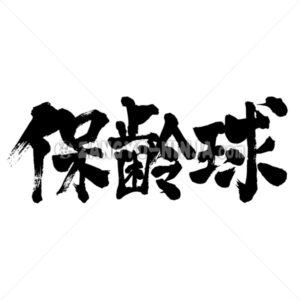
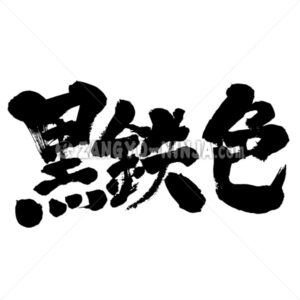
Une couleur à l'aspect métallique brillant, nettement différent d'un aspect classique. Elle est souvent utilisée dans l'électroménager et le design d'emballages. En peinture automobile, on observe la teinte et la texture caractéristiques de ce matériau brillant, principalement obtenu par mélange de poudre d'aluminium. … Lire la suite
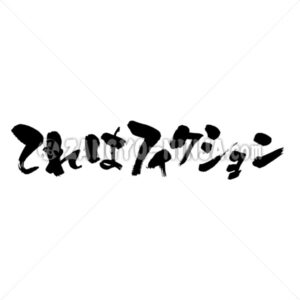
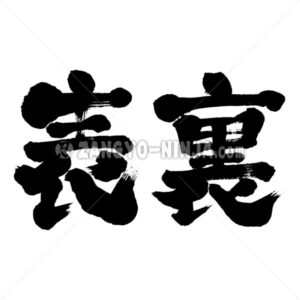
1. The front and back of an object. The outside and inside of the matter. Also, it must be in a front-to-back relationship. Positions and positions conflict with each other. 2. There is a difference between the outside and the inside. The difference between what you say and do in public and what you … Read More
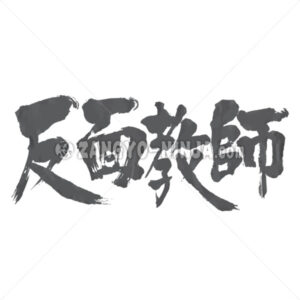
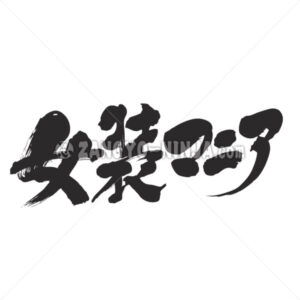
Le travestissement désigne généralement le fait pour un homme de porter des vêtements féminins (maquillage et coiffure compris). Dans ce contexte, il s'agit d'une personne qui excelle dans l'art de se travestir et qui s'y consacre pleinement. En japonais, on utilise le terme « joso-ma-ni-a ».
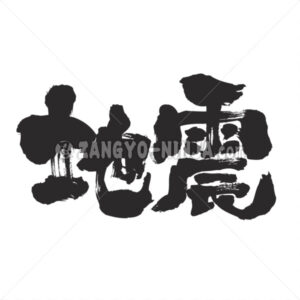
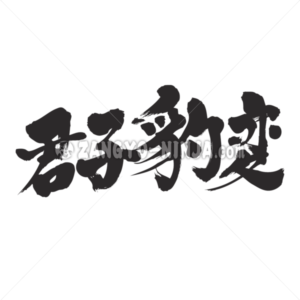
Nowadays, it is used in a negative way, saying, “A person who has a good point will immediately change his attitude and abandon his principles and ideas.” However, originally, it is a positive four-character idiom that “a good person immediately corrects his mistakes and quickly goes for the better.” Japanese calls Kun-shi-hyo-hen.
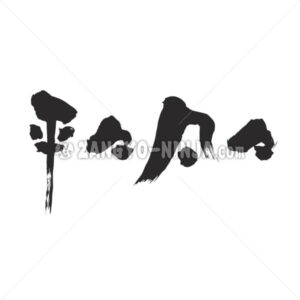
Very common. It is not average and there is nothing particularly good or unusual. Japanese says “Hei hei bon bon”. A word that strengthens “平凡(ordinary)” as four character idiom.
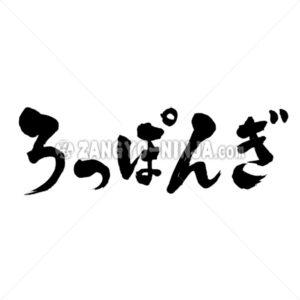
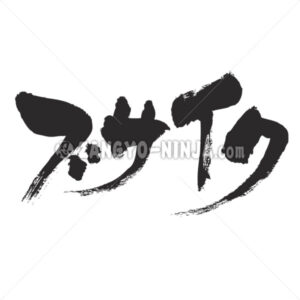
Ce terme désigne une apparence laide et inférieure. À l'origine, il signifiait que le travail (artisanat) était de mauvaise qualité. Par extension, il désigne des choses généralement inesthétiques ou déplaisantes. De plus, il est parfois utilisé dans le cadre de la calomnie. En japonais, on dit « Busaiku » en katakana.
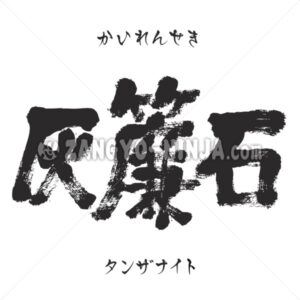
What is Tanzanite? Tanzanite was first discovered in the Merelani Mine located in the Arusha region of Tanzania, East Africa. It is a stone formed when vanadium, a type of mineral, entered the rock through some process. Its most distinctive feature is its pleochroism, appearing blue to purple. This phenomenon is extremely rare, meaning … Read More
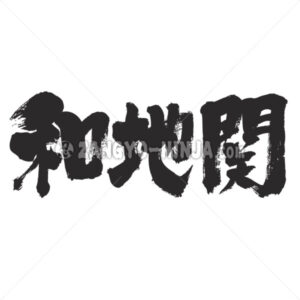
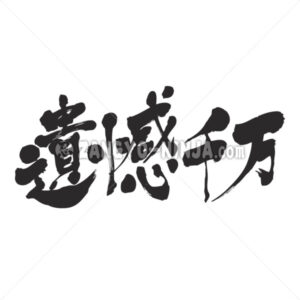
Things don’t come to my mind, and I’m sorry to be dying. It’s very regrettable. Japanese says “i kan sen ban”.
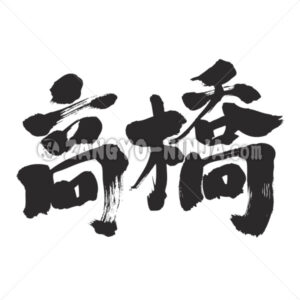
Bonjour Monsieur Takahashi. Voici l'explication de l'origine du nom de famille Takahashi, porté par vos ancêtres et amis. Ce nom dérive du toponyme « Takahashi », présent dans différentes régions du pays. « Takahashi » signifie « le bord d'une colline » ou « un pont élevé », et ce lieu a été nommé ainsi… Lire la suite