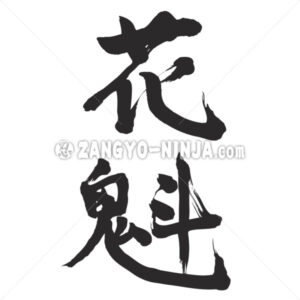

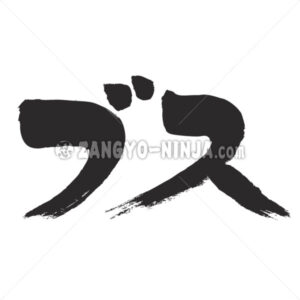
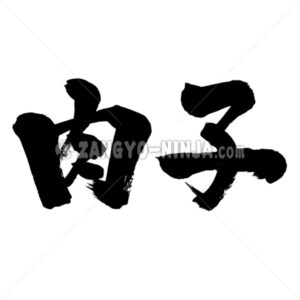
C'est un néologisme. Ça désigne une fille qui aime manger de la viande, du yakiniku (bœuf, porc et poulet). Ou bien, c'est de l'argot ; ça désigne une femme forte ou une femme corpulente. En japonais, on dit « niku-ko ».
vecteur
non évalué
$0.00 – $1,490.00
Sélectionner la licence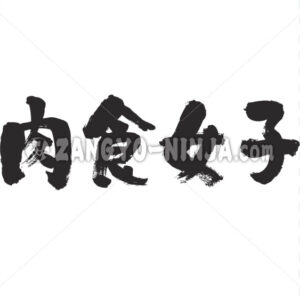
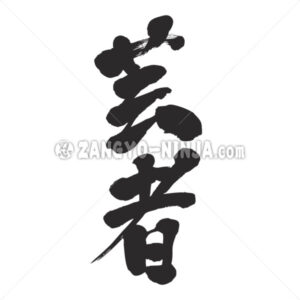
1. A woman with a job that entertains guests by providing entertainment to singing, dancing, etc. at banquet seats. 2. People who are good at play.
vecteur
non évalué
$0.00 – $1,490.00
Sélectionner la licence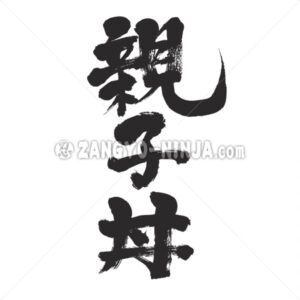
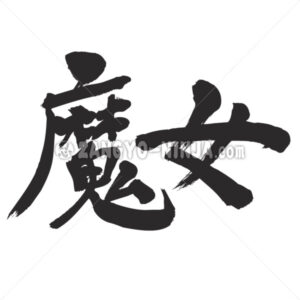
In general, a female witchcraft who brings misfortune to others in a supernatural way. 1. A woman who acquired magic power in association with evil spirits in Europe’s secular beliefs. Because of its supernatural ability, he was considered to act wrongly to human beings and harm the church. 2. A devilish woman. 3. A … Read More
vecteur
non évalué
$0.00 – $1,490.00
Sélectionner la licence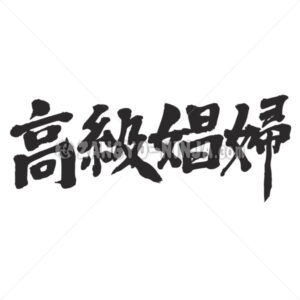
vecteur
non évalué
$0.00 – $1,490.00
Sélectionner la licence