
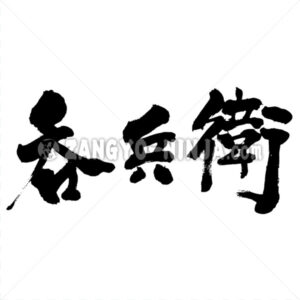
A person who loves alcohol and drinks frequently A term used to describe a person who likes to drink heavily or who drinks frequently, as if it were a person’s name. It is important to understand that this word is not a compliment, as it also carries the image of a person who drinks … Read More

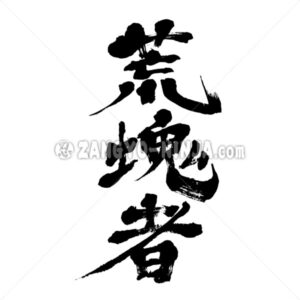
Un mot en kanji qui décrit le caractère et les prédispositions d'une personne. Une personne au tempérament rude et au comportement violent. Expression classique, elle n'est plus utilisée dans le langage courant moderne, mais on la rencontre rarement dans les jeux et les animés à l'univers médiéval. Bien que ce mot ait… Lire la suite
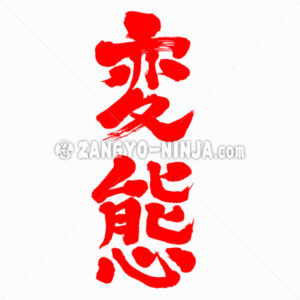
Description for Hentai A change in form, state, ecology, etc. In particular, when an insect or the like transitions from a larva to an adult, it changes its appearance and structure significantly. In plants, the roots, stems, leaves, etc., change from their original shape and take on a significantly different form. The leaves become … Read More

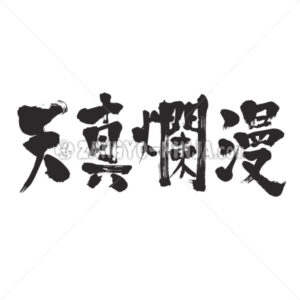
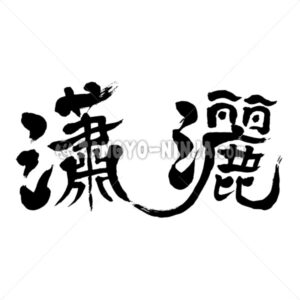
Explanation of simple and innocent An expression that means innocent and unpretentious. The innocent “天真” means the nature of nature. “爛漫” means shining. The origin of the word is said to be the expression originally used to describe a flower painting as a “no-frills fine work”. Basically, it is used as a compliment with … Read More
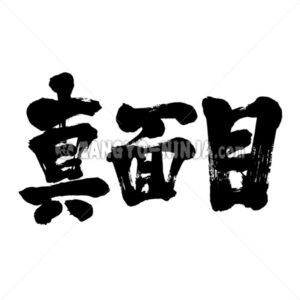
concerned with work or important matters rather than play or trivialities. Have a serious look. Be serious. It should be full of heart and no decoration. Japanese calls “Ma ji me”.
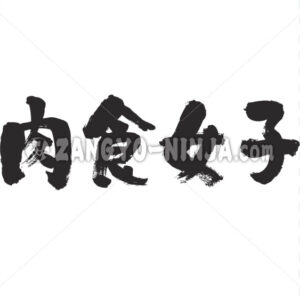
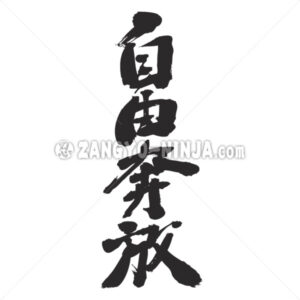
Il s'agit d'un néologisme désignant une femme active en amour. Son contraire est « fille herbivore ». L'expression a commencé à apparaître dans les médias vers 2008. Au Japon, on l'appelle « Niku shoku jo shi ».

Acting with your own mind, without being bound by social rules and conventions. Don’t follow the rule. Japan call “Ji yu hon po”. There are both positive and negative nuances. Positive: An attitude of acting on one’s own volition, unrestrained by anything. Negative: Acting selfishly without consideration for others. The first two letters are … Read More
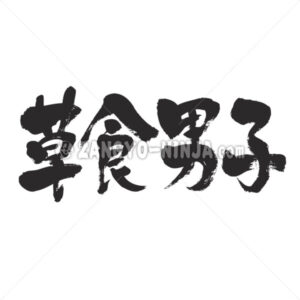
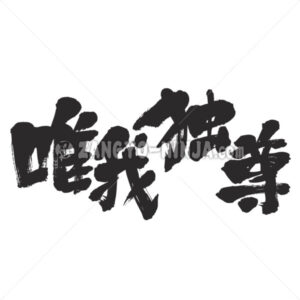
Les « garçons herbivores » sont des hommes au caractère doux et calme, à l'image des herbivores. Contrairement aux « garçons carnivores », ils ne manifestent aucune propension à entreprendre des relations amoureuses. L'expression « garçons carnivores » désigne quant à elle une personne très active en amour. Le terme japonais « So shoku Dan shi » est un néologisme récent.


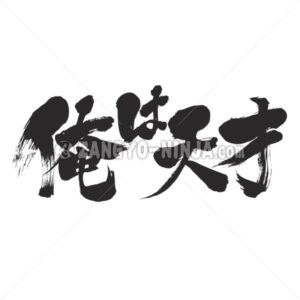
En japonais, on dit « Ore Wa Ten Sai » avec des kanji et des hiragana. C'est un mot masculin. La première lettre représente le masculin.

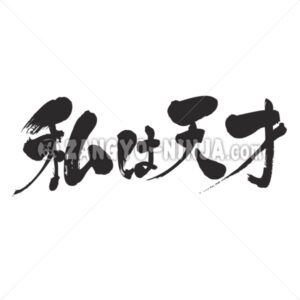
Description : Le pronom personnel de la première personne étant le kanji « 私 », cette notation peut être utilisée aussi bien par les hommes que par les femmes. En général, les femmes japonaises n'emploient pas fréquemment ce terme. Les hommes qui souhaitent se mettre en valeur l'utilisent parfois. Explication : Le terme japonais « Watashi Wa Ten Sai » (avec les kanjis et…) Lire la suite

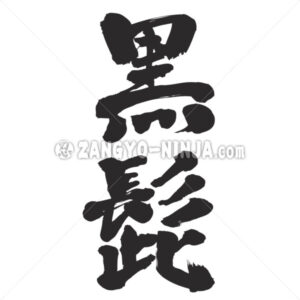
En japonais, Kuro-Hige signifie « homme à la barbe noire ». Il s'agissait d'un pirate anglais qui opérait dans les Caraïbes et au large des côtes atlantiques de l'Amérique du Nord.

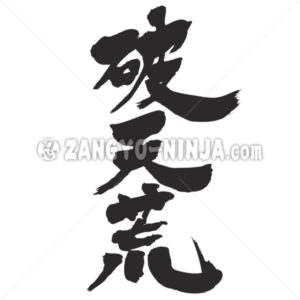
Doing things that no one has ever done. Breaking through unprecedented boundaries. Many Japanese people mistakenly think that they have a bold personality. In Japanese, It’s called “Ha Ten Ko”.
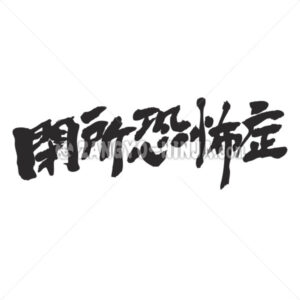
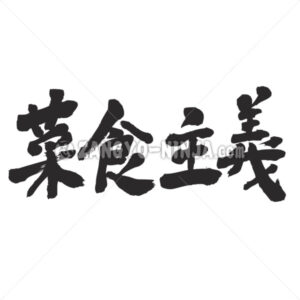
A kind of phobia. It is a symptom feels extreme fear of being in a confined narrow space or place. Japanese says “Hei Sho Kyou Fu Sho”.

a diet excluding all meat and fish. The principle that it is desirable to limit all human food to plant food. Derived from a religious or unique nutritional position. This principle is called a vegetarian. In Buddhism, meat eating is prohibited in principle, and some Christians, like the Seventh Worship Day, are vegetarian, but … Read More
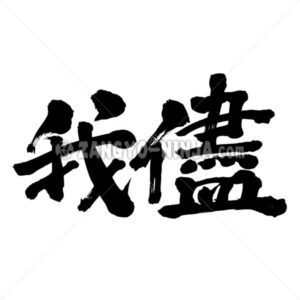
stinginess resulting from a concern for your own welfare and a disregard of others. Japanese says Waga-mama. This is difficult Kanji.

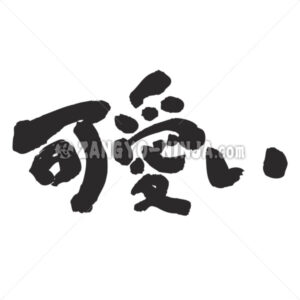
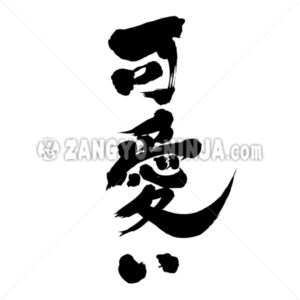
1. Aimable, surtout d'une manière enfantine ou naïve. 2. Agréable par sa délicatesse ou sa grâce. 3. Qui touche autant les émotions que le regard. Les Japonais disent « kawaii »
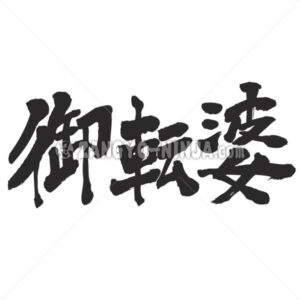
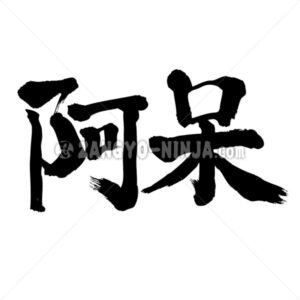
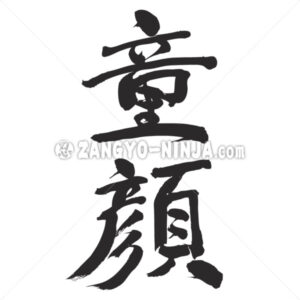
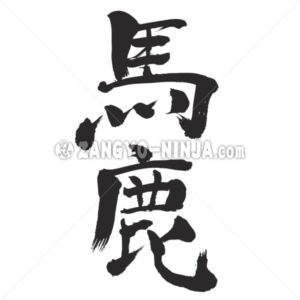
1. a person of subnormal intelligence. 2. a person who lacks good judgment. 3. the trait of acting stupidly or rashly. This is wrote by 馬(house) with 鹿(deer) in Japanese. Japanese says Ba-ka.
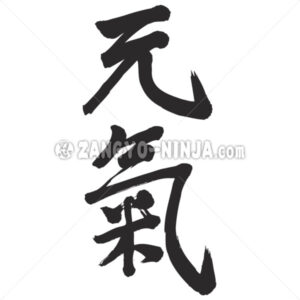
a contented state of being happy and healthy and prosperous. Japanese says Gen-ki. This 氣 is old character. It is the most appropriate character for this word.

Cela signifie agréable par délicatesse ou grâce. Et plaisant, plaisant ou agréable par nature ou par apparence. En japonais, on dit Ka-Wai-i.