
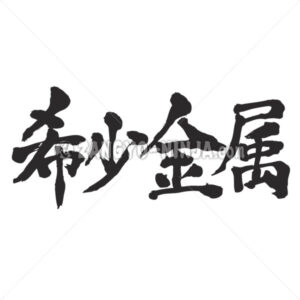
A generic term for metallic elements that are rarely found or very difficult to obtain. They are metals that have a small abundance on the earth or are difficult to extract as pure metals even though they are abundant. Japan call “ki sho kin zoku”.

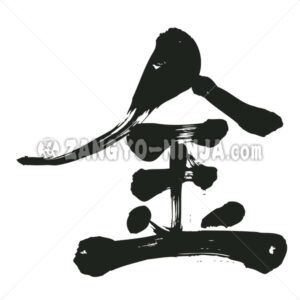
Description for Iron One of the iron group elements. The second most abundant element on Earth after aluminum. Pure iron is silvery-white with a lustrous sheen, highly ductile and malleable, and exhibits ferromagnetism. It rusts readily in air. Its excellent ductility and malleability, combined with carbon-containing steel forms, make it a widely used basic … Read More

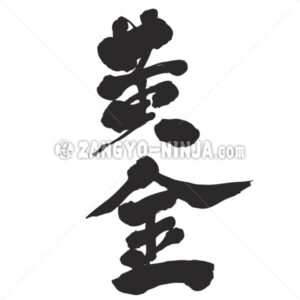
On dit que ce terme dérive d'un mot sanskrit signifiant « brillant ». 1. Argent. En particulier, les pièces d'or de grand format. 2. Quelque chose de valeur. En japonais, on dit « Oh gon » ou « Ko gane », et autrefois, on disait aussi « Kugane ». « Goldgolden » a également d'autres significations. Dans le monde adulte, c'est aussi un terme courant… Lire la suite

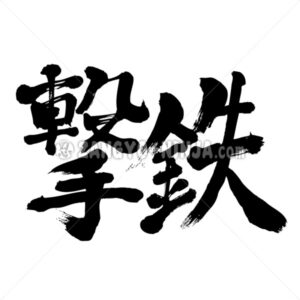
the part of a gunlock that strikes the percussion cap when the trigger is pulled. hammer, cock, striker. One of the rifle firing devices. The part that bangs the detonator to ignite the bullet propellant. Japanese says Geki-tetsu.

Explication de l'or : élément de numéro atomique 79. Groupe 11 du tableau périodique : éléments de transition. Masse atomique : 196,96655 (2). On connaît des isotopes stables de masse 197 (100 %) et des isotopes radioactifs allant de 169 à 205. L'or est le plus ancien métal utilisé par l'humanité, et des instruments en or ont été découverts dans des ruines égyptiennes… Lire la suite