

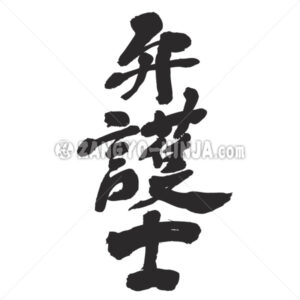
Description for lawyer A lawyer, along with a judge and a prosecutor, is one of the three legal professionals and a legal practitioner. And while judges and prosecutors are civil servants, lawyers are called legal profession. In other words, a lawyer is a person who is active in civil and criminal proceedings for the … Read More
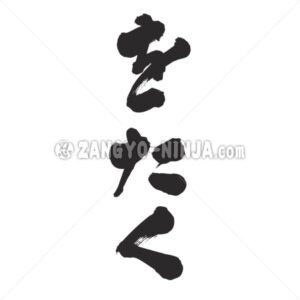
Ce terme désigne les personnes excessivement passionnées par leurs centres d'intérêt ou leurs passions. Il s'agit d'une personne qui s'enthousiasme pour une chose en particulier bien plus que la moyenne. En japonais, il s'écrit verticalement en hiragana. La notation courante utilise « お » comme première lettre, mais dans le jargon internet et chez les otaku… Lire la suite
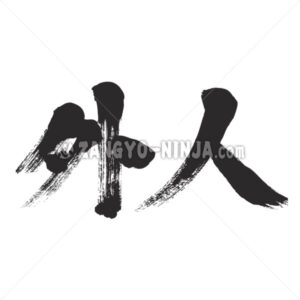
Those who do not have the nationality of the country in each country. In Japan, those who do not have Japanese nationality are foreigners, and there are foreign nationals and stateless persons. Japan call “Gai jin” as abbreviated “Gai koku jin”.
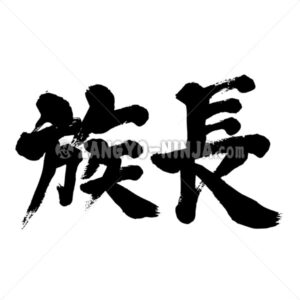
1. Le chef d'une race, d'une tribu ou d'un groupe ethnique. 2. Terme désignant le fondateur des Hébreux (anciens Israélites) dans l'Ancien Testament. En japonais, on dit « Zoku cho ».
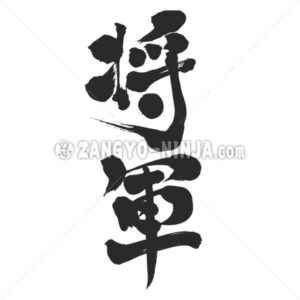
Ce sont des kanji écrits verticalement. Leur signification se divise généralement en deux catégories principales : 1. Une personne chargée de diriger ou de commander une armée. Il s'agit d'un des titres et fonctions officiels désignant le commandement d'une armée importante. Ce titre a longtemps été porté par les commandants militaires en Asie de l'Est. La suite
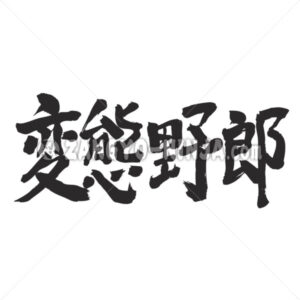
A man who likes insane things, makes insane wordings, and significantly disturbs coordination. Japan call “Hen tai ya ro”
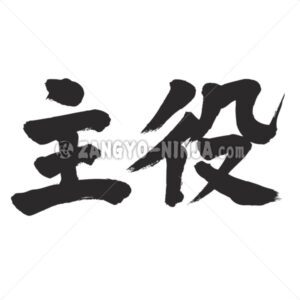
Le personnage principal d'une pièce de théâtre, d'un film, d'un roman ou d'un poème. Le personnage principal d'une œuvre de fiction. Un acteur qui interprète un rôle principal. En japonais, on dit « Shu yaku ».
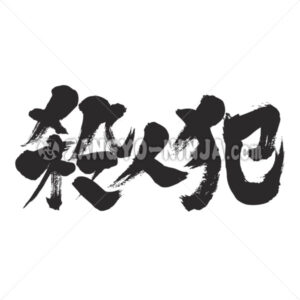
A person who has committed a murder crime. The murder crime is a crime established by killing people. Japanese says “Satsu jin Han”.
1. a nobleman (in various countries) having rank equal to a British earl. 2. a British peer ranking below a marquess and above a viscount. Japanese says haku-shaku.

An unskilled actor who overacts. A low-class actor. Japanese says Dai-kon-yaku-sha. “Daikon Yakusha” or “Heta-kuso” (you bad actor) at present these shout are rarely heard, however, until before the War, they had been often heard in theatres.
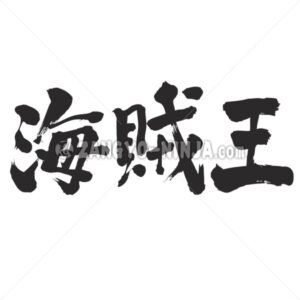
Top of someone who robs at sea or plunders the land from the sea without having a commission from any sovereign nation. Japanese says Kaizokuo.
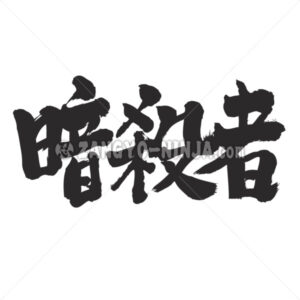
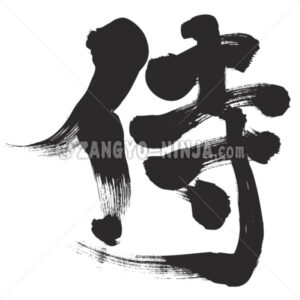
In feudal Japan, a soldier who served a daimyo and shogun. a Japanese warrior who was a member of the feudal military aristocracy.
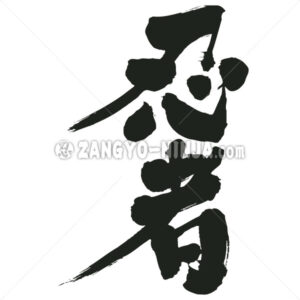
C'est un néologisme. Il désigne une personne qui aime manger de la viande, du bœuf, du porc et du poulet. Ou bien, en argot, il désigne une personne corpulente. En japonais, on dit « niku-o ».