

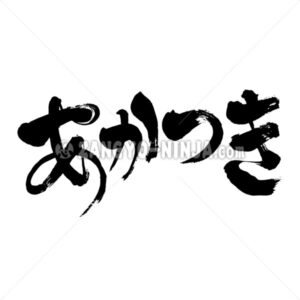

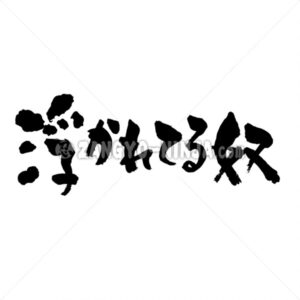
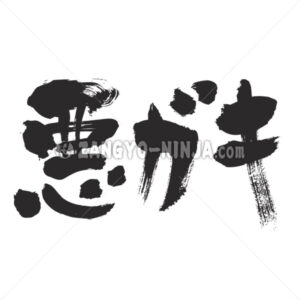
Being bullied or teased by half a joke. Unlike being bullied, treating the other person with love. Be careful, as it can be bullied if it goes too far. Japanese said “I ji ra re ta i”.
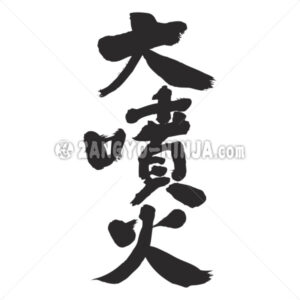
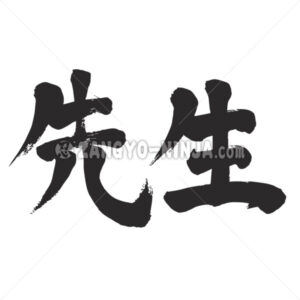
1. A person who teaches academics, techniques, and entertainment. Especially school teachers. Also, the person who is being taught. 2. A word that respects academic people such as Pastor, Master, Doctors, and Deputies, and people in leadership positions. 3. Calling others, including friendliness and teasing. 4. A person who was born before me. Japanese … Read More
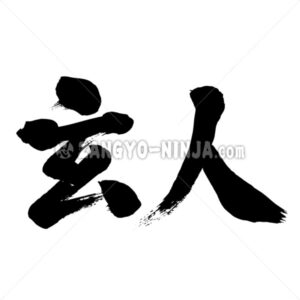
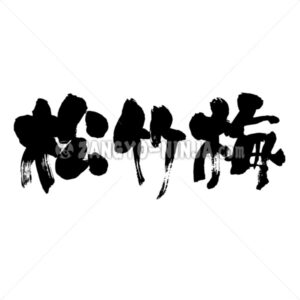
charms and is said to be auspicious along with the crane turtle. Since all three can withstand the cold, they are called Three Friends of Winter and are used for ceremonies as congratulations. A word used in place of each grade when goods and seats are divided into three grades. Pine, bamboo, and plum … Read More

One of the sports competitions. The ball is rolled toward 10 pins standing on the edge of a wooden floor called a lane, and the number of defeated pins competes for points. Origin and history Simple play like rolling stones seems to have been done for a very long time. In Roman times, bowling … Read More

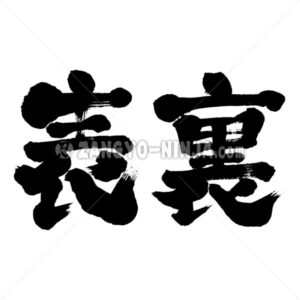
1. The front and back of an object. The outside and inside of the matter. Also, it must be in a front-to-back relationship. Positions and positions conflict with each other. 2. There is a difference between the outside and the inside. The difference between what you say and do in public and what you … Read More
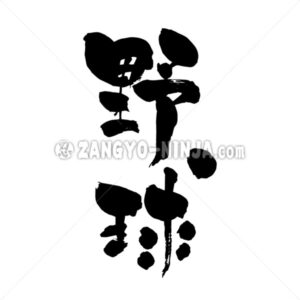

A sample of the bad side, a person or case that tells you that it shouldn’t happen when you look at it. People and cases that can be a source of reflection by seeing it. Japanese calls “Han Men Kyou Shi”.

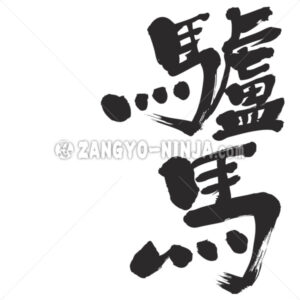
1.domestic beast of burden descended from the African wild ass. 2.the symbol of the Democratic Party. Japanese said “Ro-Ba”.
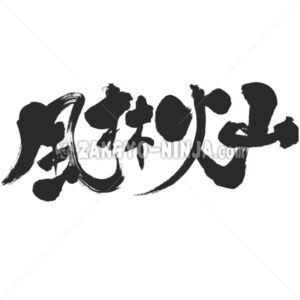

Le travestissement désigne généralement le fait pour un homme de porter des vêtements féminins (maquillage et coiffure compris). Dans ce contexte, il s'agit d'une personne qui excelle dans l'art de se travestir et qui s'y consacre pleinement. En japonais, on utilise le terme « joso-ma-ni-a ».
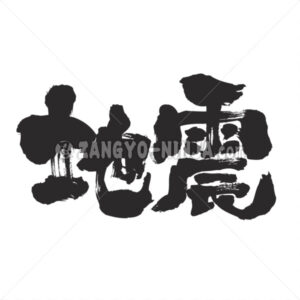

Nowadays, it is used in a negative way, saying, “A person who has a good point will immediately change his attitude and abandon his principles and ideas.” However, originally, it is a positive four-character idiom that “a good person immediately corrects his mistakes and quickly goes for the better.” Japanese calls Kun-shi-hyo-hen.

One of the Japanese first names. It’s not just about name of the manga’s character or anime. While it is not a name commonly given to modern Japanese people, it frequently appears in Japanese historical fiction such as period dramas, manga, and anime set in the past. For example, Sasuke a character for a … Read More
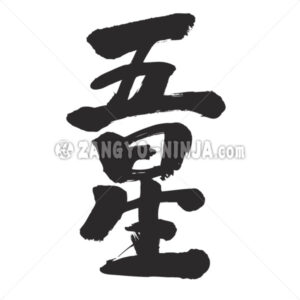
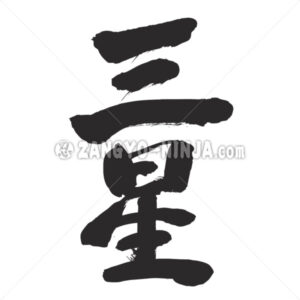
1. Three stars. Also, something like that. 2. In terms of grade and rating, evaluate on a three-point scale from one star to three stars. Or such a rating system. 3. The highest evaluation in the evaluation system that evaluates in 3 stages. Japanese calls Mitsu-boshi
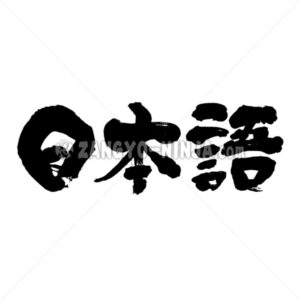
Description du japonais comme langue nationale : Langue parlée par 120 millions d'habitants de l'archipel japonais, elle est utilisée presque comme langue unique au Japon. Le vocabulaire japonais se divise en trois catégories : japonais, chinois et emprunts. La notation est très complexe et mêle parfois caractères chinois, hiragana, katakana, etc. La suite

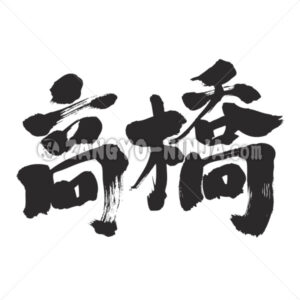
Bonjour Monsieur Takahashi. Voici l'explication de l'origine du nom de famille Takahashi, porté par vos ancêtres et amis. Ce nom dérive du toponyme « Takahashi », présent dans différentes régions du pays. « Takahashi » signifie « le bord d'une colline » ou « un pont élevé », et ce lieu a été nommé ainsi… Lire la suite
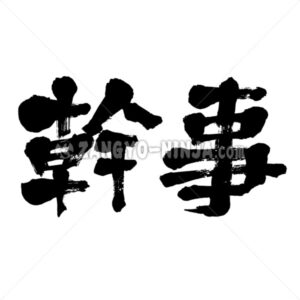
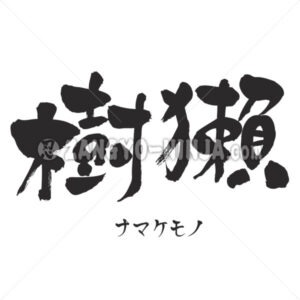
Description des paresseux (Mammalia Edentata) : Terme générique désignant les animaux appartenant à la famille des paresseux. Cette famille, les Bradypodidae, comprend 5 espèces réparties en 2 genres. Ces animaux vivent principalement dans les arbres des forêts denses d'Amérique du Sud et se nourrissent de feuilles et de fleurs. Leur corps mesure de 50 à 64 cm de long et ils n'ont pas de queue, ou celle-ci est très courte. … Lire la suite
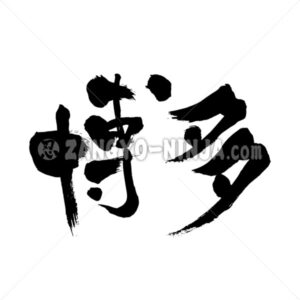
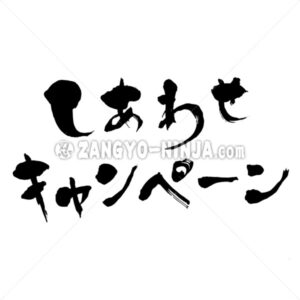
Shiawase est une traduction littérale et joyeuse de « campagne ». En japonais, cela se dit « shi a wa se kya n pe n ».

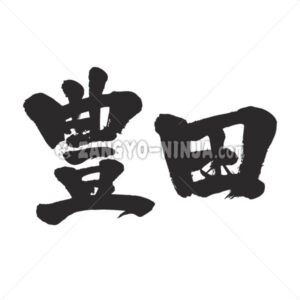
Bonjour Monsieur Toyoda (Toyota). Voici une explication de l'origine du nom de famille Toyoda (Toyota), porté par vos ancêtres et amis. Ce kanji possède généralement deux lectures différentes. Comme il est impossible de le déterminer à partir du kanji seul, il est nécessaire de se référer aux furigana ou au contexte de la conversation pour trouver la lecture correcte. … Lire la suite