[Kanji] extremely (very, much) Button
|
japanese said “Geki”. It is mean very or much include strength. [Kanji] extremely (very, much) Button


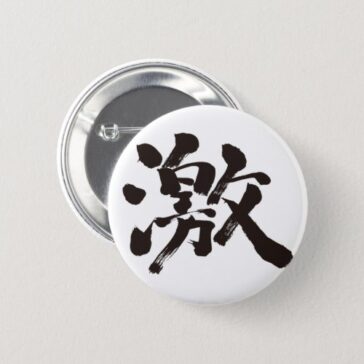
japanese said “Geki”. It is mean very or much include strength. [Kanji] extremely (very, much) Button

Il s'agit du célèbre blason de la famille Takeda Shingen. Shingen Takeda était un daimyo durant la période Sengoku. Le « Furinkazan », qui aurait figuré sur le sashimono (drapeau militaire), est également célèbre. Remarque : le hishimon (losange) serait une version stylisée du fruit du trapa japonica… Lire la suite
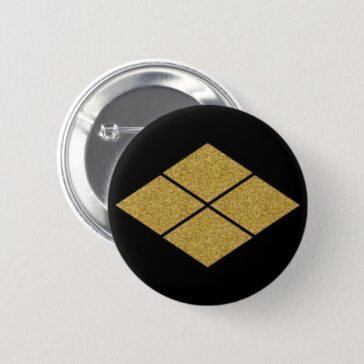
Il s'agit du célèbre blason de la famille Takeda Shingen. Shingen Takeda était un daimyo durant la période Sengoku. Le « Furinkazan », qui aurait figuré sur le sashimono (drapeau militaire), est également célèbre. Remarque : le hishimon (losange) serait une version stylisée du fruit du trapa japonica… Lire la suite
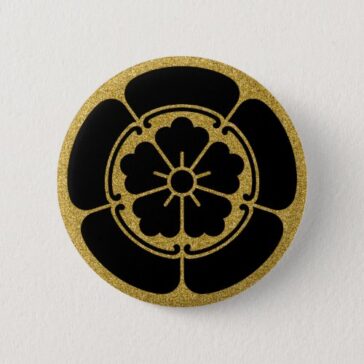
Voici le célèbre blason de la famille d'Oda Nobunaga. Un mokko à cinq branches est entouré d'une fleur de karahana, symbole de Kamon. Ce blason représente la nature, notamment des plantes, symbole de vieillesse pour une famille japonaise. Remarque : le mokko est dessiné comme un nid d'oiseau. Ce nid symbolise la prospérité des descendants et est considéré comme un blason de bon augure. … Lire la suite

Un blason familial représentant des plumes de faucon se chevauchant en diagonale, la partie gauche pointant vers le haut. Ces motifs s'inspirent des plumes de flèche. Vous pouvez le découvrir en cliquant sur le bouton ci-dessous. Le blason blanc est masqué. Cliquez sur le bouton « Modifier ce motif » pour afficher le blason blanc, masquer le blason noir et modifier… Lire la suite
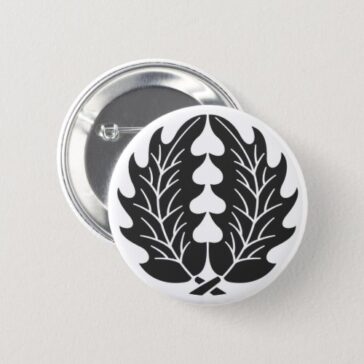
Two symmetrical holly leaves for Kamon. Nature plants symbol and graphics at old age for Japanese family. note. Holly leaves: It was used as an amulet in the Heian period because of its thorns on its leaves. There was a house that was used for the family crest in an attempt to make it … Read More
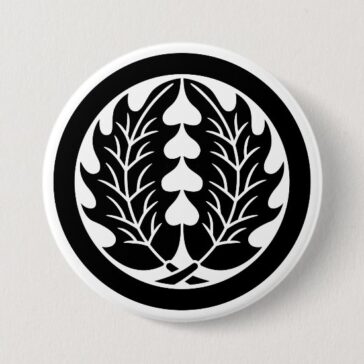
A family crest featuring two symmetrical holly leaves surrounded by a circle. Holly leaves are considered sacred trees that ward off demons, as seen in Setsubun rituals. They came to be used as family crests for their spiritual significance in ensuring household safety by repelling evil spirits and warding off misfortune. It can be … Read More
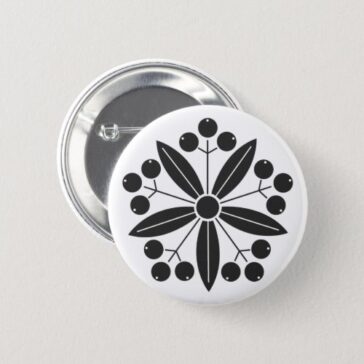
Le nandina, tel une roue pour Kamon. Symbole et représentation de la vieillesse dans la famille japonaise. Note : Nandina domestica : Considérée comme une plante de bon augure, elle est associée à l'expression « surmonter les difficultés ». Elle symbolise également la chance et les vertus apotropaïques, et était souvent utilisée lors des célébrations. [Blagues familiales] Nandina… Lire la suite
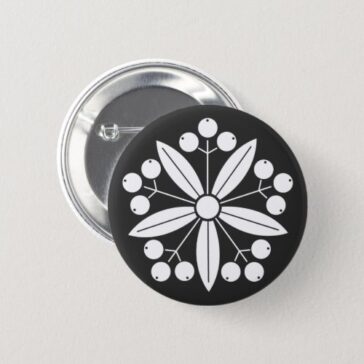
Nandina like a wheels for Kamon. Nature plants symbol and graphics at old age for Japanese family. note. Nandina domestica : It was treated as an auspicious plant, familiar with the word “rolling through difficulties”. It also has the meaning of “auspicious” and “apotropaic magic”, and was often used for celebrations. It’s negative positive … Read More
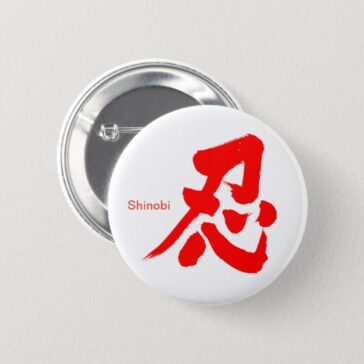
[Kanji] Shinobi Button, un espion professionnel (dans le Japon féodal) hautement entraîné à la furtivité et au secret.
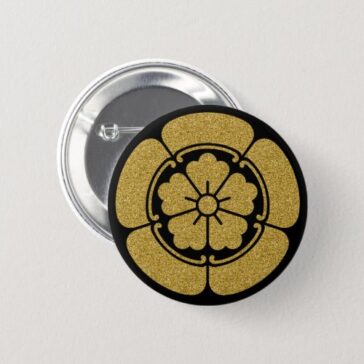
Voici le célèbre blason de la famille d'Oda Nobunaga. Un mokko à cinq branches est entouré d'une fleur de karahana, symbole de Kamon. Ce blason représente la nature, notamment des plantes, symbole de vieillesse pour une famille japonaise. Remarque : le mokko est dessiné comme un nid d'oiseau. Ce nid symbolise la prospérité des descendants et est considéré comme un blason de bon augure. … Lire la suite
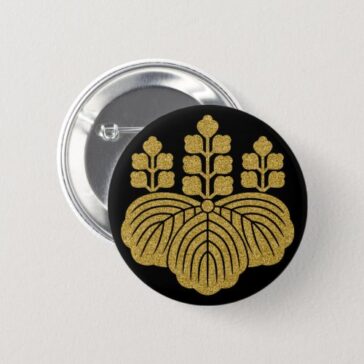
It is the family crest that you have the most chance to see in Japan. The paulownia flower crest was regarded as a sub-crest of the emperor’s family. In addition, this paulownia flower crest was sometimes given to a vassal who had a merit in the Emperor’s family. These are Takauji Ashikaga, Nobunaga Oda, … Read More
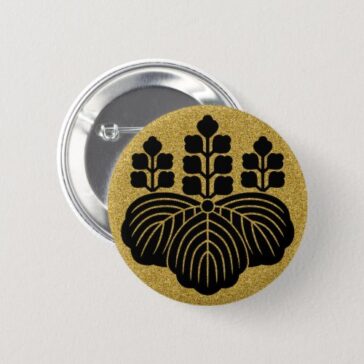
[Family Crests] Paulownia Flowers and leaf button It is the family crest that you have the most chance to see in Japan. The paulownia flower crest was regarded as a sub-crest of the emperor’s family. In addition, this paulownia flower crest was sometimes given to a vassal who had a merit in the Emperor’s … Read More
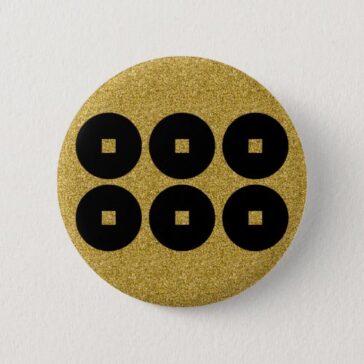
This is also a famous family crest. There are various theories, but at that time, it was said that the “Sanzu River” was flowing between the world and the world, and that the ferry to cross the river required “Rokumonsen (current monetary value of about 300 yen)”. I am. The family crest also shows … Read More
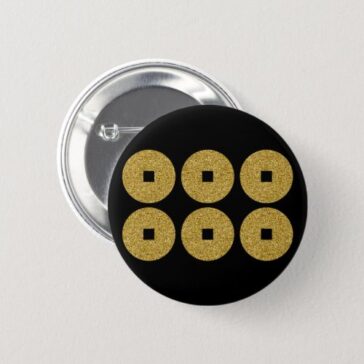
[Family Crests] Sanada’s 6 coins Pinback button This is also a famous family crest. There are various theories, but at that time, it was said that the “Sanzu River” was flowing between the world and the world, and that the ferry to cross the river required “Rokumonsen (current monetary value of about 300 yen)”. … Read More
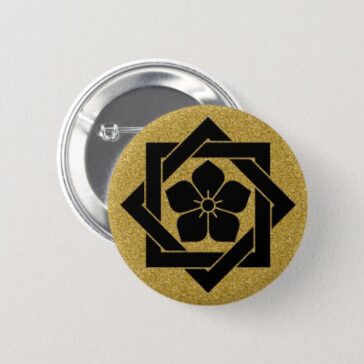
Cross lines inside Kikyo (ballon flower, bellflower) Kamon. It was used Ryoma Sakamoto who succeeded in the Taisei Hokan at the end of the Edo period. note. Kikyo (ballon flower, bellflower) is Seven herbs of autumn. In the olden days, one flower of bellflower was dedicated to the gods and Buddhas to forge the … Read More
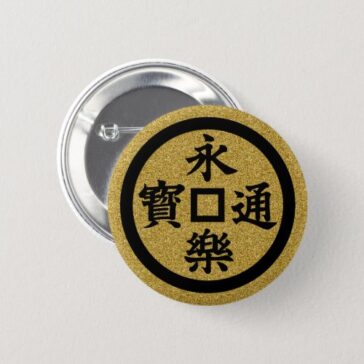
Nobunaga Oda used the Eiraku coin (Eiraku Tsuho) design that was in circulation as a family crest as a symbol of economic power. He used it as a flag. [Family Crests] Eiraku coin button
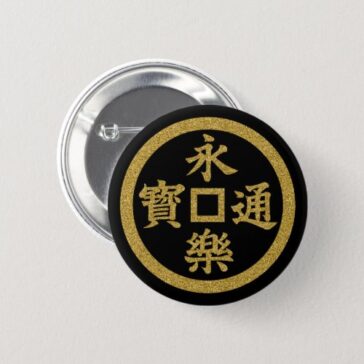
[Family Crests] Eiraku coin Round Button Nobunaga Oda used the Eiraku coin (Eiraku Tsuho) design that was in circulation as a family crest as a symbol of economic power. He used it as a flag.
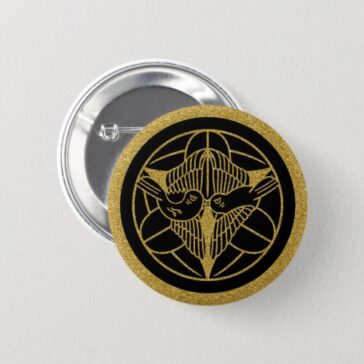
It is a family crest that the Uesugi family gave to the Date family as a “proof of marriage”. The combination with bamboo leaves is popular. note. The sparrow has long been a familiar bird to the Japanese. In Shikoku and Wakayama prefectures, sparrows are also called “itakura” and mean small birds (kura) that … Read More
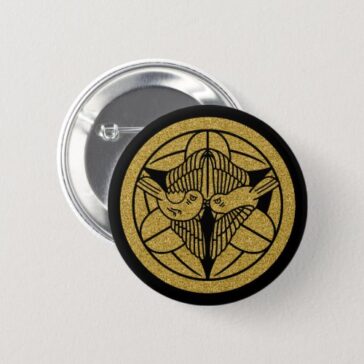
[Family Crests] Sparrows and bamboo leaves Round Button It is a family crest that the Uesugi family gave to the Date family as a “proof of marriage”. The combination with bamboo leaves is popular. note. The sparrow has long been a familiar bird to the Japanese. In Shikoku and Wakayama prefectures, sparrows are also … Read More
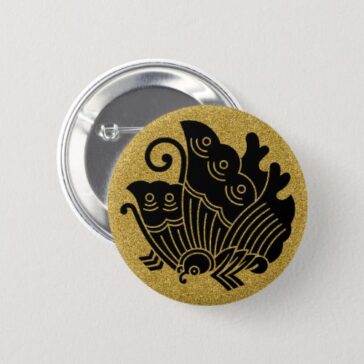
It is a crest used by “Taira no Kiyomori”, the lord of the Heike clan. Nobunaga Oda began to use the “swallowtail butterfly crest” in honor of Taira’s descendants from a certain time in order to replace Seiwa Genji’s Muromachi Shogunate. note. Butterflies are creatures that grow while transforming from larvae to pupae to … Read More
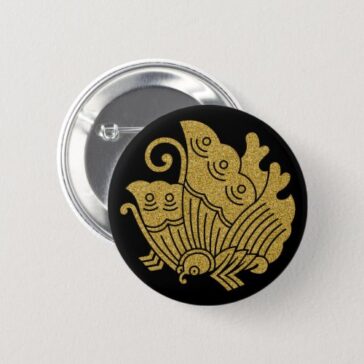
[Family Crests] Swallowtail butterfly Round Button It is a crest used by “Taira no Kiyomori”, the lord of the Heike clan. Nobunaga Oda began to use the “swallowtail butterfly crest” in honor of Taira’s descendants from a certain time in order to replace Seiwa Genji’s Muromachi Shogunate. note. Butterflies are creatures that grow while … Read More
One character of nothing is drawn. Nothing means “innocence”, which is a psychological state freed from all anxieties based on the idea of Zen Buddhism. However, no evidence of Oda Nobunaga’s use of this family crest has ever been confirmed, and it is only described in the “Kansei Choshu Shokafu”. [Family Crests] Nothing in … Read More
[Family Crests] Nothing in Kanji letter Button One character of nothing is drawn. Nothing means “innocence”, which is a psychological state freed from all anxieties based on the idea of Zen Buddhism. However, no evidence of Oda Nobunaga’s use of this family crest has ever been confirmed, and it is only described in the … Read More
The family crest used by Toyotomi Hideyoshi when he was inaugurated as Taiko. It is said that he created it himself. Hideyoshi Toyotomi, who gave many paulownia crests to the military commanders who became subordinates in the process of controlling various parts of the country, began to use the taiko paulownia crests, which was … Read More
[Family Crests] Ryoma Sakamoto’s bellflower round Button Cross lines inside Kikyo (ballon flower, bellflower) Kamon. It was used Ryoma Sakamoto who succeeded in the Taisei Hokan at the end of the Edo period. note. Kikyo (ballon flower, bellflower) is Seven herbs of autumn. In the olden days, one flower of bellflower was dedicated to … Read More
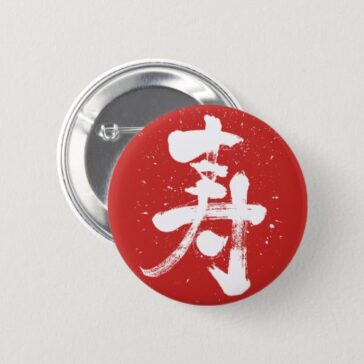
congratulations button representing longevity Kanji
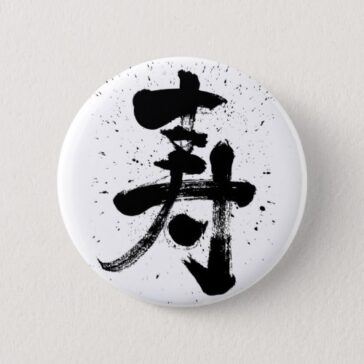
representing longevity Kanji. Japan calls Kotobuki or Ju. congratulations button
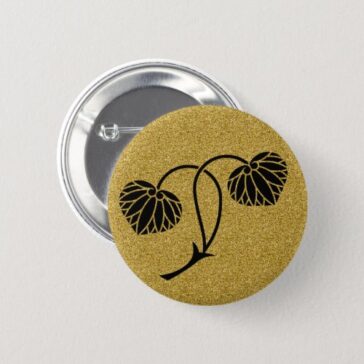
The crest of Kamigamo Shrine in Kyoto. The 3 Hollyhock(Aoi) crest used by Ieyasu Tokugawa is said to be derived from it. note: Hollyhock(Aoi) is a perennial plant that grows naturally in forests all over the country and is a common plant. It is said that the development of the house was likened to … Read More
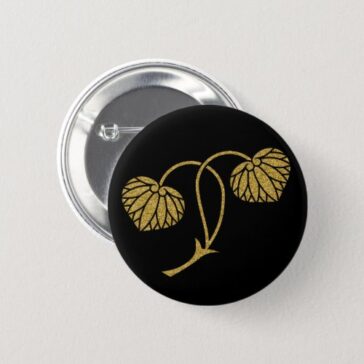
[Family Crests] 2 hollyhock leaves Round Button The crest of Kamigamo Shrine in Kyoto. The 3 Hollyhock(Aoi) crest used by Ieyasu Tokugawa is said to be derived from it. note: Hollyhock(Aoi) is a perennial plant that grows naturally in forests all over the country and is a common plant. It is said that the … Read More