
[Hiragana + Kanji] taste of home cooking Pinback Button
|

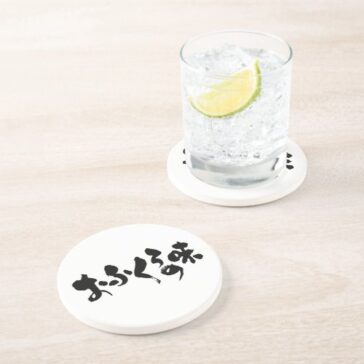
[Kana + Kanji] taste of home cooking Pinback Button mom's home cooking. taste of mom's cooking. food like mom used to make. Japanese says o-fu-ku-ro-no-aji.
[Kanji] Treasures Pinback Button
|

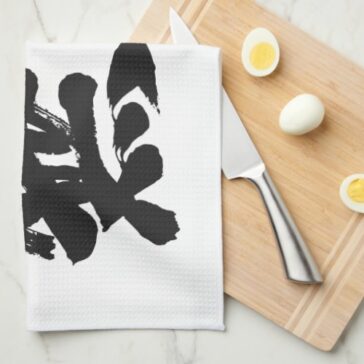
One of the few in the world, especially valuable. property. Especially important things that cannot be replaced with other things. Also, an irreplaceable person. Japanese says “Takara”. It’s old and difficult letter in Chinese. [Kanji] Treasures Pinback Button

[Kanji] vanity Kitchen Towel
|

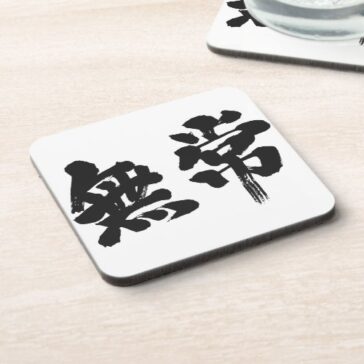
[Kanji] vanity Kitchen Towel the property of not existing for indefinitely long durations Japanese says Mu-Jou.

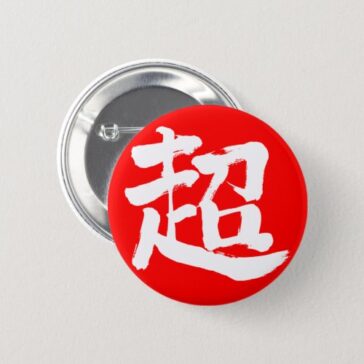
[Kanji] extreme Button
|

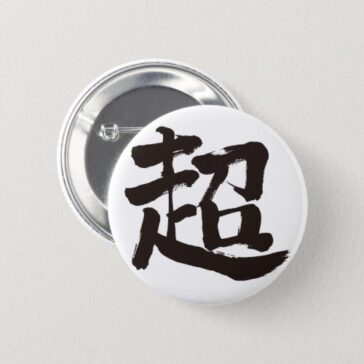
[Kanji] extreme Pinback Button It is preceded by a noun to indicate that it is more than that and that it deviates further. Japanese says “Cyo”.

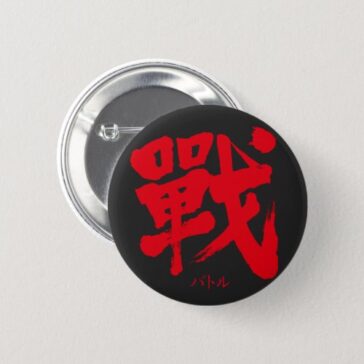
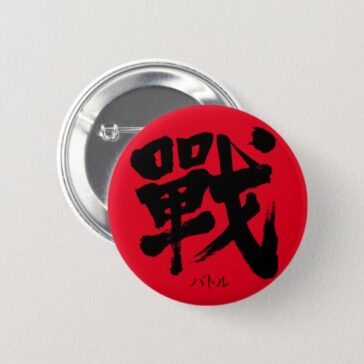
[Kanji] Battle as classic letter Button
|

It is a Kanji that old Japanese were using. With transliteration in Katakana that you can custom letter. Japanese says Ikusa. It’s same means “戦”. Fight the enemy with a weapon. Compete for victory or defeat. Fight for speech. Competition. Game. [Kanji] Battle as classic letter Button

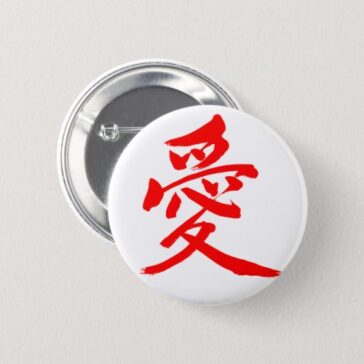
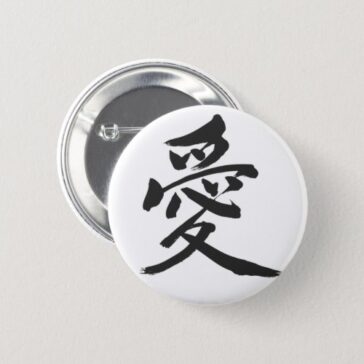
[Kanji] Bouton à épingle d'amour
|

[Kanji] Bouton « Amour » en japonais : « Ai ». Amour en kanji japonais.

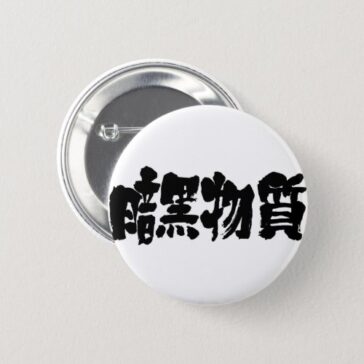
[Kanji] Bouton de rétrofixation matière noire
|

[Kanji] dark matter Pinback Button a hypothetical form of matter that is believed to make up 90 percent of the universe. Japanese calls An-Koku-Bu-Sshitsu.

[Blagues familiales] Pins à trois niveaux alignés à gauche avec bouton circulaire
|

Ce blason familial (Kamon) représente trois rangées de branches de pin disposées verticalement dans un cercle, la rangée centrale étant décalée vers la gauche. Symbole et représentation de la nature et de la vieillesse dans une famille japonaise. À noter : le pin est depuis l’Antiquité un arbre sacré, et son nom est à l’origine du mot « adoration »… Lire la suite

[Kanji] Eritrea Button
|

[Kanji] Eritrea Button an African country to the north of Ethiopia on the Red Sea. state of eritrea.

[Blagues familiales] Pins à trois niveaux alignés à gauche Bouton
|

Ce blason familial (Kamon) représente trois rangées de branches de pin disposées verticalement, la rangée centrale étant décalée vers la gauche. Plantes. Note : Le pin est considéré comme un arbre sacré depuis l'Antiquité, et son nom est à l'origine des mots « culte » et « fête », signifiant l'attente des dieux. Il est considéré… Lire la suite

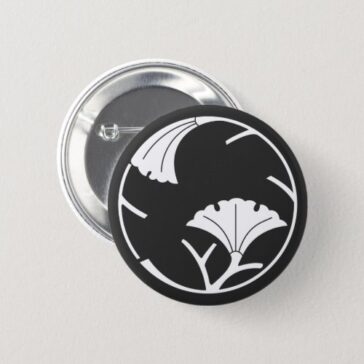
[Blagues familiales] Ginkgo et branches disposés en cercle. Bouton rond
|

[Blagues familiales] Ginkgo et branches disposés en cercle. Bouton rond. Ginkgo et branches disposés en cercle. Kamon. Symboles et illustrations de plantes traditionnelles pour les familles japonaises âgées.

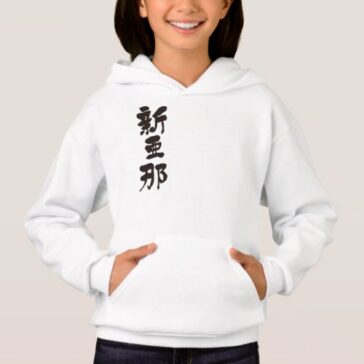
[Kanji] Alana Hoodie
|

[Kanji] Alana Hoodie translated name into kanji for Alana. Your (her/his) name became a Japanese Kanji. This used as a phonetic symbol rather than for its meaning.

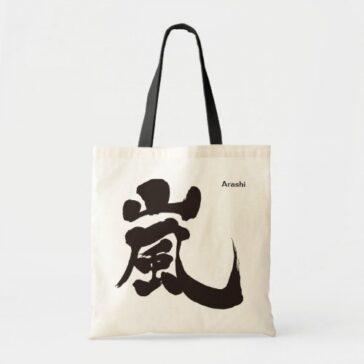
[Kanji] Arashi Sac fourre-tout
|

[Kanji] Arashi Tote Bags It is one of the natural phenomena and weather. Refers to a storm accompanied by heavy rain. Japanese says “Arashi”.

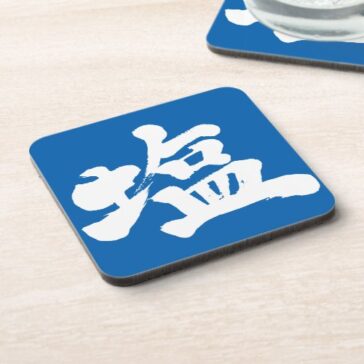
[Kanji] salt Coaster
|

[Kanji] salt Coaster white crystalline form of especially sodium chloride used to season and preserve food. In Japan, sending salt means “dare to help an enemy in a difficult situation” and “seek long-term profits and reasons rather than immediate gains and losses.” Japanese says shio.

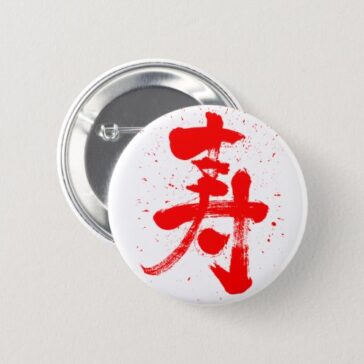
[Kanji] Félicitations Button
|

Le bouton de félicitations représente le kanji de longévité. Au Japon, on l'appelle Kotobuki ou Ju.

[Kanji] vanity Beverage Coaster
|

[Kanji] vanity Beverage Coaster the property of not existing for indefinitely long durations. Japanese says Mu-Jou.

[Kanji] extreme Pin-back Button
|

[Kanji] extreme Pinback Button Japanese says “Cho”. It is preceded by a noun to indicate that it is more than that and that it deviates further.

[Hiragana + Kanji] le goût de la cuisine maison Dessous de verre en grès
|

[Hiragana + Kanji] Goût de la cuisine maison. Sous-verre en grès. La cuisine de maman. Le goût de la cuisine de maman. Des plats comme ceux que maman préparait. En japonais, ça se dit o-fu-ku-ro-no-aji.
[Kanji] Love red letter Adult Apron
|

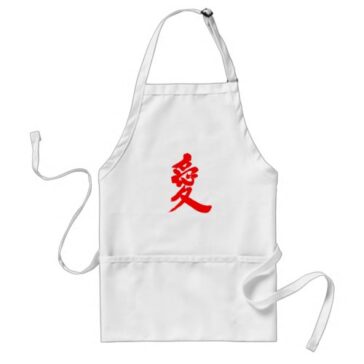
[Kanji] Love Adult Apron Japanese says “Ai”.

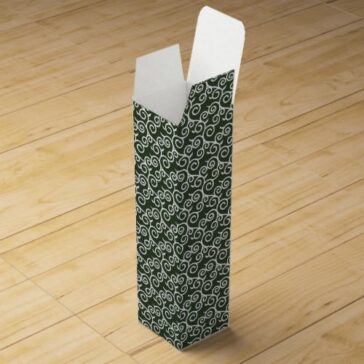
coffret à vin de style japonais traditionnel à motif arabesque blanc
|

Boîte à vin japonaise traditionnelle à motif arabesque blanc, ornée de volutes de feuillage (Karakusa). Ce motif est composé de lignes blanches. Vous pouvez choisir une couleur de fond personnalisée. À vous de jouer !

[Blagues familiales] Un ginkgo et ses branches étaient disposés en cercle. Bouton à épingle
|

Le ginkgo et ses branches sont disposés en cercle, formant un kamon. Symbole et représentation de la nature, ce ginkgo représente la vieillesse dans la famille japonaise. Il s'agit d'une inversion du négatif et du positif. [Blason familial] Ginkgo et ses branches disposés en cercle. Bouton Pinback

[Kanji] dark matter Large Tote Bag
|

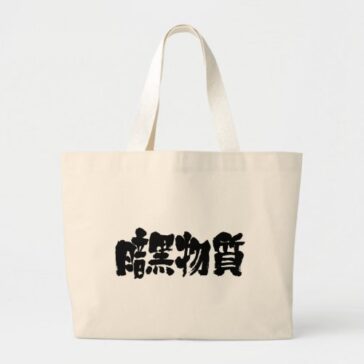
[Kanji] dark matter Large Tote Bag a hypothetical form of matter that is believed to make up 90 percent of the universe. Japanese calls An-Koku-Bu-Sshitsu.

[Kanji] Battle as classic letter Pinback Button
|

[Kanji] Battle as classic letter Pinback Button It is a Kanji that old Japanese were using. With transliteration in Katakana that you can custom letter. Japanese says Ikusa. It’s same means “戦”. Fight the enemy with a weapon. Compete for victory or defeat. Fight for speech. Competition. Game.

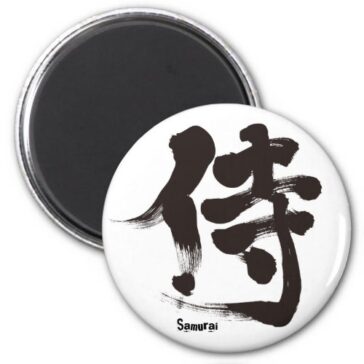
[Kanji] Samurai Magnet
|

[Kanji] Samurai Magnet It is the name of a government official in Japan from ancient times to the Middle Ages, or another name for a samurai that evolved from it. It’s black letter Kanji.

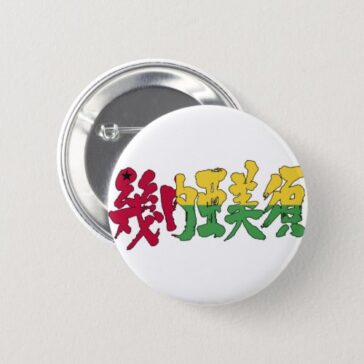
[Kanji] Guinea-Bissau Pinback Button
|

[Kanji] Guinea-Bissau Pinback Button a republic on the northwestern coast of Africa. republic of guinea-bissau.

[Kanji] Boutons d'amour
|

[Kanji] Bouton d'amour : « Ai » en japonais. Amour écrit à la main en kanji japonais.

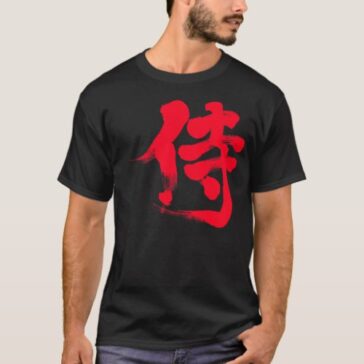
T-shirts de samouraï [Kanji]
|

Un guerrier japonais. Il n'y a plus de samouraïs au Japon aujourd'hui. Mais les Japonais ont un esprit chevaleresque semblable à celui des samouraïs. [Kanji] T-shirts Samouraï

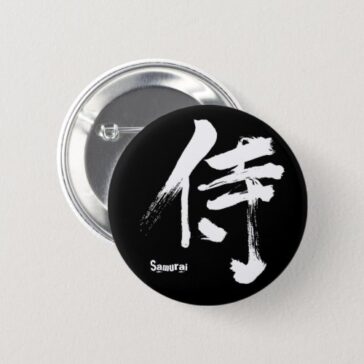
(Kanji) Bouton épingle samouraï
|

un guerrier des serviteurs militaires des daimyos de la période Edo. [Kanji] Bouton Samouraï

[Kanji] Bonjour Sandra ! T-shirt
|

name translated into kanji for Sandra. Your (her/his) name became a Japanese Kanji. This used as a phonetic symbol rather than for its meaning. [Kanji] Hello Sandra! T-Shirt

T-shirt Hasebe [Kanji]
|

[Kanji] T-shirt Hasebe. Hasebe est le 666e nom de famille japonais environ. Un célèbre joueur de football japonais.

1 16 17 18 19 20 21 22 110