[Kanji] Honda T-Shirt
|
[Kanji] Honda T-Shirt 1. A Japanese famous soccer player. 2. A Japanese car manufactuing company.


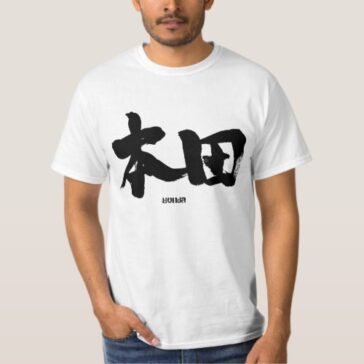
[Kanji] Honda T-Shirt 1. A Japanese famous soccer player. 2. A Japanese car manufactuing company.
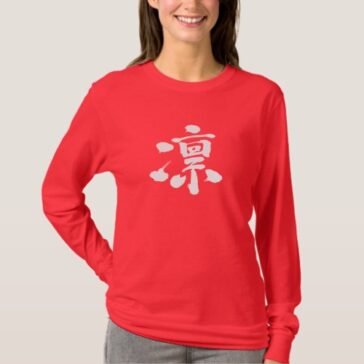
[Kanji] Hello! Rin T-Shirt translated name into kanji for Rin. Your (her/his) name became a Japanese Kanji. This used as a phonetic symbol rather than for its meaning.
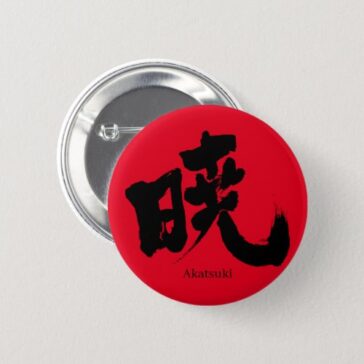
[Kanji] Akatsuki (black text) Button morning twilight.
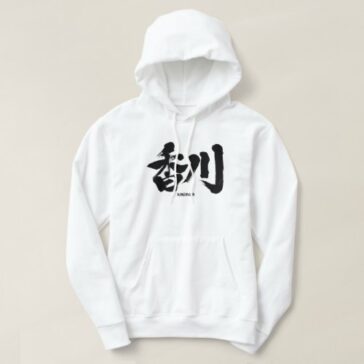
1. A Japanese famous soccer player. 2. A name of a Japan prefecture. [Kanji] Kagawa T-Shirts
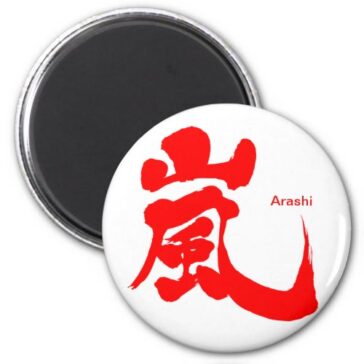
[Kanji] Arashi (red letters) Magnet The wind and rain are very strong. In meteorology, it means an independent disturbance that appears in a weather map, and its size does not matter, and it includes everything from thunderstorms to low pressure systems.
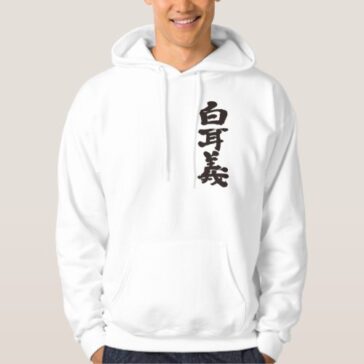
[Kanji] Belgium Hoodie A constitutional monarch facing the North Sea in the northeastern part of France. Brussels, the capital. It is a formal Japanese Kanji published in the dictionary.
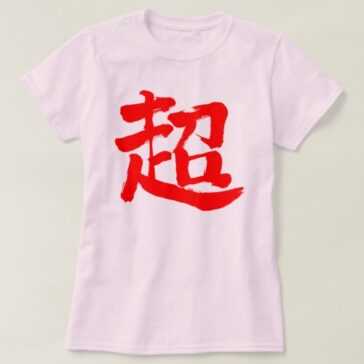
[Kanji] extreme T-Shirt It is preceded by a noun to indicate that it is more than that and that it deviates further.
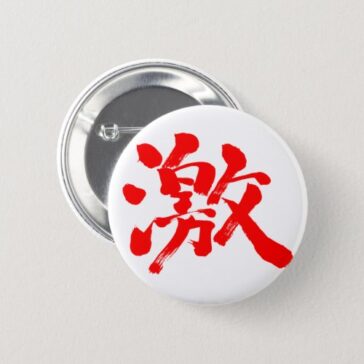
[Kanji] extremely (very, much) red letter Pinback Button Japanese says “Geki”. It is mean very or much include strength.
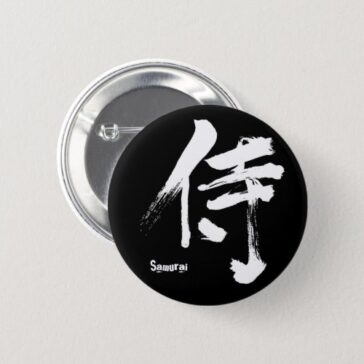
[Kanji] Samurai 2 Inch Pin-back Round Button Samurai in Kanji
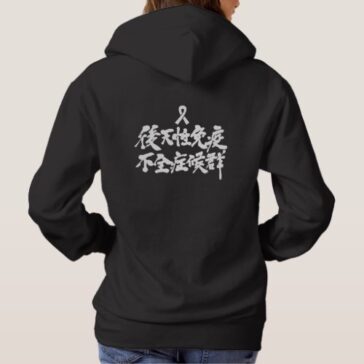
Acquired Immunodeficiency Syndrome. A condition caused by HIV infection that causes opportunistic infections and malignancy due to severe systemic immunodeficiency if not properly treated. In recent years, the development of therapeutic agents has progressed dramatically, and it has become possible to lead a normal life without losing immunity if receiving medical treatment at an … Read More
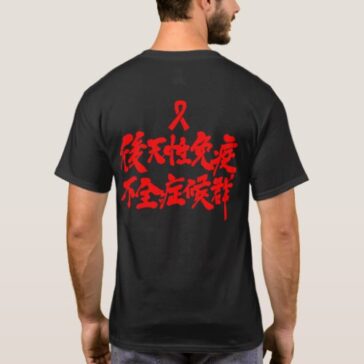
[Kanji] HIV T-Shirt Acquired Immunodeficiency Syndrome. A condition caused by HIV infection that causes opportunistic infections and malignancy due to severe systemic immunodeficiency if not properly treated. In recent years, the development of therapeutic agents has progressed dramatically, and it has become possible to lead a normal life without losing immunity if receiving medical … Read More
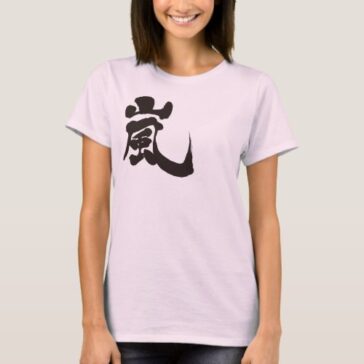
Une tempête, une bourrasque. En japonais, on dit « Arashi ». [Kanji] T-shirts Arashi
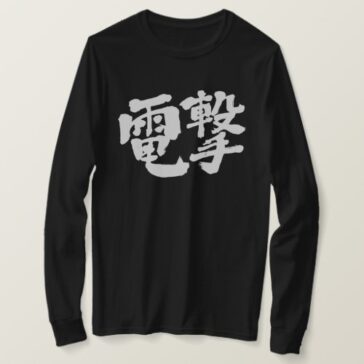
The impact you feel when you receive a strong electric current from your body. Attack quickly, like a lightning. To give an impact without front movement like lightning. Japanese says “Den Geki”. [Kanji] electric shock and lightning attack long sleeves T-Shirt
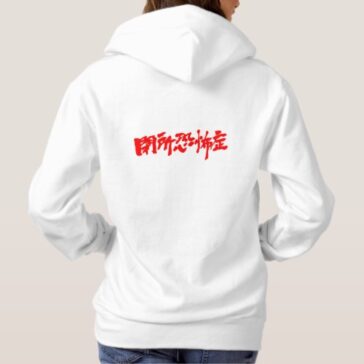
Design Front claustrophobia in Katakana. Design Back [Kanji] claustrophobia Hoodie It is a mental illness that makes you feel afraid of being in an enclosed space such as an elevator or a bus. Symptoms vary, such as dizziness, nausea, and numbness in the limbs, but extreme fear can cause panic, and when the symptoms … Read More
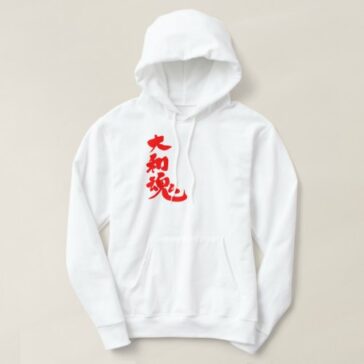
[Kanji] Yamato damashii Hoodie. Cela fait référence à la sagesse, au savoir et à la discrétion des Japonais. Connaissances pratiques et aptitudes à l'apprentissage et à la pratique.
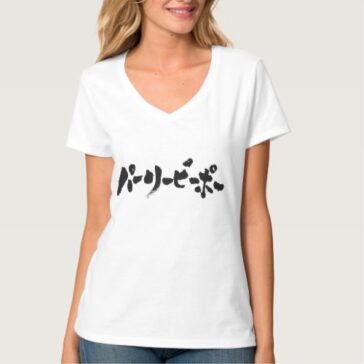
It is a coined word. It is a people who like a party so much. [Kana] Party people T-Shirt
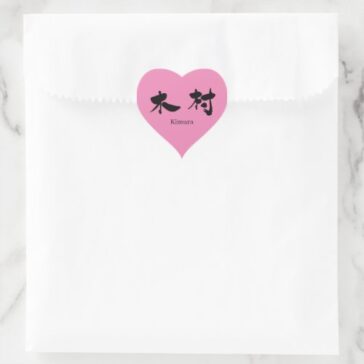
[Kanji] Autocollant Cœur Kimura. L'étymologie est que le village se distingue par « arbre ». C'est un nom de famille populaire au Japon.
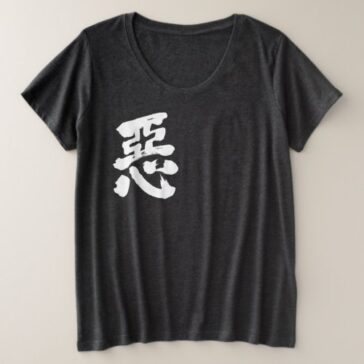
[Kanji] Bad, Wickedness T-Shirt In a general sense, it is the opposite or lack of good. It can be a very broad concept, but in everyday use it often expresses deep wickedness in a narrower range. Japanese says Aku, Waru. Also it’s old style Kanji.
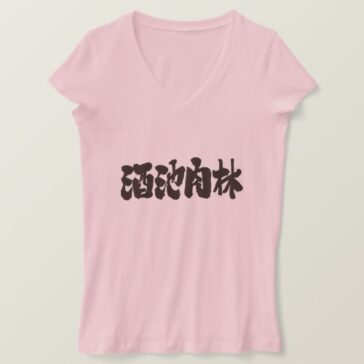
It means abundant sake like the water of a pond and meat hung like a forest lined with trees. A parable of a gorgeous play or banquet full of treats such as sake and meat. Known as the tyrant of the Shang dynasty in China, Chuo loves sake and indulges in indulgence. He made … Read More
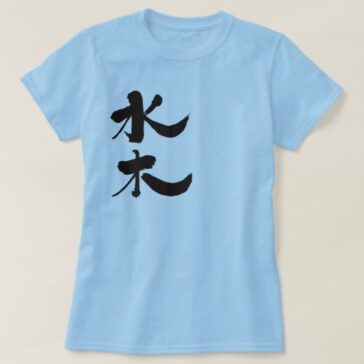
it’s popular first name in Japan. [Kanji] Mizuki T-Shirts
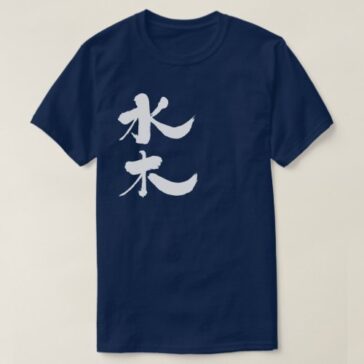
[Kanji] Mizuki T-Shirt it’s popular first name in Japan.
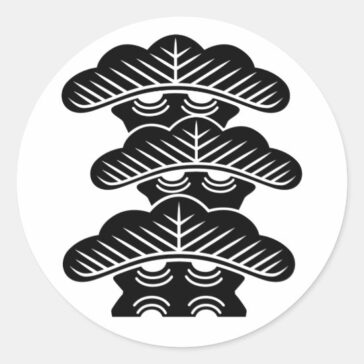
Autocollant représentant trois rangées de pins alignées à droite. Ce blason familial représente trois rangées de branches de pin, la rangée centrale étant décalée vers la droite. Remarque : Le blason familial du pin utilise le pin, dont le feuillage persistant symbolise la longévité et est considéré comme un arbre de bon augure. Il peut être trouvé… Lire la suite
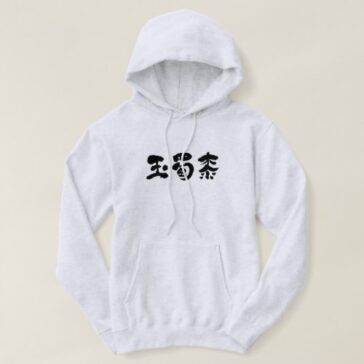
Native to Central and South America, corn is one of the world’s three largest grains, along with rice and wheat. In Japan, it is used exclusively as a vegetable, but in South America it is an important grain that is a staple food. The main ingredient is starch, which contains a good balance of … Read More
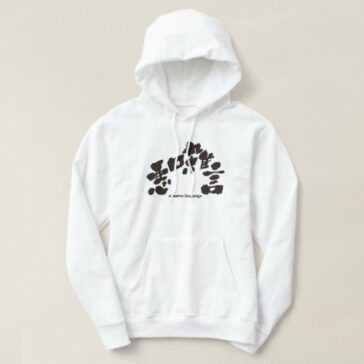
To say bad things in various ways. Also, that word. Swearing badly. Japanese says “A-Kko-Zo-Gon”. [Kanji] Abusive language Hoodie
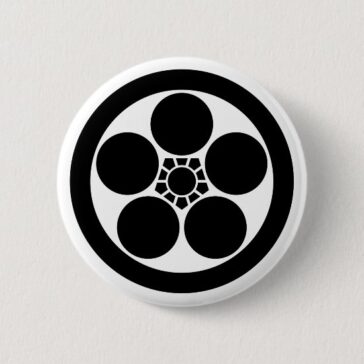
This design features a pattern of circles arranged in five directions, interpreted as plum blossom petals, known as “Umebachi.” The family crest features a standard-thickness line surrounding this “Umebachi” motif. It can be found by clicking the button below. The white family crest is hidden. Click the “Edit this design” button to display the … Read More

Flax-leaf dashed line pattern traditional japanese leggings Flax-leaf pattern, flax ornament, Asa-no-ha pattern. This is white line pattern. A design with hemp leaves. A traditional Japanese pattern, also known as hemp pattern. The basic shape is a regular hexagon and a geometric shape, and there are various types such as resembling the shape of … Read More
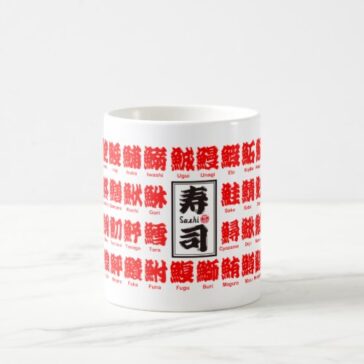
[Kanji] many kind of fishes for Sushi Coffee Mug In addition to nigiri sushi, which is made by placing ingredients on top of vinegared rice, there are various types such as Chirashizushi, pressed Sushi, and Maki sushi. Aji(Horse Aji(Horse mackerel)), Asari, Ayu(sweetfish), Awabi, Bora(striped mullet), Buri(amberfish), Chozame, Dojou,Ebi(Shrimp), Fugu(Globefish), Funa, Hamachi, Hamo, Higai, Hirame(Flat … Read More
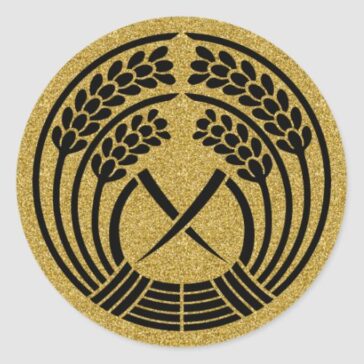
Épi de riz enlacé pour Kamon. Symbole et représentation graphique de la nature et des plantes lors de la vieillesse dans une famille japonaise. Remarque : Le riz étant la plante la plus familière aux Japonais, il était utilisé comme motif décoratif, notamment pour les blasons. Lors des offrandes au dieu, le riz est emballé en bottes, c'est pourquoi les blasons sont souvent… Lire la suite
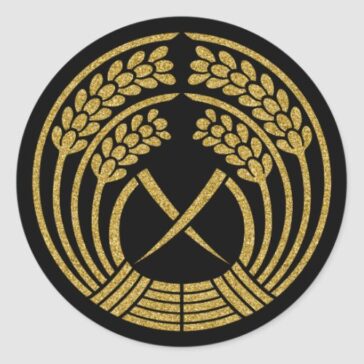
Épi de riz enlacé pour Kamon. Symbole et représentation de la nature et des plantes lors de la vieillesse dans la famille japonaise. Inversion négative-positive. Remarque : Le riz étant la plante la plus familière aux Japonais, il était utilisé comme motif décoratif, notamment pour les blasons. Lors des offrandes au dieu, le riz est emballé en bottes… Lire la suite
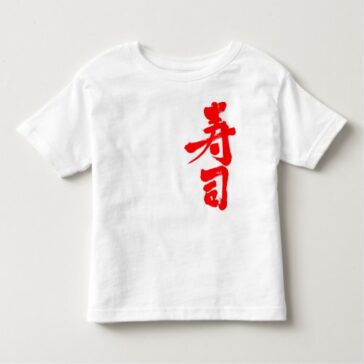
Sushi is raw fish ON vinegared rice. We love it from EDO period. [Kanji] Sushi Toddler T-shirt