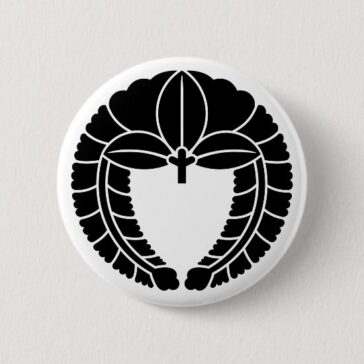

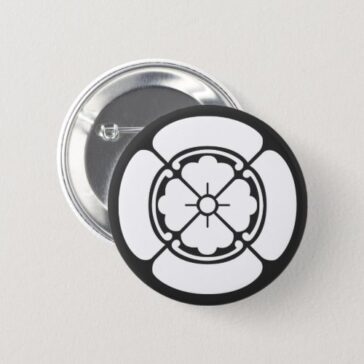
[Blagues familiales] Mokko à quatre côtés à l'intérieur d'une fleur Karahana Bouton rond
|

Le Mokko à quatre faces à l'intérieur d'une fleur de Karahana représente Kamon. Ce symbole végétal représente la vieillesse dans la famille japonaise. Il s'agit d'une inversion négative-positive. [Blason familial] Bouton rond Mokko à quatre faces à l'intérieur d'une fleur de Karahana
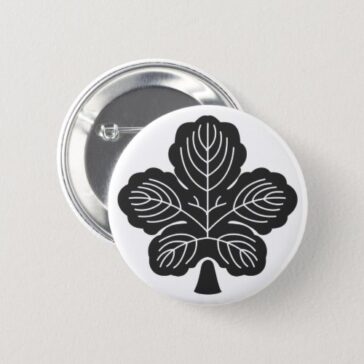
[Blagues familiales] Bouton à épingle feuille de Kaji
|

Kaji leaf for Kamon. Nature plants symbol and graphics at old age for Japanese family. note. Kaji leaf: In the olden days, at the Tanabata Festival, there was a custom of writing poetry on seven Kaji leaves and praying for the improvement of entertainment and the achievement of love. [Family Crests] Kaji leaf Pinback … Read More

[Hiragana] Serviette de joyeux anniversaire
|

[Hiragana] joyeux anniversaire Serviette Japonais dit o-ta-n-jo-bi-o-me-de-to-u.

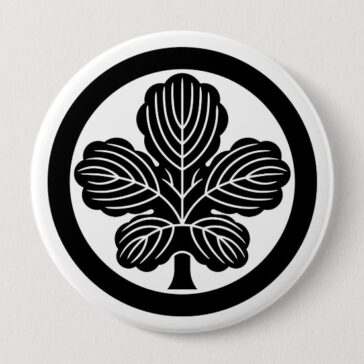
[Blagues familiales] Feuille de Kaji avec cercle Bouton rond
|

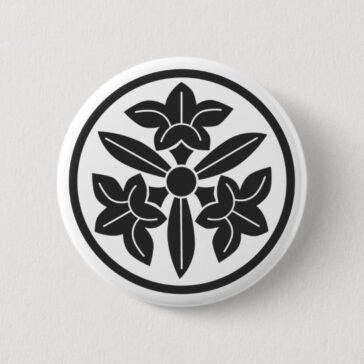
Kaji leaf for Kamon. This family crest features a circle drawn around a pattern of kaji leaves. Kaji trees are considered sacred because their leaves are used as vessels for offerings before the gods, and they eventually came to be used as divine crests. It can be found by clicking the button below. The … Read More

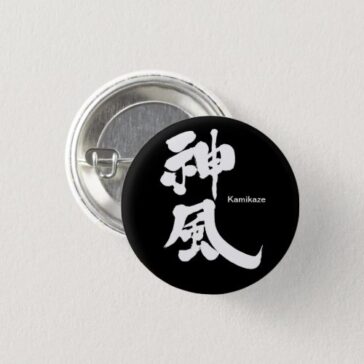
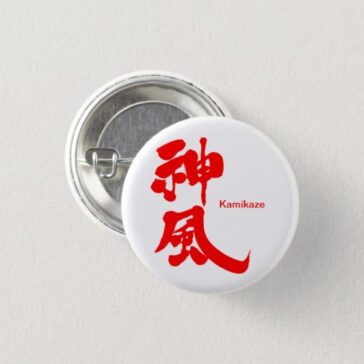
[Kanji] Kamikaze (white letters) Classic Round Button
|

[Kanji] Kamikaze (white letters) Classic Round Button 1 The wind that is blown by the virtues of God. 2 A Japanese pilot corps that suicide bombed an enemy ship during World War II. Also says “Kamu-kaze”.

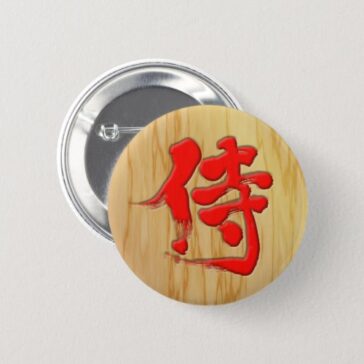
[Kanji] Samurai signboard style Pinback Button
|

[Kanji] Samurai signboard style 2 Inch Round Button Japanese signboard style. A Japanese warrior. Now there are no samurais in japan. But Japanese has chivalrous spirit like a Samurai.

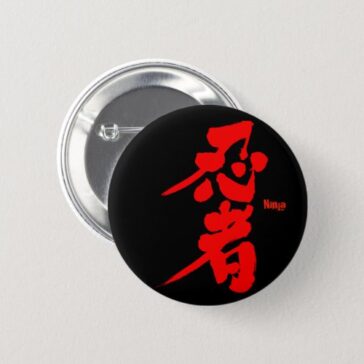
[Kanji] Ninja en caractères rouges Bouton
|

Those who used ninjutsu to infiltrate enemy territory and engaged in intelligence (spy) activities such as spying and disturbance. In particular, the Iga and Koka ninja organizations that were active mainly during the Warring States period are famous. However, the existence of a ninja is not well known because it was hidden in the … Read More

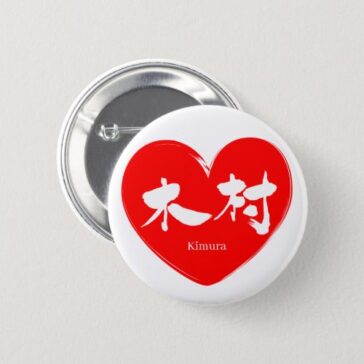
[Kanji] Bouton Kimura
|

[Kanji] Bouton Kimura. L'étymologie est que le village se distingue par « arbre ». C'est un prénom populaire au Japon.

[Blagues familiales] Fleurs de pivoine avec bouton rond en cercle
|

Une pivoine entourée d'un cercle (Kamon). Blason familial (Kamon) : symbole et graphisme anciens. [Blason familial] Pivoines entourées d'un cercle (Bouton rond)

[Blagues familiales] Bouton à épingle représentant une glycine tombante
|

Ce blason familial représente une forme arrondie formée de grappes de glycine pendantes, utilisé par le clan Fujiwara. C'est le motif le plus courant parmi les blasons à motif de glycine. Vous pouvez le découvrir en cliquant sur le bouton ci-dessous. Le blason blanc est masqué. Cliquez sur le bouton « Modifier ce motif » pour afficher le blason blanc… Lire la suite

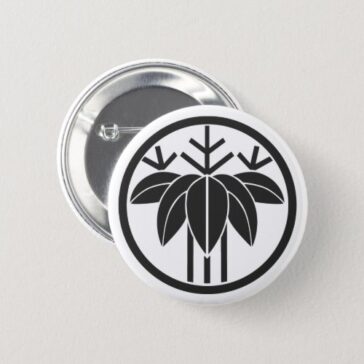
[Blagues familiales] Bouton à épingle en forme de feuille de bambou avec cercle
|

Bamboo laves inside a circle for Kamon. Nature plants symbol and graphics at old age for Japanese family. note. Bamboo and bamboo grass have been regarded as sacred plants since the time of the gods. Bamboo leaves with circle Button Click the button below to view the inverted black-and-white version of this family crest. … Read More

[Kanji] Love Round Buttons
|

[Kanji] Love Round Buttons Japanese says Ai. Hand-writing love in Japanese Kanji.

[Kanji] Kamikaze Classic Round Button
|

1 The wind that is blown by the virtues of God. 2 A Japanese pilot corps that suicide bombed an enemy ship during World War II. Also Japanese says “Kamu-kaze”. [Kanji] Kamikaze Classic Round Button

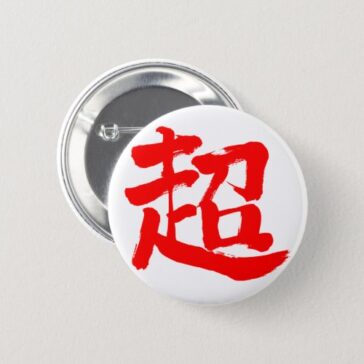
[Kanji] extreme Round Button
|

It is preceded by a noun to indicate that it is more than that and that it deviates further. [Kanji] extreme Round Button

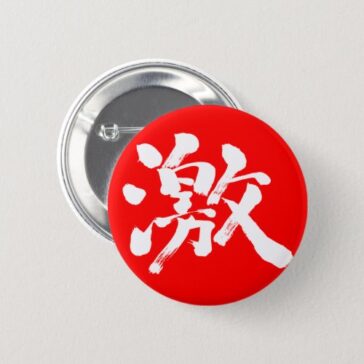
[Kanji] extremely (very, much) white letter Button
|

[Kanji] extremely (very, much) white letter Button Japanese says “Geki”. It is mean very or much include strength.

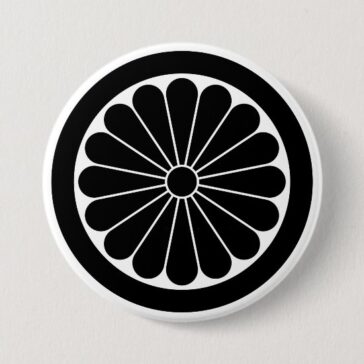
[Blagues familiales] Chrysanthème à 16 pétales avec bouton circulaire
|

Chrysanthème à seize pétales avec bouton circulaire. Ce blason familial représente un chrysanthème à seize pétales entouré de lignes d'épaisseur standard. Ce blason était à l'origine un emblème octroyé par la Maison impériale. Vous pouvez le découvrir en cliquant sur le bouton ci-dessus. Le blason familial blanc est masqué. Cliquez sur le bouton « Modifier ce motif »… Lire la suite

[Kanji] Panneau de samouraï style doré Bouton rond de 5 cm
|

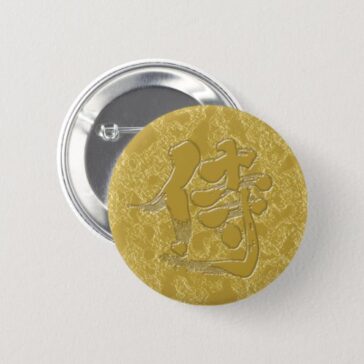
[Kanji] Samurai signboard Gold style 2 Inch Circle Button Now there are no samurais in japan. But Japanese has chivalrous spirit like a Samurai.

[Kanji] Samurai signboard style with black letter Circle Buttons
|

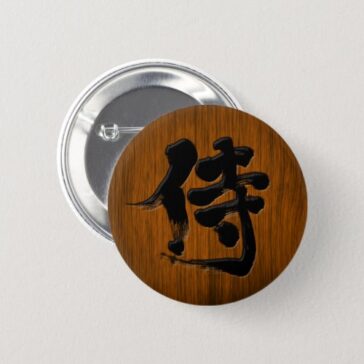
[Kanji] Samurai signboard style 2 Inch Round Button Japanese signboard style A Japanese warrior.

[Family Crests] 3 hollyhocks end alignment Round Button
|

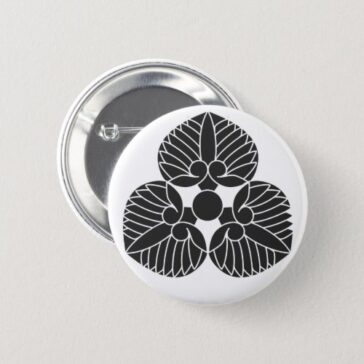
[Family Crests] 3 hollyhocks end alignment Round Button 3 hollyhocks end alignment for Kamon. Nature plants symbol and graphics at old age for Japanese family. note. A crest with the motif of the leaves of a plant called Aoi(Hollyhock). The Aoi used at Kamo Shrine has been treated as a sacred plant.

[Blagues familiales] Un cercle dans 3 boutons de chrysanthèmes
|

Symboles et graphismes floraux anciens. Trois chrysanthèmes entourés d'un cercle. Blason familial (Kamon). [Blason familial] Bouton rond à 3 chrysanthèmes. Nom de famille auquel ce blason est associé : Famille impériale, Kusunoki, Minase, Nakamura, Naniwa, Shitara, Utsugi, Wada, Yakushiji, etc. Remarque : Même si le nom de famille est identique… Lire la suite

[Family Crests] Hugging rice ear Round Button
|

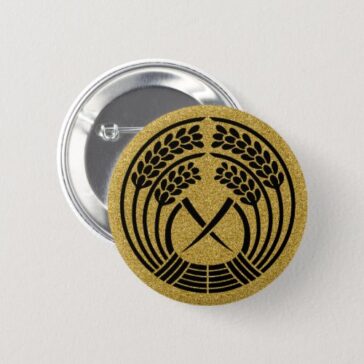
[Family Crests] Hugging rice ear Round Button Hugging rice ear for Kamon. Nature plants symbol and graphics at old age for Japanese family. note. Since rice is the most familiar plant to Japanese people, it was used as a motif for decoration and patterns in addition to crests. When preparing for the god, rice … Read More

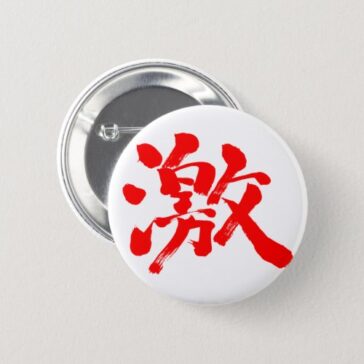
[Kanji] extremely (very, much) red letter Pinback Button
|

[Kanji] extremely (very, much) red letter Pinback Button Japanese says “Geki”. It is mean very or much include strength.

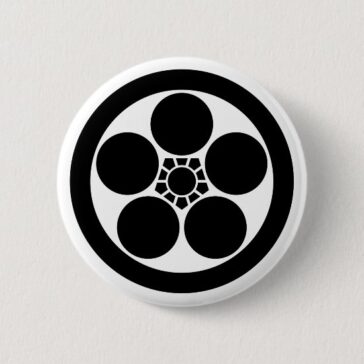
[Family Crests] Plum blossom (Umebachi) with circle Buttons
|

This design features a pattern of circles arranged in five directions, interpreted as plum blossom petals, known as “Umebachi.” The family crest features a standard-thickness line surrounding this “Umebachi” motif. It can be found by clicking the button below. The white family crest is hidden. Click the “Edit this design” button to display the … Read More

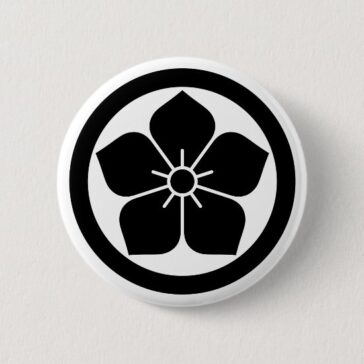
[Blagues familiales] Bouton à épingle Kikyo Fleur dans un cercle
|

This family crest features the ‘Kikyo crest’ (bellflower crest) at its center, surrounded by a circle of standard thickness. It can be found by clicking the button below. The white family crest is hidden. Click the “Edit this design” button to display the white crest, hide the black crest, and change the background color. … Read More

[Family Crests] 3 Kikyo Flowers & leaves with Round Button
|

Flowers symbol and graphics at old age. Three Kikyo with circle Kamon. note. Kikyo (ballon flower) is Seven herbs of autumn. In the olden days, one flower of bellflower was dedicated to the gods and Buddhas to forge the good and bad. The pronunciation of Kikkyo may have changed to Kikyo. [Family Crests] 3 … Read More

[Blagues familiales] Bouton en forme de fleur de glycine arrondie
|

Armoirie Kamon à fleur de glycine arrondie. Cet blason familial est rarement utilisé seul ; il sert d'emblème décoratif, destiné à être placé au centre pour y intégrer un motif ou un dessin permettant de distinguer les lignées familiales. [Armoiries] Bouton Fleur de glycine arrondie. Cliquez sur le bouton ci-dessous pour voir la version inversée en noir et blanc de cet emblème… Lire la suite

[Blagues familiales] Bouton classique Mitsudomoe à rotation droite
|

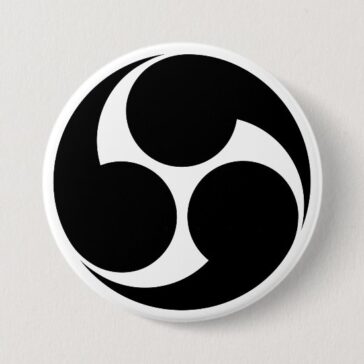
Il s'agit d'un « Mitudoomoe » (triple tomoe) tournant dans le sens horaire. Traditionnellement, le sens horaire est représenté par une rotation vers la droite. Le Mitudoomoe standard est présenté ici. Vous pouvez le consulter en cliquant sur le bouton ci-dessous. Le blason familial blanc est masqué. Cliquez sur le bouton « Modifier ce motif » pour afficher le blason blanc, masquer le blason noir, et… Lire la suite

[Blagues familiales] Bouton à épingle représentant un épi de riz enlacé
|

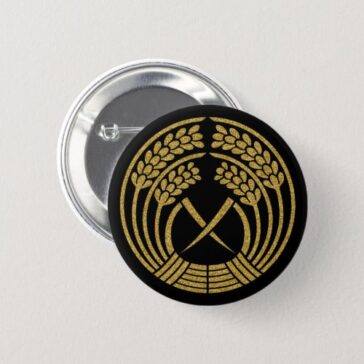
Épi de riz enlacé pour Kamon. Symbole et représentation de la nature et des plantes lors de la vieillesse dans la famille japonaise. Inversion négative-positive. Remarque : Le riz étant la plante la plus familière aux Japonais, il était utilisé comme motif décoratif, notamment pour les blasons. Lors des offrandes au dieu, le riz est emballé en bottes… Lire la suite

[Blagues familiales] Boutons décorés de fleurs de prunier
|

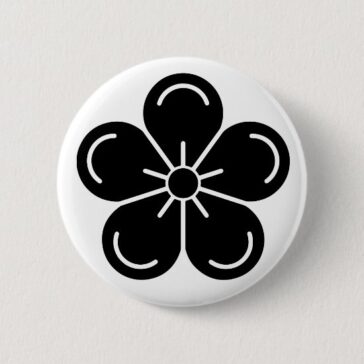
This family crest features lines drawn along the outer edge of the petals of the ‘Plum Blossom Crest’. It can be found by clicking the button below. The white family crest is hidden. Click the “Edit this design” button to display the white crest, hide the black crest, and change the background color. Decorated … Read More

1 2 3 4 5