

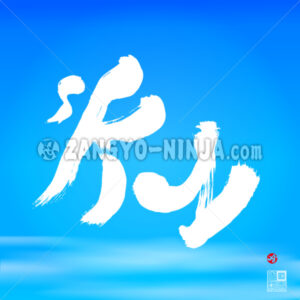
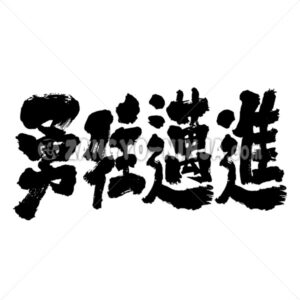
Il s'agit d'une expression japonaise typique d'encouragement. Elle signifie avancer avec audace et détermination, c'est-à-dire progresser avec conviction et sans hésitation vers son objectif. « 勇往 » (yūō) signifie avancer sans hésitation. « 邁進 » (maishin) signifie avancer rapidement et sans peur. En japonais, des significations similaires sont parfois exprimées en combinant différents kanji (ou…). Lire la suite
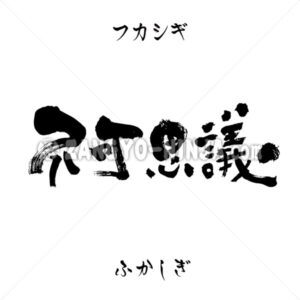
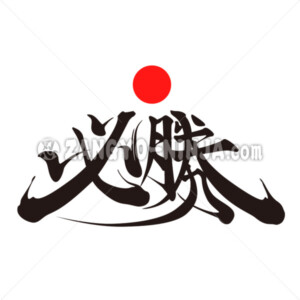
This is a term that has become commonplace from the world of Shogi (Japanese chess) It refers to a situation where the outcome of a game is already decided in favor of one side. It is often used in the late stages of a game when one side has gained a significant advantage in … Read More
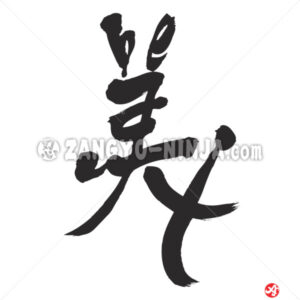
Il s'agit d'une œuvre où le mot japonais « 美し » et son synonyme « beauté » sont écrits en anglais. L'écriture, mêlant anglais et japonais, repose sur la bicalligraphie. « 美し » est une abréviation, prononcée « Utsuku-shi » en japonais. On le trouve également sous la forme « Utsuku-shi(美し) » dans les classiques japonais. La nuance est subtile… Lire la suite
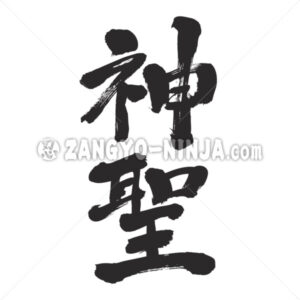
Description du houx : Une chose précieuse et amusante. Il doit être propre et sans défaut. En particulier, en tant qu'objet de religion et de croyance, il possède une valeur particulière et précieuse qui doit être traitée différemment des affaires et des objets du quotidien.
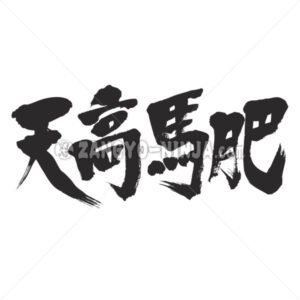
Description for That refreshing and pleasant climate of fall as four-letter idioms In autumn, the sky is clear and the weather is pleasant, which means that appetite increases and horses grow fatter. When a migratory high pressure system that grows on the continent gently covers the vicinity of Japan, dry and refreshing air spreads. … Read More
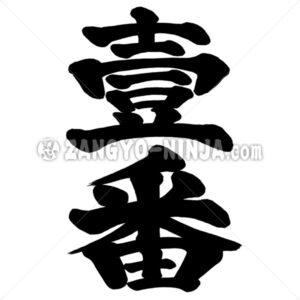
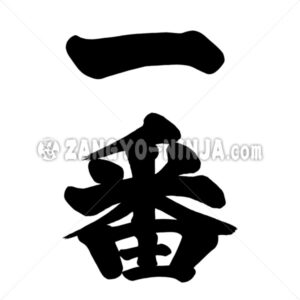
The top in Japanese has various ways of writing it, and this is one example. The beginning of the order and the top of the order. It is also used to mean the most. The first or highest in order or sequence. The meaning of the first element in the series that can be … Read More
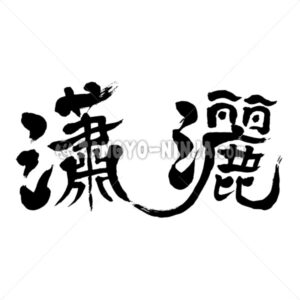
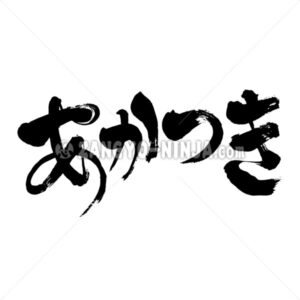
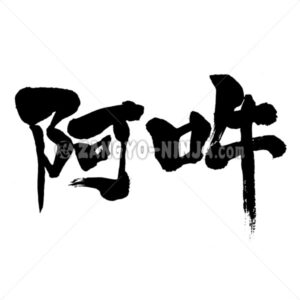
Le début et la fin de toute chose. Alpha et oméga. De A à Z. En japonais, on dit « A un ». La première lettre de l'hiragana japonais est A (あ) et la dernière Nn (ん) correspond à un kanji. C'est un mot ancien.
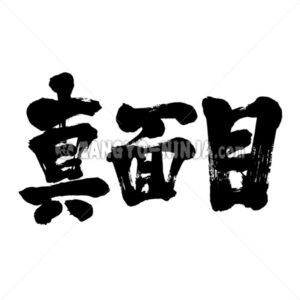
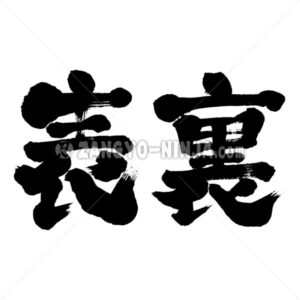
1. The front and back of an object. The outside and inside of the matter. Also, it must be in a front-to-back relationship. Positions and positions conflict with each other. 2. There is a difference between the outside and the inside. The difference between what you say and do in public and what you … Read More
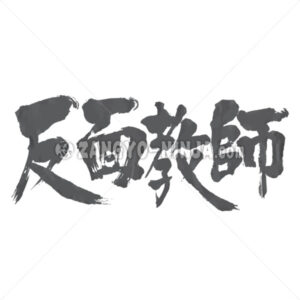
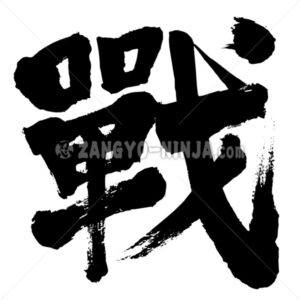
1. Fight with a weapon. 2. competition. It’s about to win or lose. It is a Kanji that old Japanese were using. With transliteration in Katakana that you can custom letter. Japanese says Ikusa.
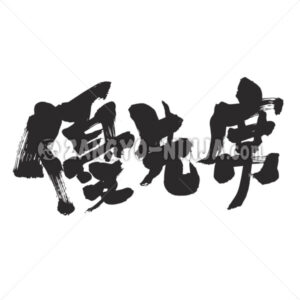
It is a seat that gives priority to or encourages the elderly, disabled, poorly ill, pregnant women, and families with infants (including strollers) installed in railroad cars and buses. Japanese says “yu sen seki”.
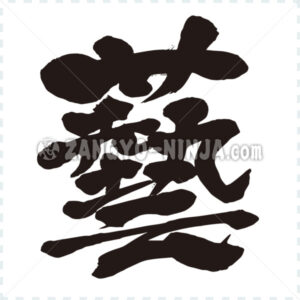
Special skills and techniques acquired through training, such as learning, martial arts, and traditional performing arts. A special move performed in public. Performing arts, acrobatics, etc. Japanese said “Gei” as old kanji letter.
An unsatisfactory sigh when you are in very troubled or extremely painful. It also refers to the state at such time. When you have a lot of hard work and hard work, you are exhausted from your body and mind, and you have a hard time breathing. Japan call “Ai iro to iki”.
1. It is very common. Be normal. 2. To communicate widely or to the public. Also common to all things within a certain range, with no exceptions. Japan call “Fu tu”.
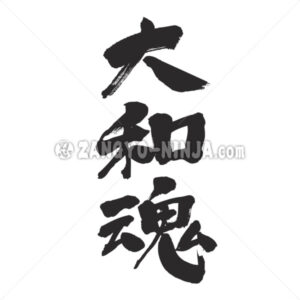
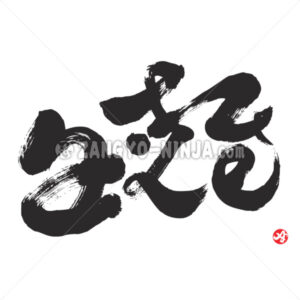
1. This refers to the ability and wisdom to handle Japanese business practices and current affairs for the knowledge gained from studying Han studies. 2. A spirit unique to the Japanese people, used in national ideology since the early modern times. Japanese consciousness. Japan says “Yamato Damashii”.
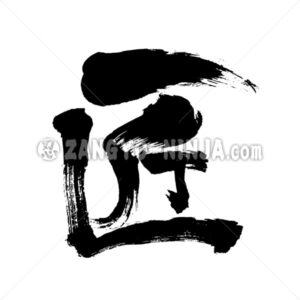
Description for Artisan A person whose job is to create works and buildings using hand techniques and tools. Techniques applied to workpieces and buildings. design. Preference. Technique to create beautiful things. The method that it found through thinking. In Japanese, it’s said Takumi.