
Fête des récoltes. Bétail transportant le sanctuaire portatif - Zangyo-Ninja

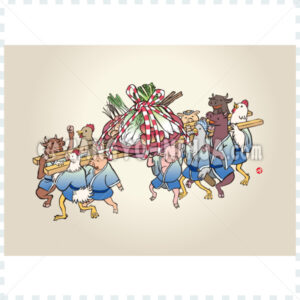
Voici le deuxième type d'illustration, dessinée à la main. Le premier type est ici. Elle symbolise une fête de la fertilité. Au Japon, les fêtes locales sont fréquentes, principalement en automne. Cette fête célèbre les bonnes récoltes et a donc lieu pendant la saison de la récolte du riz… Lire la suite

vecteur
non évalué $0.00$1,490.00 Sélectionner la licence
Chameau en Kanji, Katakana et Hiragana - Zangyo-Ninja

Terme générique désignant les mammifères du genre Camelus, appartenant à la famille des camélidés. Ils mesurent plus de deux mètres de haut. Ils possèdent un long cou et de longues pattes, et sont dépourvus de cornes. Ils présentent une bosse sur le dos où ils stockent des graisses pour faire face aux périodes de disette. Leurs narines s'ouvrent et se ferment librement, et leurs pieds sont souples… Lire la suite
vecteur
non évalué $0.00$1,490.00 Sélectionner la licence
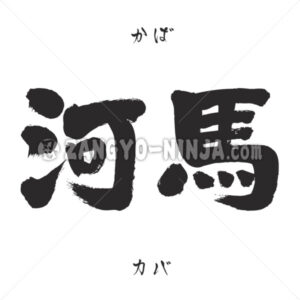
Hippopotamus in Kanji, Katakana and Hiragana - Zangyo-Ninja

Description for Hippopotamus The second-largest land mammal after the elephant. Once inhabited rivers throughout Africa, but by the late 20th century, it had nearly become extinct north of Khartoum in Sudan and south of the Zambezi River, except for a few reserves like Kruger National Park. Adult males reach a body length of 4.2 … Read More

vecteur
non évalué $0.00$1,490.00 Sélectionner la licence
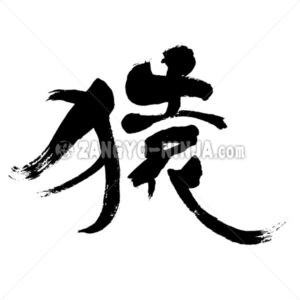
singe en Kanji - Zangyo-Ninja

A generic name for all mammals in the order Primates, excluding the hominids. In zoology, it is the generic term for all primates. They are the second most advanced animals after humans, and many of them are highly intelligent with a well-developed cerebrum, vision (including color vision), and hearing. They have a bare face, … Read More

vecteur
non évalué $0.00$1,490.00 Sélectionner la licence
Papillon machaon en Kanji - Zangyo-Ninja

Description du papillon machaon : Le terme « machaon » désigne de manière générale les papillons appartenant à la famille des Papilionidae. En japonais, on l'appelle « Agehacho ». Ce nom vient du fait que le machaon vole librement et semble flotter dans le ciel. Écologie du papillon : Les machaons adultes sont souvent observés… Lire la suite

vecteur
non évalué $0.00$1,490.00 Sélectionner la licence
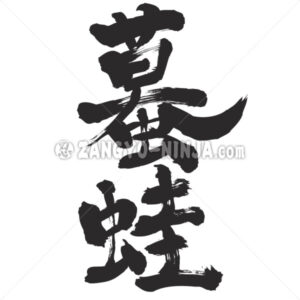
crapaud en Kanji - Zangyo-Ninja

Description du crapaud : Nom générique désignant les grenouilles appartenant à la classe des Anoures, ordre des Crapauds, famille des Crapauds. Également appelés gama. L'espèce la plus répandue au monde est le genre Bufo, qui compte environ 180 espèces à travers le monde, Australie exclue. Ce sont généralement des grenouilles de grande taille, à la peau épaisse et sèche. Leur tête est volumineuse et possède une paire… Lire la suite

vecteur
non évalué $0.00$1,490.00 Sélectionner la licence
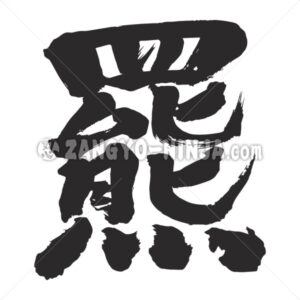
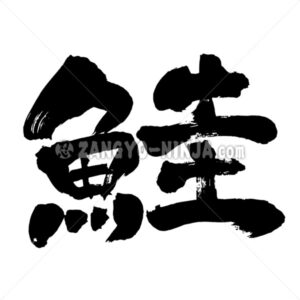
Ce climat automnal rafraîchissant et agréable à Kanji - Zangyo-Ninja

Description for That refreshing and pleasant climate of fall as four-letter idioms In autumn, the sky is clear and the weather is pleasant, which means that appetite increases and horses grow fatter. When a migratory high pressure system that grows on the continent gently covers the vicinity of Japan, dry and refreshing air spreads. … Read More
vecteur
non évalué $0.00$1,490.00 Sélectionner la licence
Ours brun en Kanji - Zangyo-Ninja

Description for Brown bear as animals Widely distributed from Europe to Siberia, across the Bering Sea to North America. In Europe, it is isolated only in a few places, such as the Pyrenees and the Italian peninsula. It is a huge bear, and its fur color ranges from tan to almost black. The shoulders … Read More

vecteur
non évalué $0.00$1,490.00 Sélectionner la licence
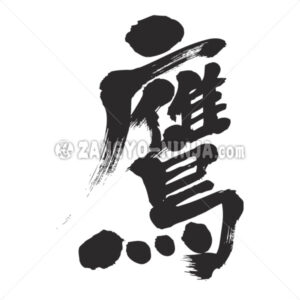
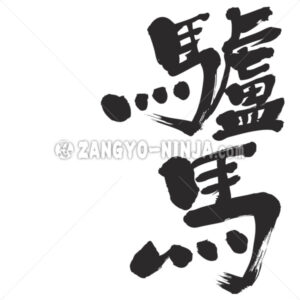
saumon en Kanji - Zangyo-Ninja

Salmonid fish. It reaches a total length of about 1 meter. The body is a slightly elongated spindle shape. There is a greasy fin. The body color is blue-gray on the back and silvery white on the abdomen, but during the breeding season, the dorsal and lateral parts of the body turn dark green-brown, … Read More
vecteur
non évalué $0.00$1,490.00 Sélectionner la licence
faucon en Kanji - Zangyo-Ninja

A general term for small and medium-sized species of the order Accipitriformes and Falconiformes. Larger ones are distinguished as eagles, but there are no clear boundaries. It is generally a diurnal bird of prey with a sharp beak and sharp toenails. The staple food differs slightly depending on the species or body size, but … Read More

vecteur
non évalué $0.00$1,490.00 Sélectionner la licence
donkey in Kanji - Zangyo-Ninja

1.domestic beast of burden descended from the African wild ass. 2.the symbol of the Democratic Party. Japanese said “Ro-Ba”.
vecteur
non évalué $0.00$1,490.00 Sélectionner la licence

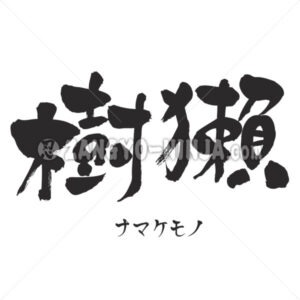
Description des paresseux (Mammalia Edentata) : Terme générique désignant les animaux appartenant à la famille des paresseux. Cette famille, les Bradypodidae, comprend 5 espèces réparties en 2 genres. Ces animaux vivent principalement dans les arbres des forêts denses d'Amérique du Sud et se nourrissent de feuilles et de fleurs. Leur corps mesure de 50 à 64 cm de long et ils n'ont pas de queue, ou celle-ci est très courte. … Lire la suite

vecteur
non évalué $0.00$1,490.00 Sélectionner la licence
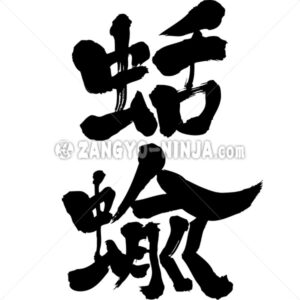
slugs in Kanji - Zangyo-Ninja

Like snails, terrestrial shellfish. It has lungs and is capable of air breathing. Shellfish are degenerated but definite shellfish. Eating habits vary considerably, from those that eat plant-based foods to those that attack other slugs and earthworms, and those that catch carcasses of animals. Japanese says “Na me ku ji”.

non évalué $0.00$1,490.00 Sélectionner la licence
dragon in Kanji - Zangyo-Ninja

1. any of several small tropical Asian lizards capable of gliding by spreading winglike membranes on each side of the body. 2. a creature of Teutonic mythology. This calls Ryu in Japanese.

vecteur
non évalué $0.00$1,490.00 Sélectionner la licence
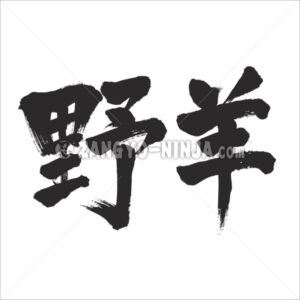
goat in Kanji - Zangyo-Ninja

Bovid mammals. Livestock are domesticated goats that live in rocky mountains in West Asia. Similar to sheep, but with long necks and many males and females with horns, males have long-haired tufts on their chin. Generally, the properties are in warm order and form a flock. You can eat foliage and keep it even … Read More

vecteur
non évalué $0.00$1,490.00 Sélectionner la licence
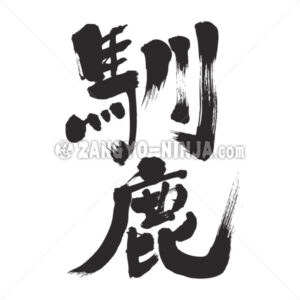
Reindeer in Kanji - Zangyo-Ninja

An animal of the order Artiodactyla of the order Honyu. Medium to large deer. Normally, only males are horned in deer, but one of the major characteristics of this species is that females also have horns. Habitats include Eurasia and the northern part of North America, of which North American ones are customarily called … Read More

vecteur
non évalué $0.00$1,490.00 Sélectionner la licence

A type of turtle that lives in rivers, lakes, and swamps. It inhabits rivers throughout Japan, except Hokkaido, the Korean Peninsula, China, and the eastern Indochina Peninsula. It has a soft, flat shell about 20-40cm in length. The edible history is old, and it is said that there was even a government office that … Read More

vecteur
non évalué $0.00$1,490.00 Sélectionner la licence
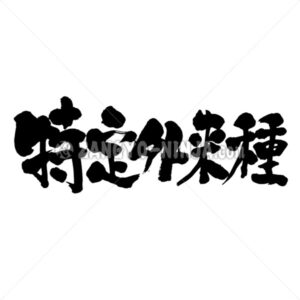
certain alien species in Kanji - Zangyo-Ninja

It is designated as an alien species of overseas origin that damages or may cause damage to the ecosystem, human life / body, agriculture, forestry and fisheries. Specific exotic organisms are limited to living organisms, and include not only individuals but also eggs, seeds, and organs. Japan call “Toku tei gai rai shu”.

vecteur
non évalué $0.00$1,490.00 Sélectionner la licence
mammals in Kanji - Zangyo-Ninja

One of the most evolved vertebrates. There is a name for suckling because a female secretes milk from the mammary gland and thereby raises a child. The body is covered with hair, sometimes with scales, and sweat and fat glands are developed. The limbs are usually well developed. Japan call “Ho nyu rui”.


vecteur
non évalué $0.00$1,490.00 Sélectionner la licence
monument naturel en Kanji - Zangyo-Ninja

Les animaux, les plantes et les minéraux géologiques d'importance scientifique, ainsi que leurs zones désignées pour la conservation et la préservation dans les régions où ils se trouvent, sont appelés « Ten nen ki nen butsu » au Japon.

vecteur
non évalué $0.00$1,490.00 Sélectionner la licence
llama in Kanji - Zangyo-Ninja

A kind of camelid. Shoulder height 1.2 meters Inside and outside. The neck is elongated with long ears and short tails. Body is brown, black, white, etc. Herbivorous. It is used to transport luggage in the highlands of the South American Andes. Meat is eaten. Japan call “Rya ma” and “ra ma”.

vecteur
non évalué $0.00$1,490.00 Sélectionner la licence
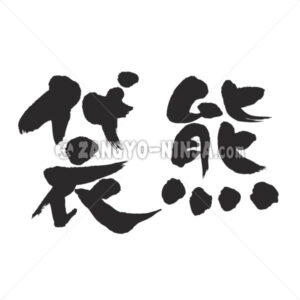
squirrel in Kanji - Zangyo-Ninja

In general, they have a slender body suitable for tree life, but some of them that live on the ground are fat because they are fat. The tail is long and covered with bushy hair. Many are diurnal and eat nuts. Japanese says “lis” and read “kuri nezumi” in this Kanji.

vecteur
non évalué $0.00$1,490.00 Sélectionner la licence
Koala in Kanji - Zangyo-Ninja

Australia-specific marsupials. The figure is like a baby bear and has almost no tail. Covered with whole wooly hair. Live on trees and act at night alone or in small groups. Eat only Eucalyptus leaves.

vecteur
non évalué $0.00$1,490.00 Sélectionner la licence
ocean sunfish in Kanji - Zangyo-Ninja

Mandock fish. Local names such as ukigi and quinumbo. It reaches 3m in total length. The body is side-folded, and the caudal fin is degenerated in folds and called the helm. Distributed in the warm waters of the world, swim with the sea in the back of the sea. Sometimes I lie down on … Read More


vecteur
non évalué $0.00$1,490.00 Sélectionner la licence
Crocodile in Kanji - Zangyo-Ninja

The crocodile is a reptile living in the waterfront. It is a generic name for reptiles that are carnivorous and adapted to underwater life. Also, crocodile meat is surprisingly light and delicious. In addition, in some areas of Hiroshima Prefecture, shark are called “crocodile”. Japanese says “Wani” as a Kanji character.

vecteur
non évalué $0.00$1,490.00 Sélectionner la licence
Mouche, Chrysomya rufifacies en Kanji - Zangyo-Ninja

On compte environ 3 000 espèces de mouches au Japon. Cet insecte, qui métabolise entièrement son organisme, atteint l'âge adulte environ deux semaines après l'éclosion de l'œuf. En japonais, on l'appelle « hae ».

vecteur
non évalué $0.00$1,490.00 Sélectionner la licence